Cité du Vin: architecture for wine culture
- Local name
- Cité du Vin
- Type
- Contemporary cultural centre and museum interpretation of wine
- Continent
- Europe
- Country
- France
- Region
- Bordeaux
- Regional subdivision
- Gironde; Bordeaux
- Historical record
- Opened to the public 1 June 2016; architects Anouk Legendre and Nicolas Desmazières, XTU
- Date
- April 2025
- Photographer
- Héctor Godes
- Published
- August 3, 2025
- Reviewed
- November 7, 2026
- Coordinates
- 44.8624, -0.5506
- More
- Wikipedia
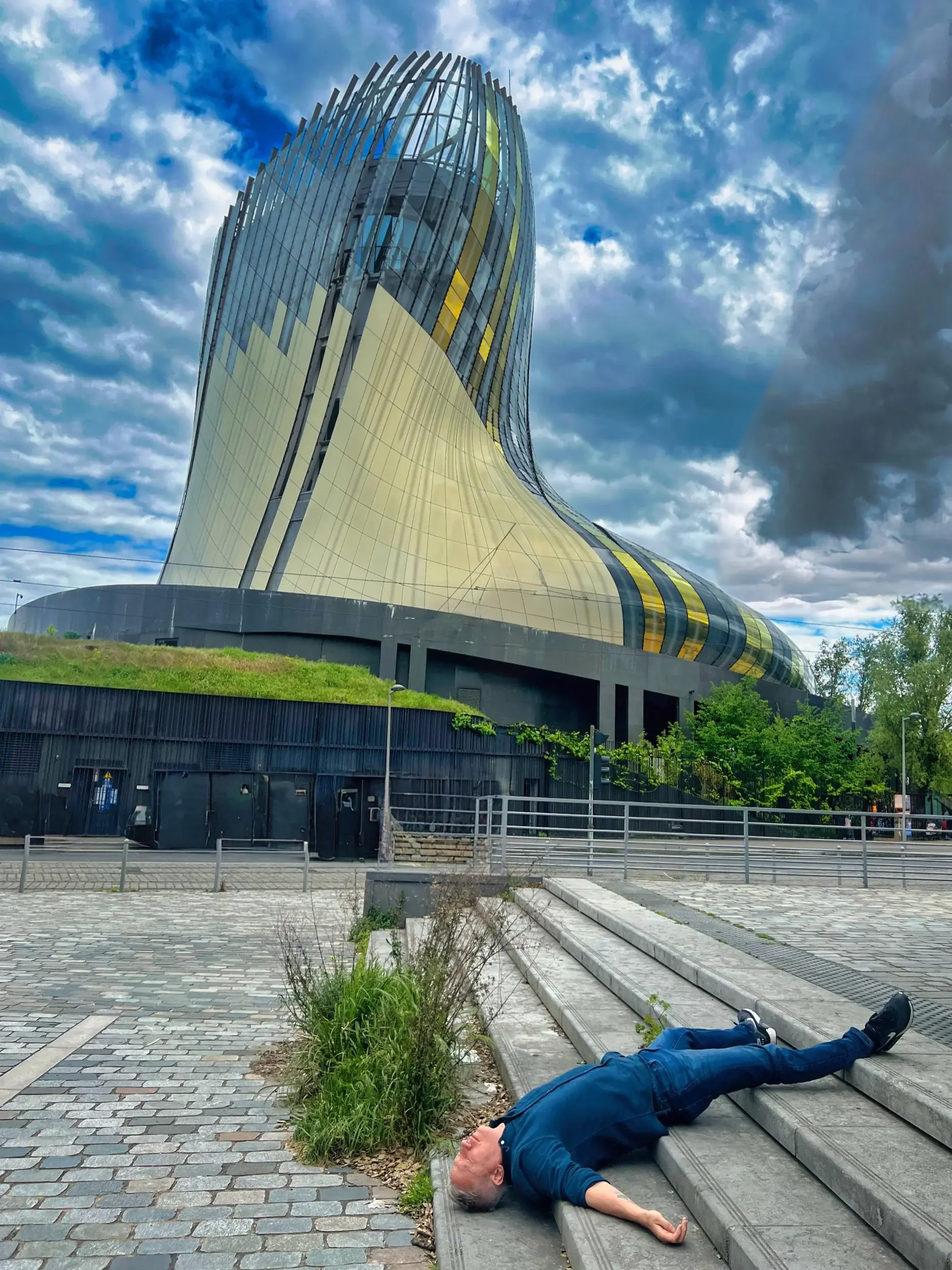
Beside the Garonne in Bordeaux, the Cité du Vin rises in a continuous curve. The building opened to the public on 1 June 2016. Anouk Legendre and Nicolas Desmazières of XTU designed the architecture; Casson Mann developed the exhibition design. These are complementary contributions to a cultural institution devoted to wine across societies and territories. S1S2S3
Form and river
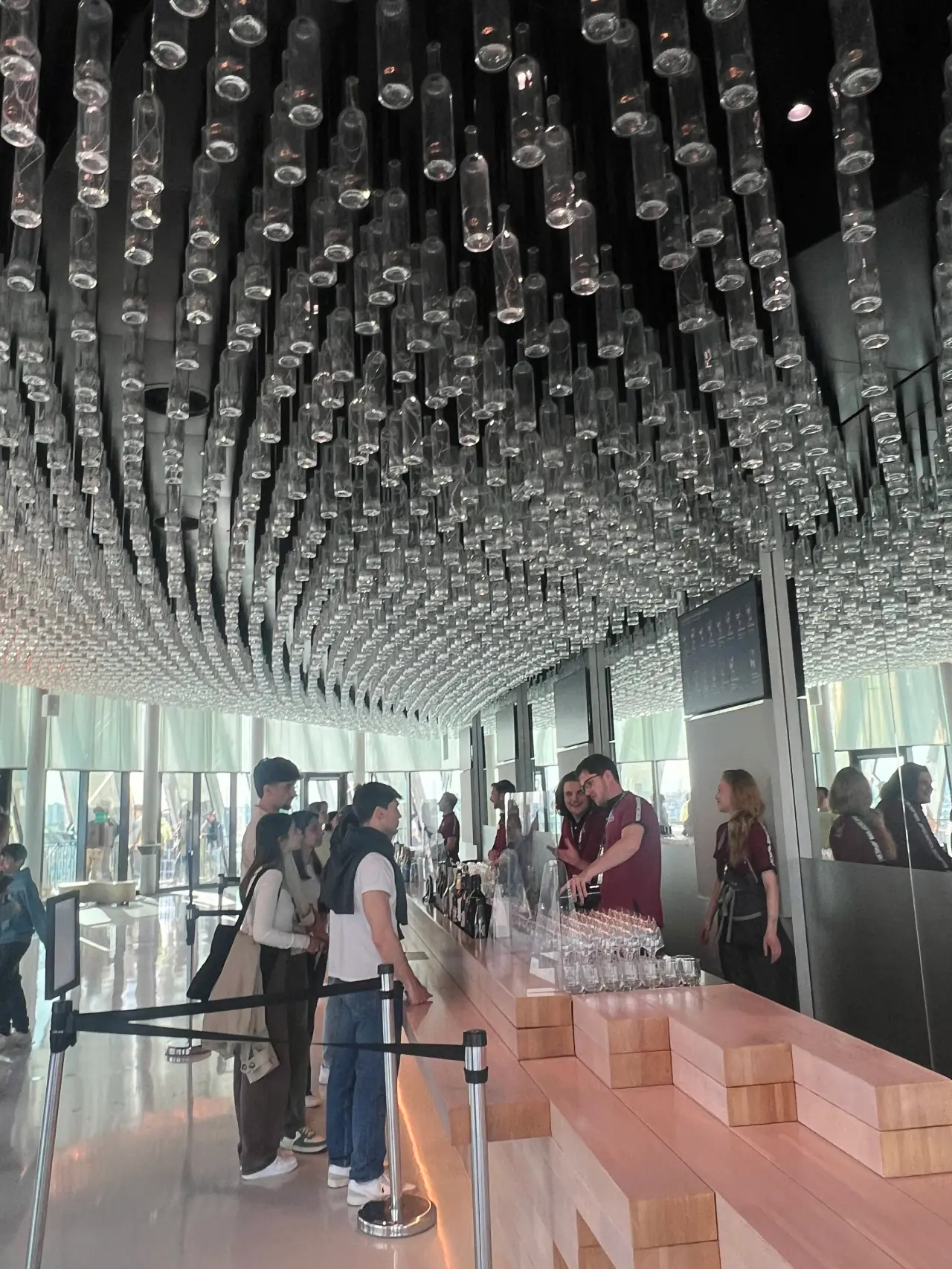
The architects evoke twisting vines, wine swirling in a glass and currents in the Garonne. These references share an idea of movement. The curved envelope connects the lower body with the taller volume, while changes in light alter its apparent continuity. S1
Its riverside position links the institution with Bordeaux’s history of exchange. Yet the subject extends beyond local wines, connecting landscapes, techniques and customs from different places.
Learning through the senses
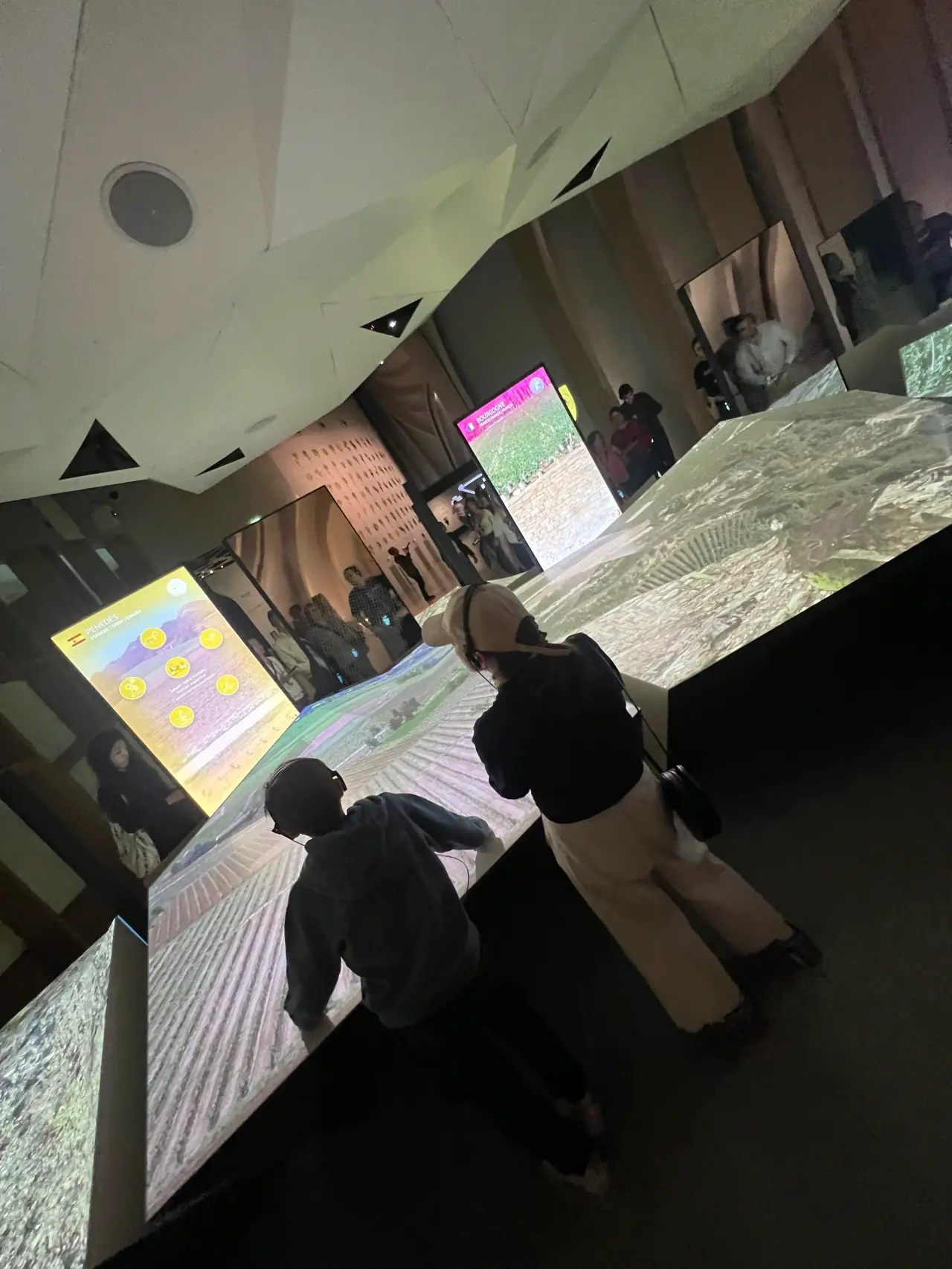
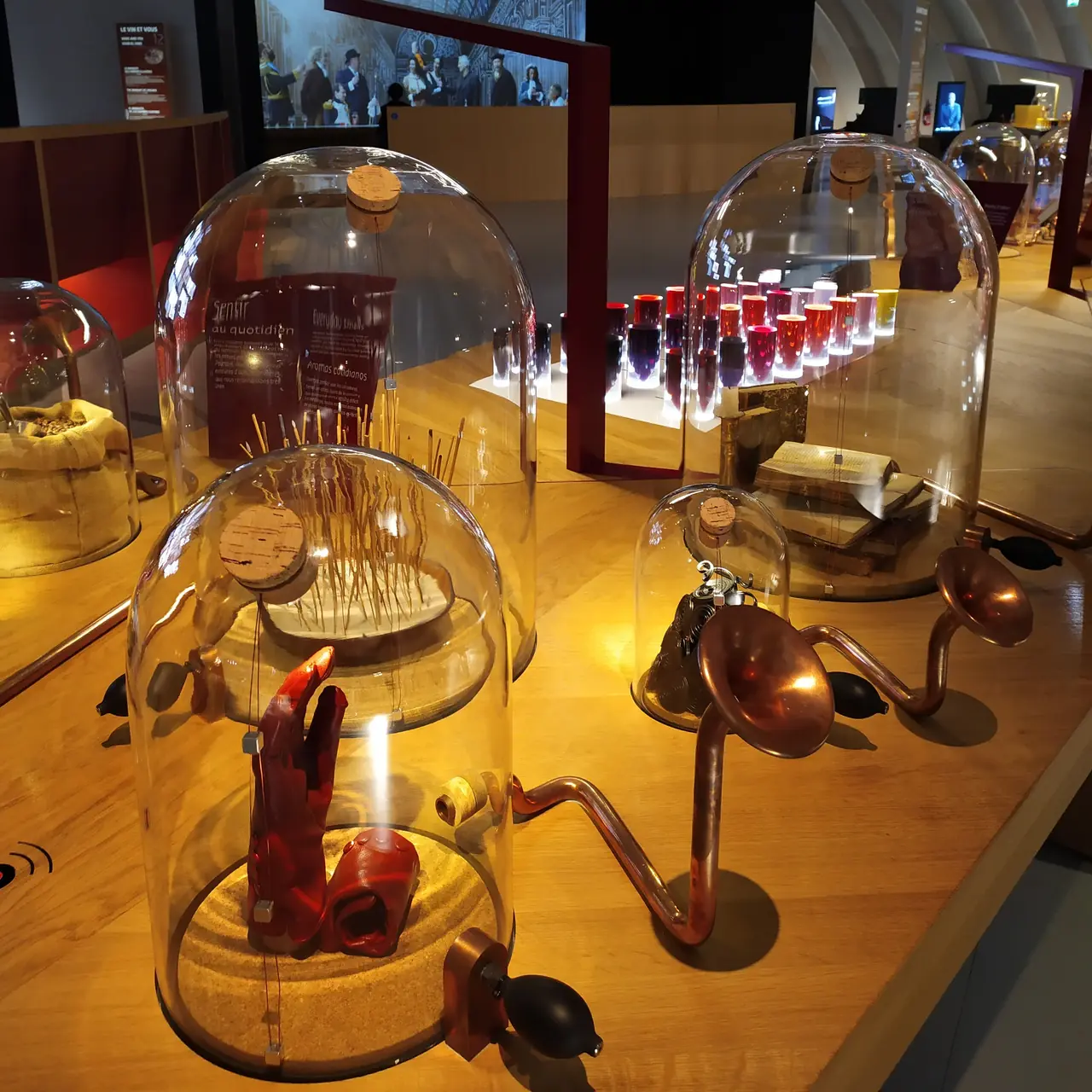
Wine involves smell, taste, colour and memory. Sensory devices allow comparison and interaction, giving physical form to a subject that cannot be communicated through labels alone. Shared tables and displays make room for discussion as well as individual discovery. S3
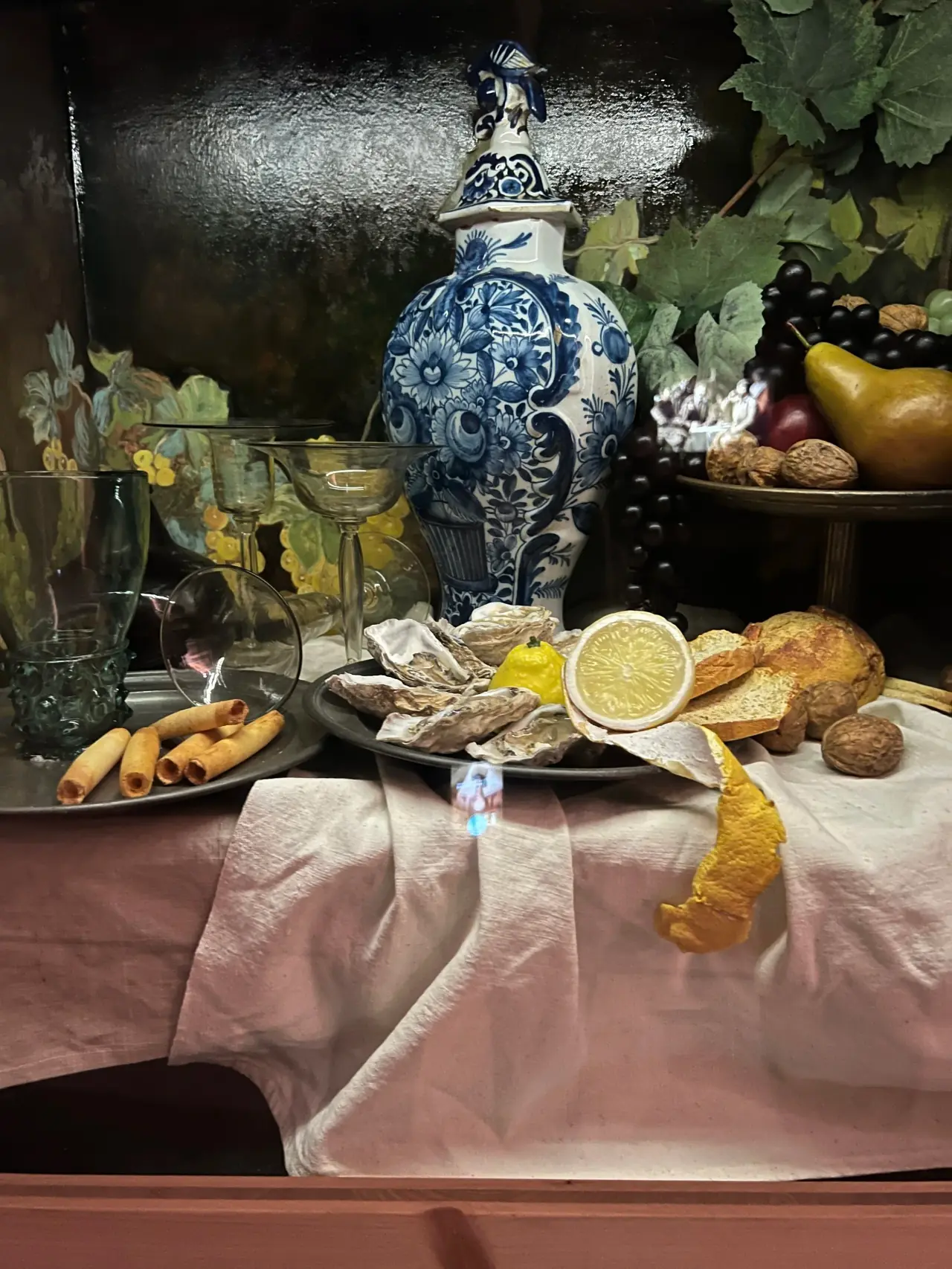
Bottles, vessels and images of food also place wine within domestic life and social ritual. Containers reveal how a product is stored, served and presented; their forms connect practical use with taste and distinction.
From vineyard to city
Wine culture brings together cultivated land, knowledge, labour, storage and trade. A finished vessel belongs to a longer chain of decisions about plants, materials and movement.
The building’s changing spaces connect these scales. Close encounters with exhibition devices contrast with brighter communal areas and views towards the city. Architecture and interpretation together turn wine into a subject of cultural enquiry.
Frequently asked questions
Who designed the building?
Is the subject limited to Bordeaux?
No. The institution addresses wine culture across different societies.
Is the museum individually UNESCO-listed?
No. Bordeaux, Port of the Moon, inscribed in 2007, is a separate historic urban property. S4
Sources
More in France