Kursaal: glass at the river mouth
- Local name
- Kursaal
- Type
- Contemporary auditorium and congress centre
- Continent
- Europe
- Country
- Spain
- Region
- Basque Country
- Regional subdivision
- Gipuzkoa; Donostia–San Sebastián
- Historical record
- Old Gran Kursaal 1922; Moneo selected 1990; works began 1995; official opening 23 August 1999
- Date
- November 2022
- Photographer
- Francesc Estévez
- Published
- August 3, 2025
- Reviewed
- November 7, 2026
- Coordinates
- 43.3243, -1.9783
- More
- Wikipedia
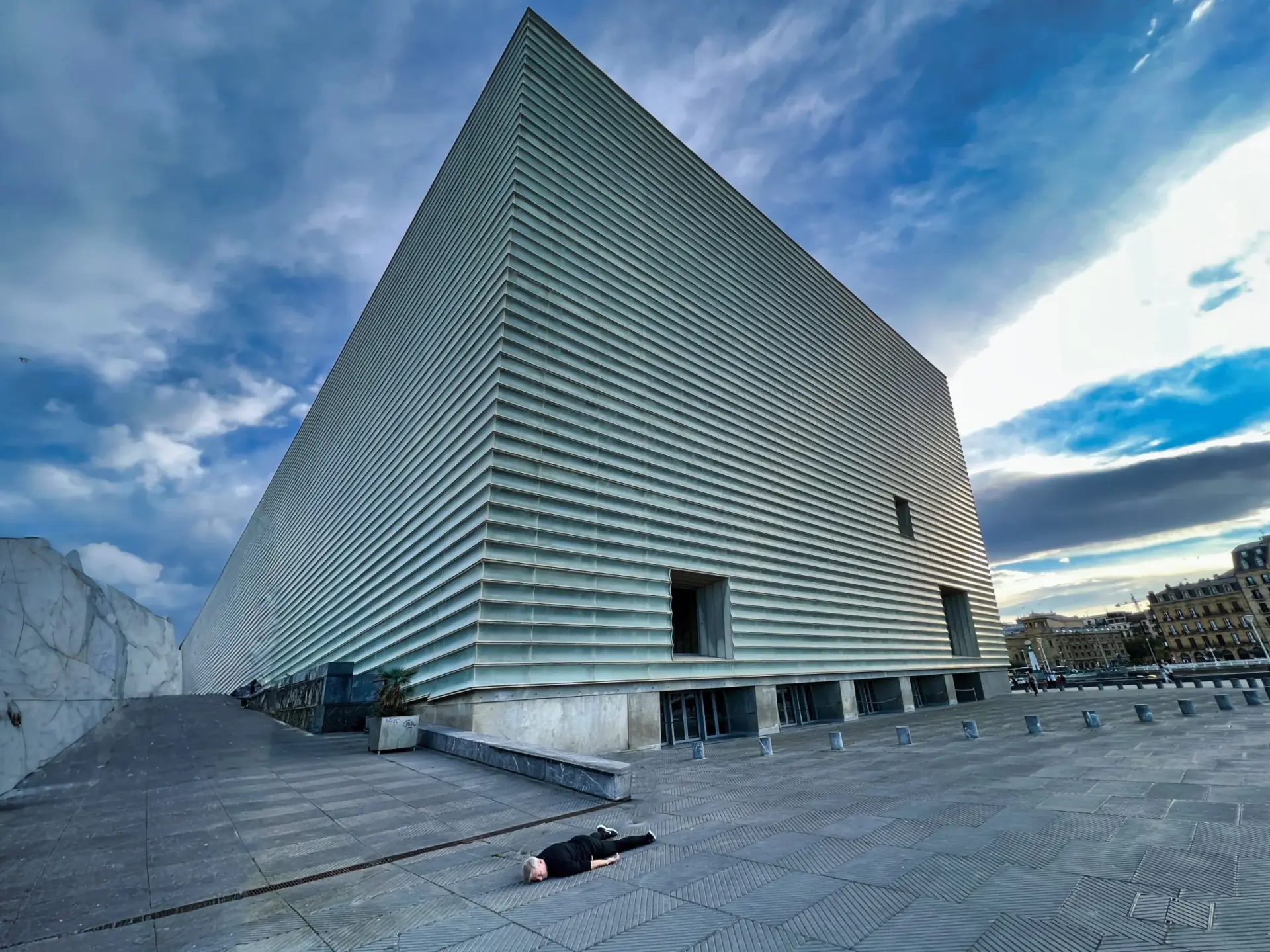
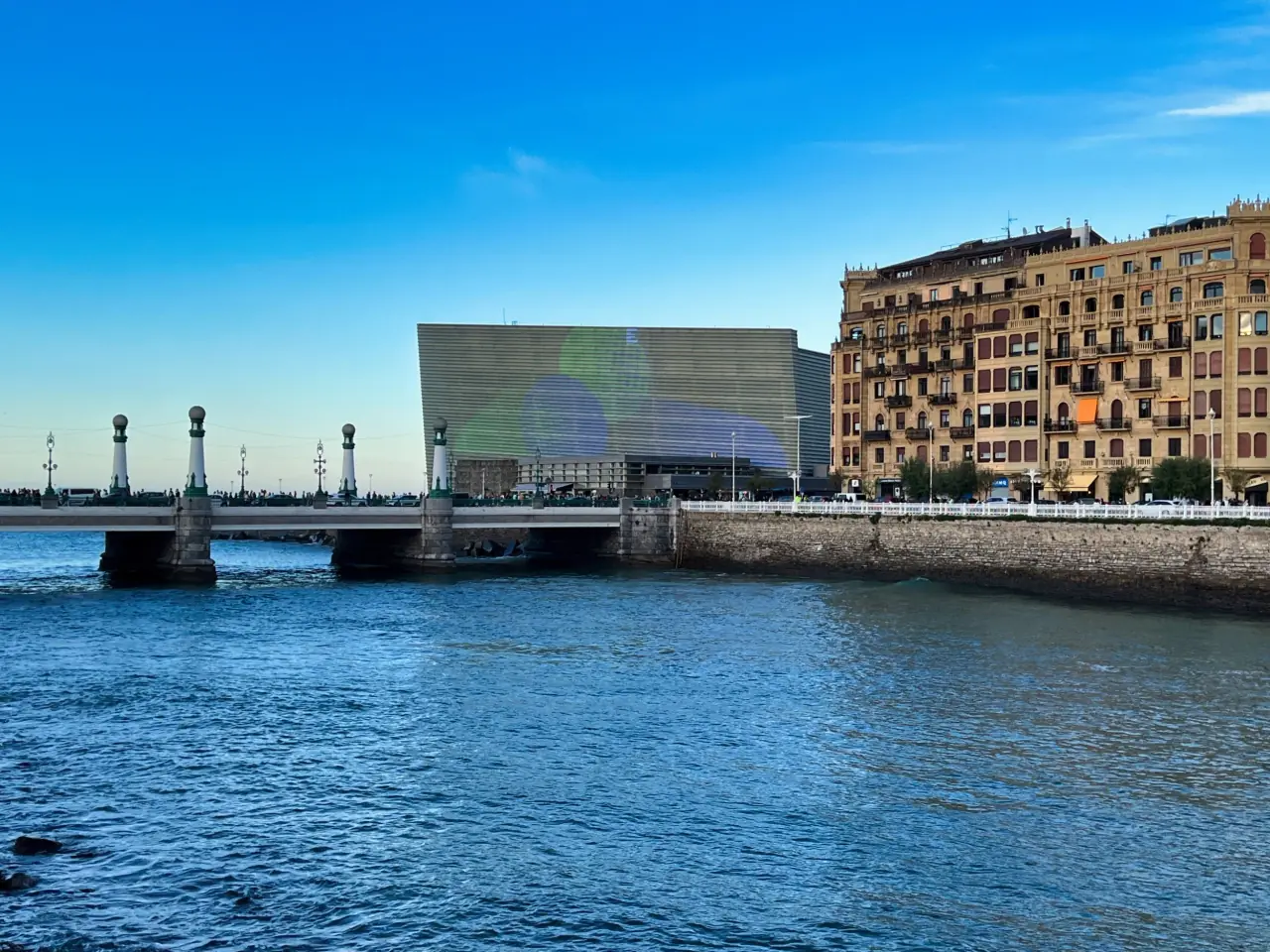
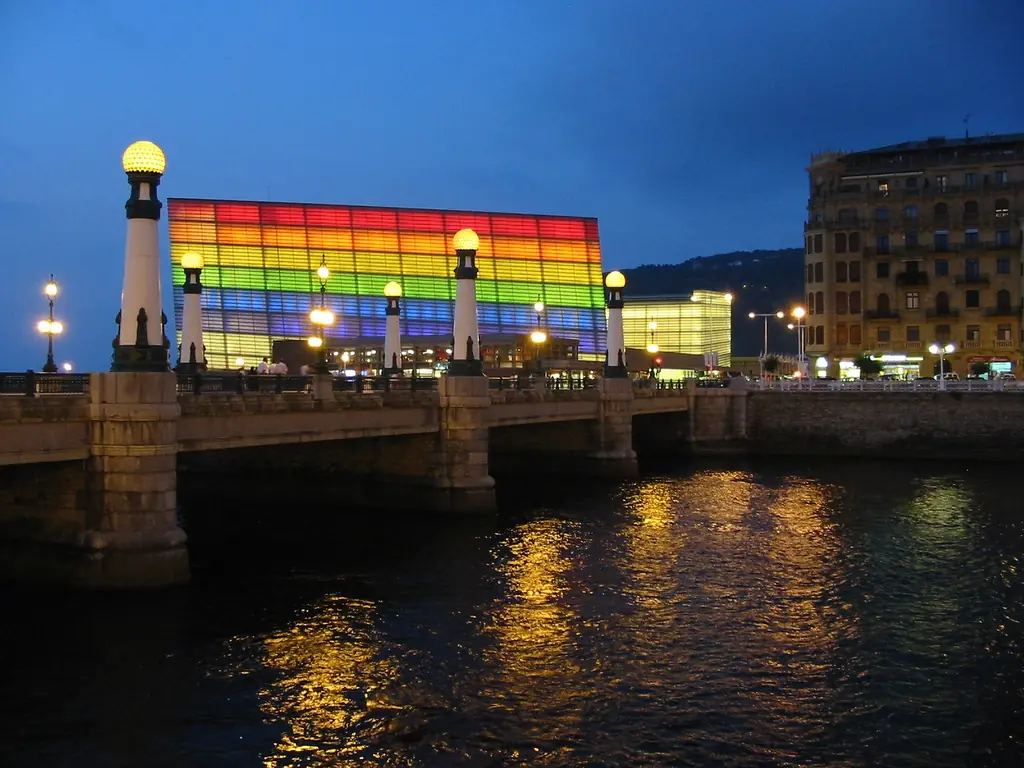
Rafael Moneo’s Kursaal stands beside the Urumea estuary in Donostia–San Sebastián. Two translucent volumes face the meeting of river, city and sea. Their public platforms make the ground around the buildings part of the architectural project. S1S2
From casino to cultural centre
The Gran Kursaal opened in 1922. Gambling was prohibited in 1924, and the building later served other purposes before its demolition. The present complex is a new construction on the same site, not a conversion of the old casino. S1
Moneo’s proposal was selected in 1990 following a consultation begun in 1989. Construction started in May 1995; the official inauguration took place on 23 August 1999. Congress activity had already begun that summer. S1
Two forms beside the sea
Moneo’s image of rocks stranded on the shore explains the independence of the volumes from the neighbouring street façades. Their tilted forms respond to the exposed river mouth rather than extending the surrounding residential blocks. S2
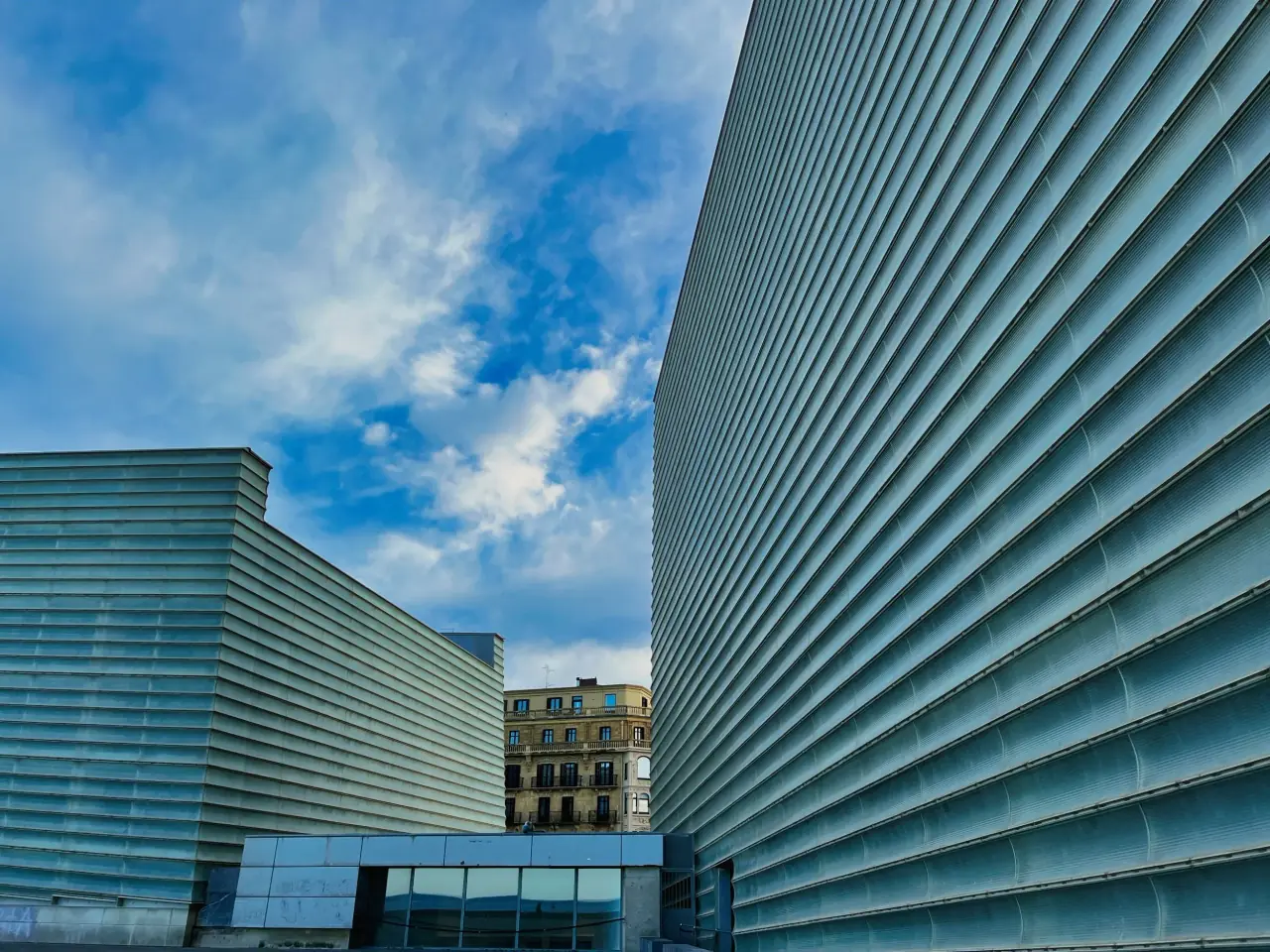
The glass envelope changes with distance and light. From afar it forms broad pale surfaces; closer up, horizontal elements introduce a finer rhythm. Translucency allows light to pass without turning the exterior into a transparent diagram of the auditoria.

Public ground and performance
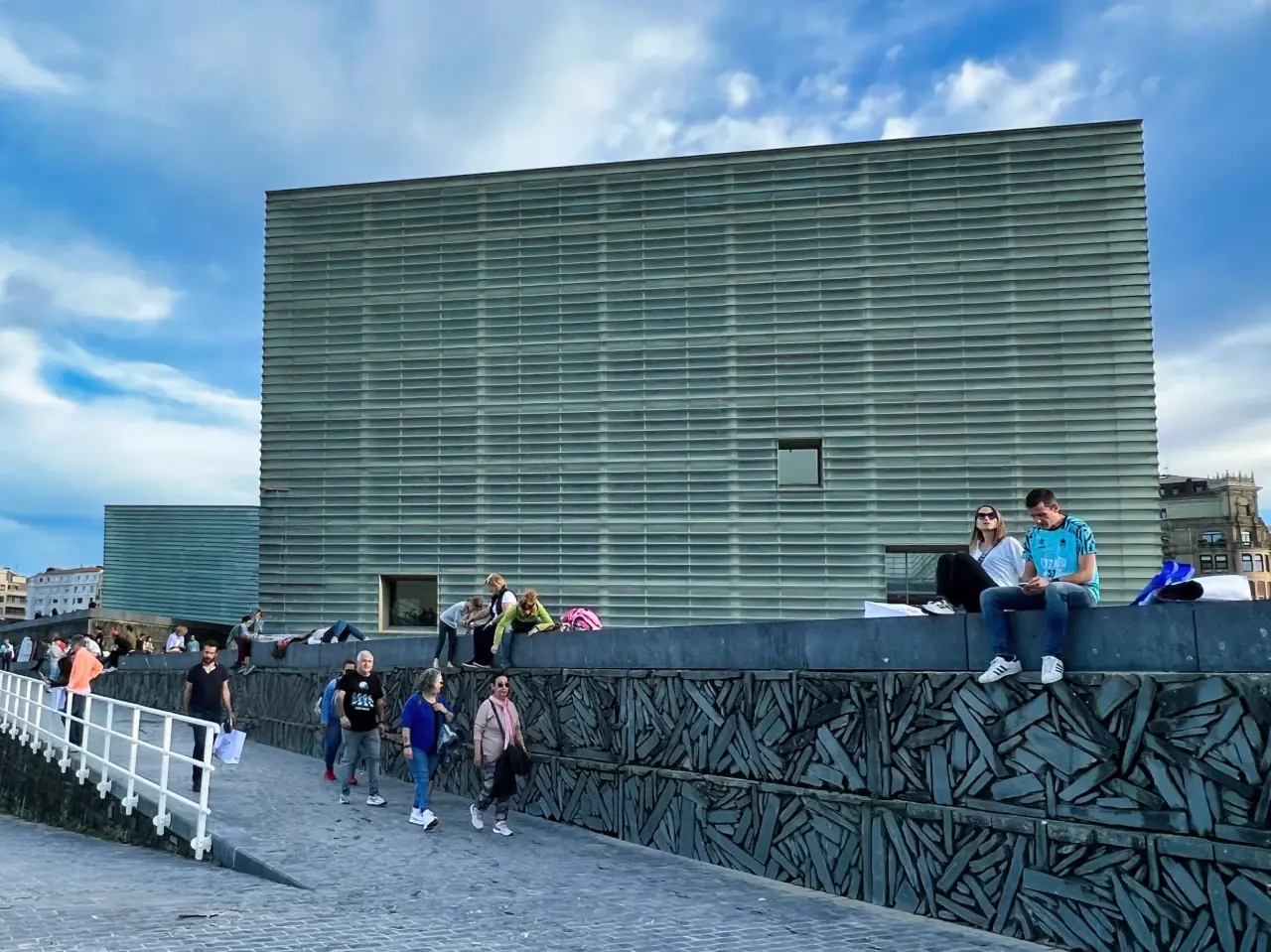
The platforms connect entrances with the bridge, river edge and beach surroundings. They accommodate arrivals for events while also providing space for passing through, waiting and looking towards the water.
Inside, auditoria, meeting rooms and circulation support cultural and congress activities. The building received the Mies van der Rohe Award in 2001, recognising an architectural work rather than an individual career. S3
Frequently asked questions
Who designed the present Kursaal?
Rafael Moneo.
Is it the old casino?
No. The earlier Gran Kursaal was demolished; the present building opened in 1999.
Did the Kursaal win the Pritzker Prize?
No. Moneo received that award in 1996. The Kursaal received the Mies van der Rohe Award in 2001. S3
Sources
More in Spain