Château de Nyon: power, justice and porcelain
- Local name
- Château de Nyon
- Type
- Historic castle, former civic administration and museum
- Continent
- Europe
- Country
- Switzerland
- Region
- Vaud
- Regional subdivision
- Nyon municipality
- Historical record
- Twelfth-century origins; sixteenth-century transformation; municipal purchase 1804; museum since 1888
- Date
- January 2023
- Photographer
- Bruno Sellés
- Published
- August 4, 2025
- Reviewed
- November 7, 2026
- Coordinates
- 46.3819, 6.2408
- More
- Wikipedia
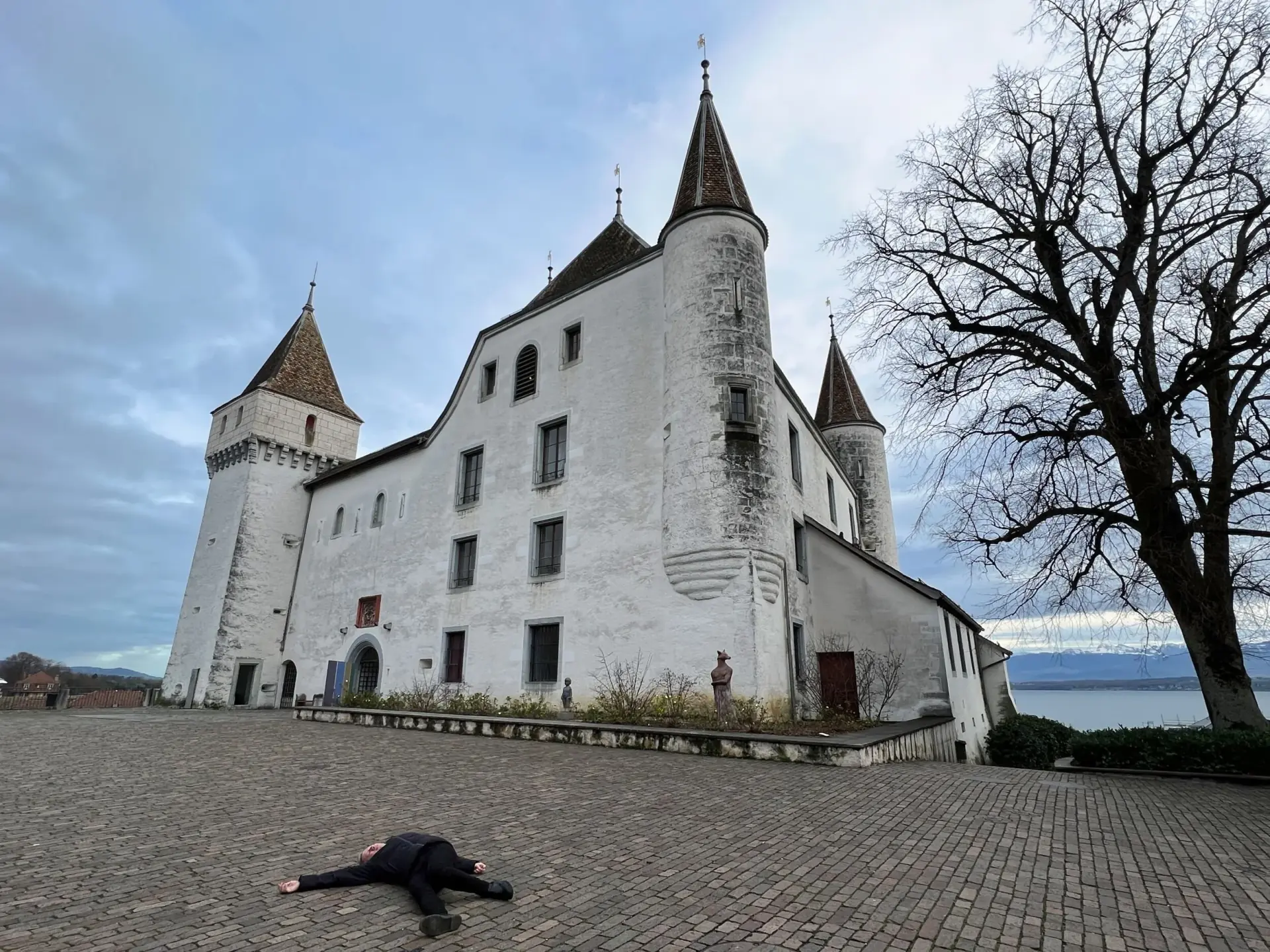
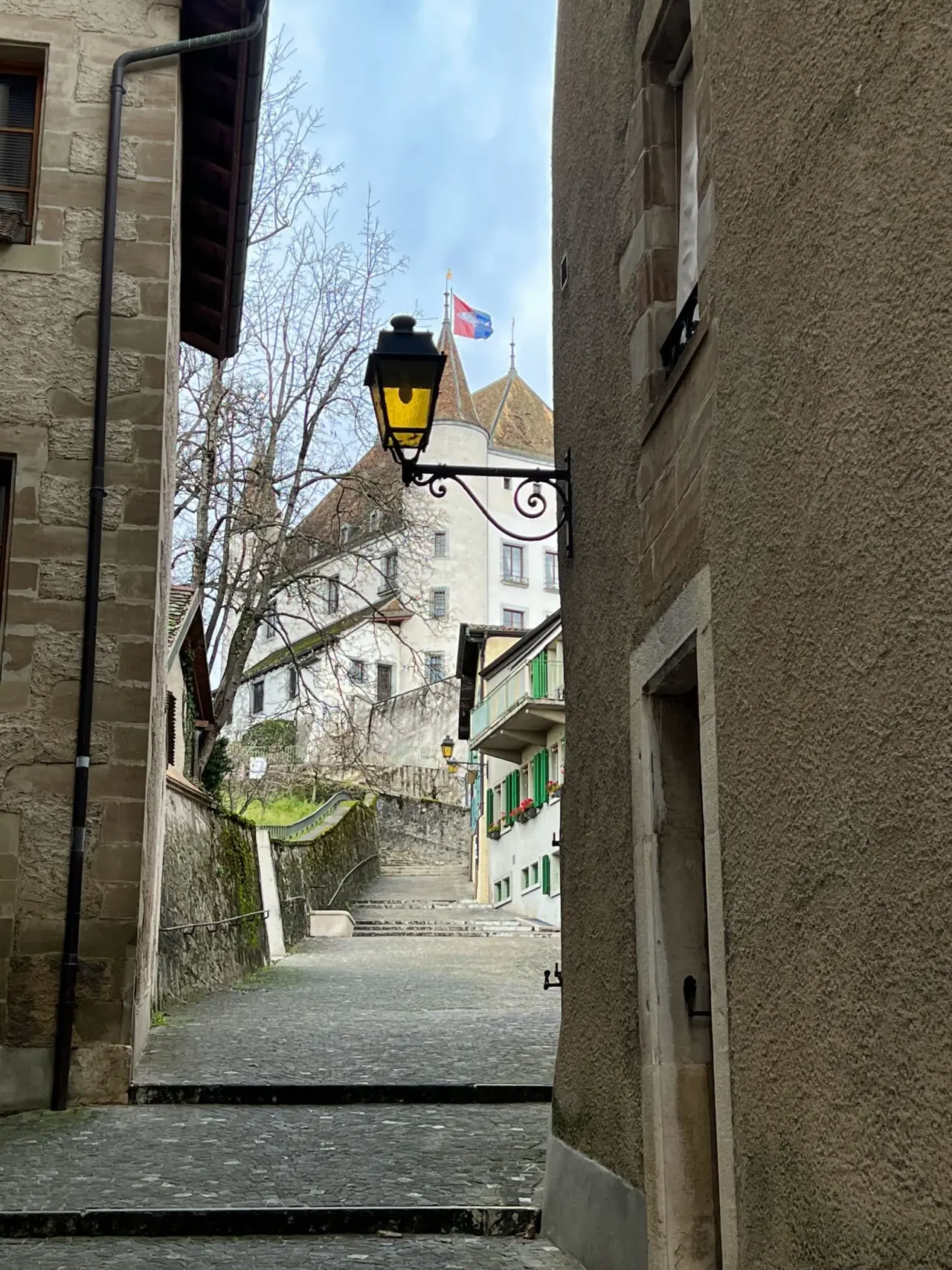
Above Lake Geneva, Château de Nyon combines white walls, pointed towers and a long history of changing uses. Its position links the castle to the old town below and the lake beyond.

From fortress to civic building
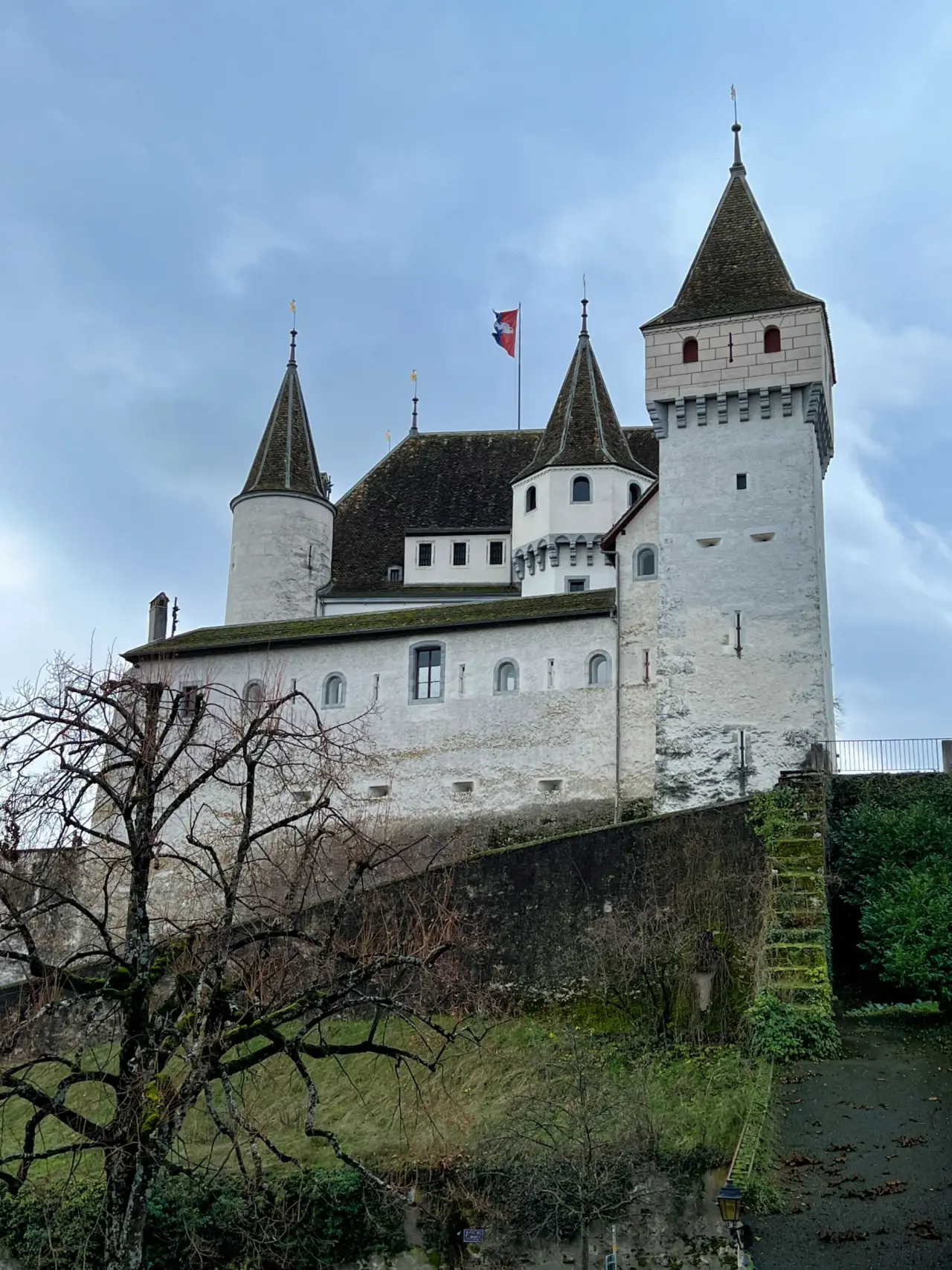
The municipality dates the fortress to the twelfth century and records major changes in the sixteenth. Savoyard and Bernese administration belong to successive phases of its political history. The building provided rooms for government as well as defence. S1
Nyon purchased the castle in 1804. The prison remained in use until 1979 and the courts until 1999. Behind the picturesque silhouette lies a building that continued to exercise civic authority well into modern times. S1
Walls and thresholds
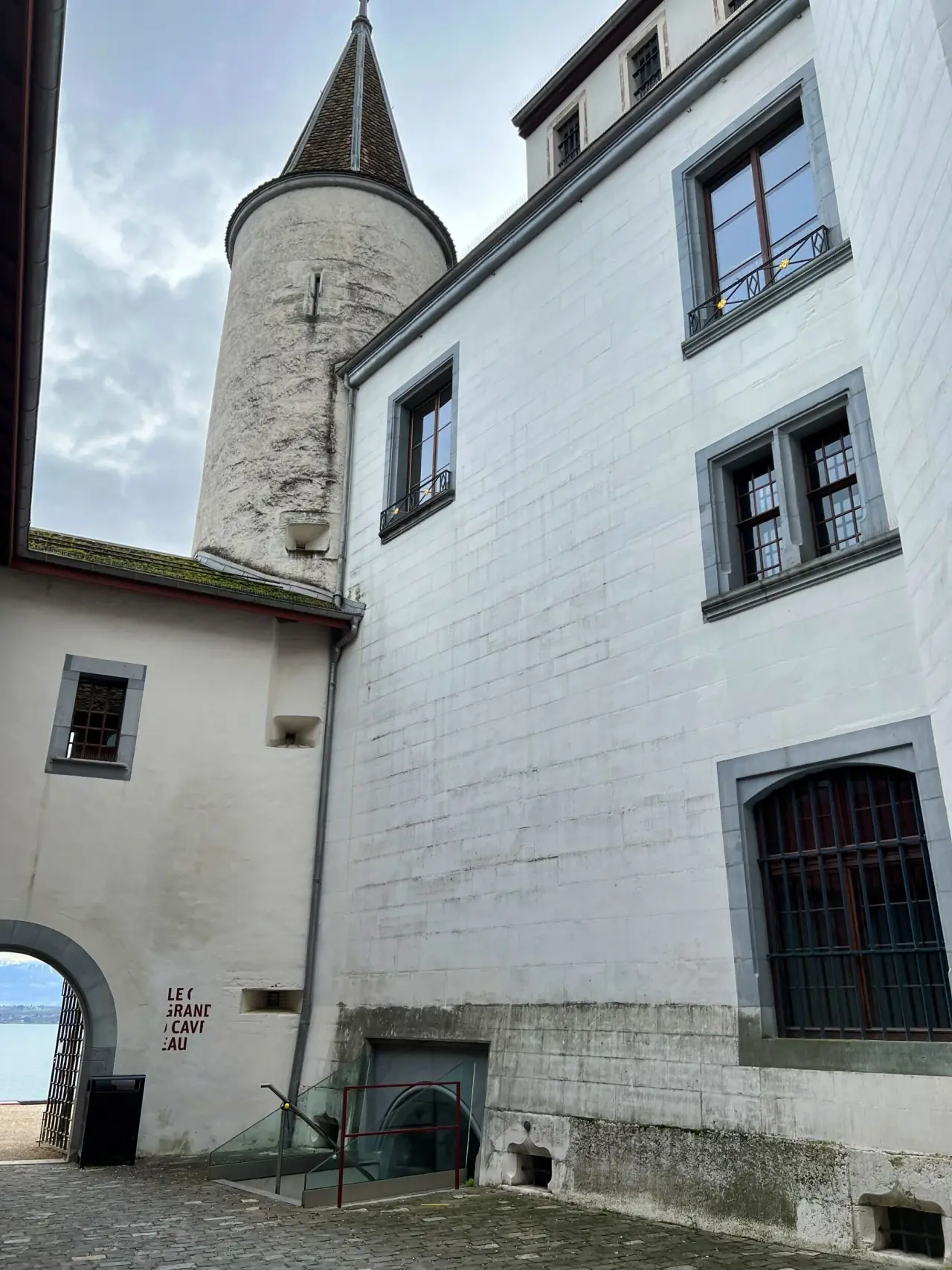
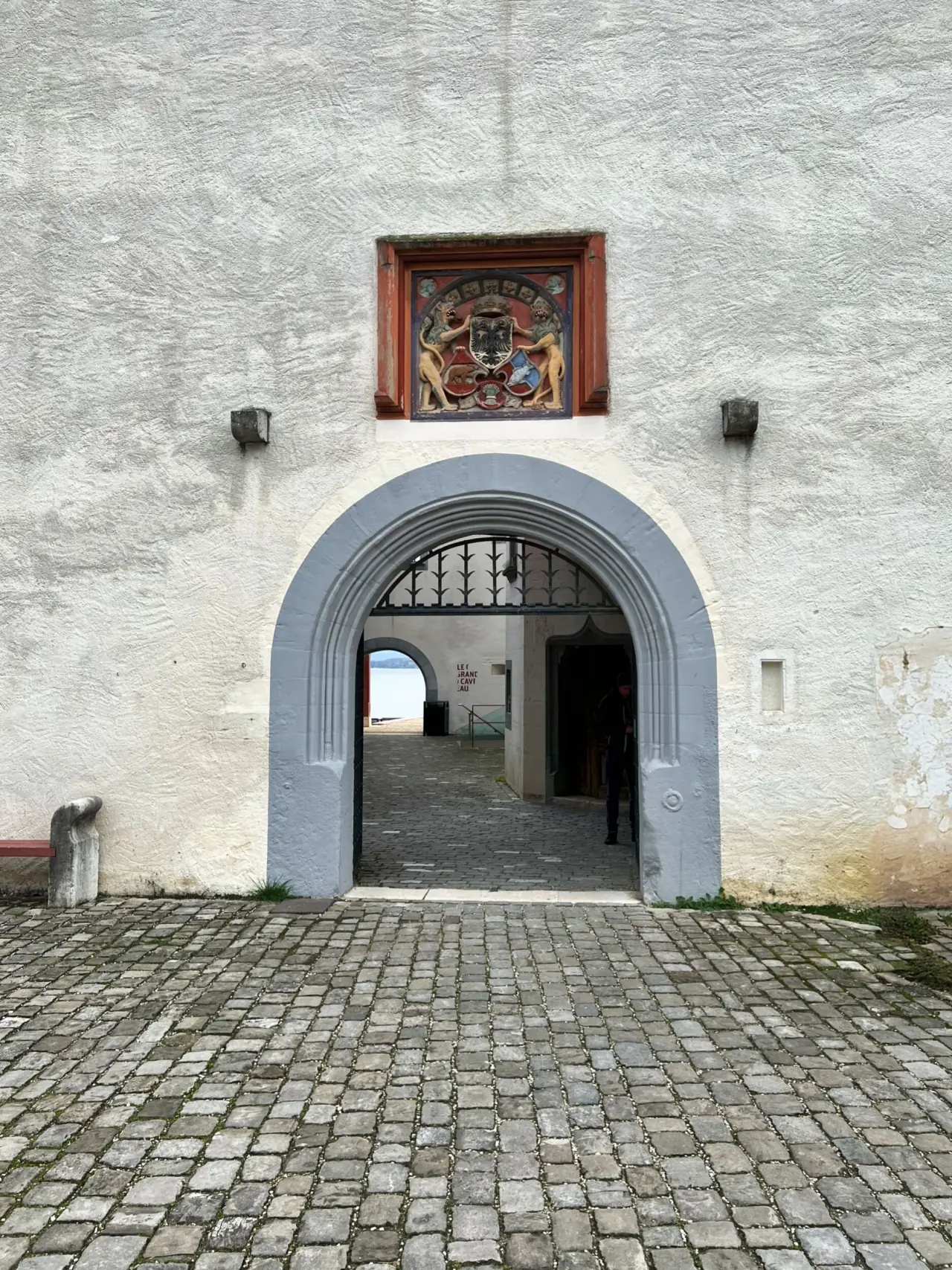
The broad white surfaces emphasise the shadows beneath the roofs and around the windows. An armorial panel above the entrance gives the doorway a representative role, while the courtyard connects towers, openings and internal routes.
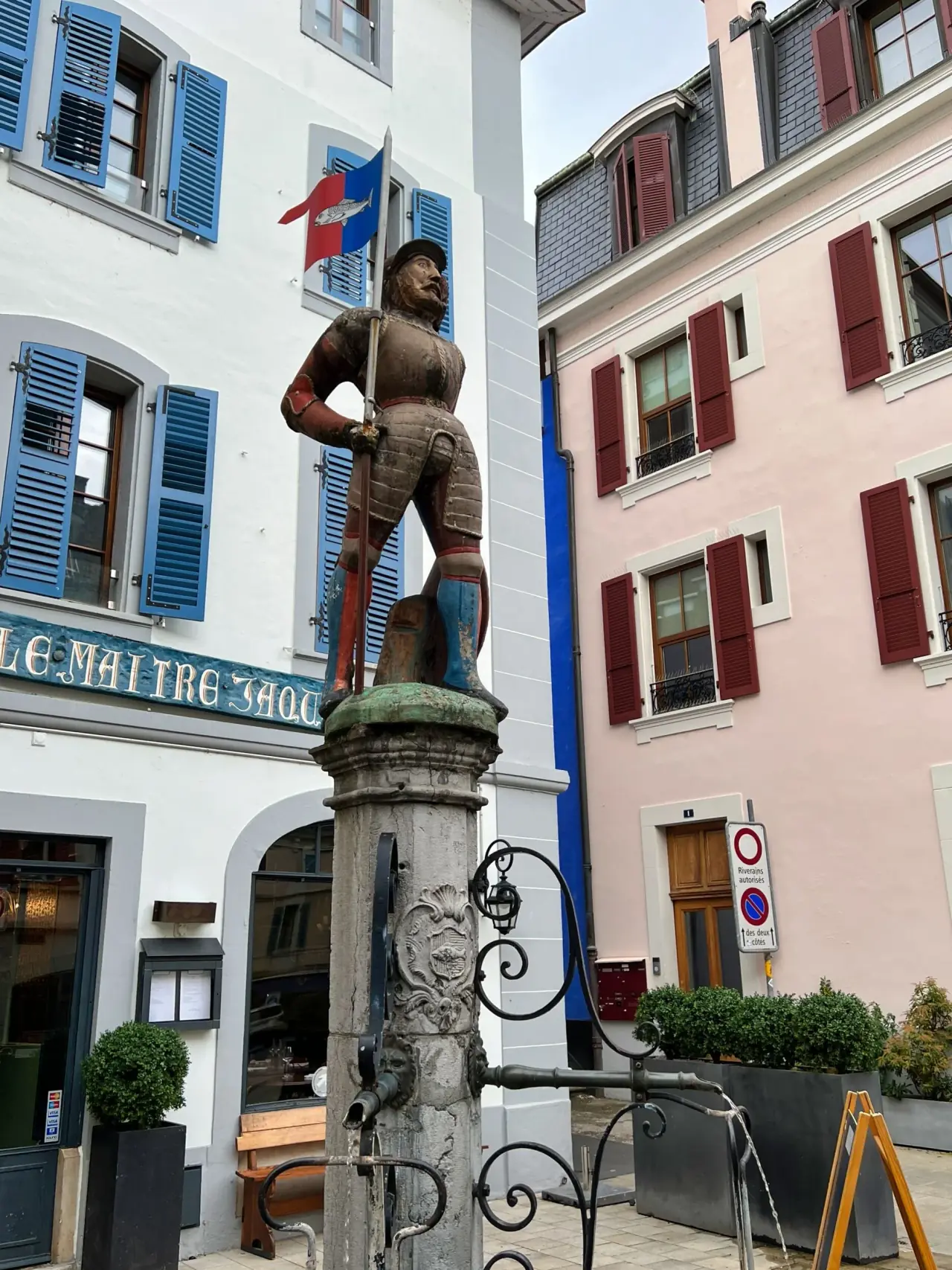
The surrounding streets place this large institutional building within a smaller urban fabric. Approaching through the old town reveals a different scale from the open views across the lake.
A museum and its collections
A museum has occupied the castle since 1888, overlapping for decades with its judicial functions. Its roots lie in a local collecting society founded in 1860; a major porcelain exhibition followed in 1947. S3
The permanent display uses former prison spaces and the jailer’s apartment to explore Nyon’s history. S2
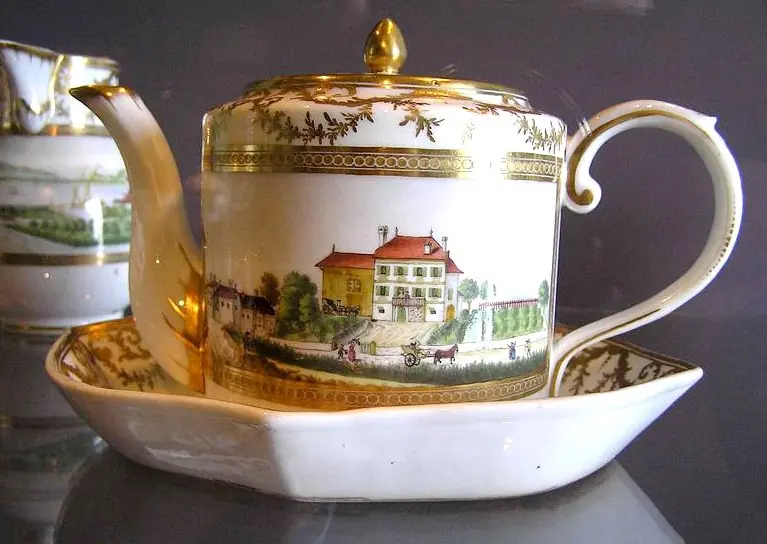
Nyon porcelain was produced between 1781 and 1813. The vessels connect the museum with the town’s manufacturing skills, trade and domestic life. Painted decoration, gilding and carefully formed handles bring a small-scale material history into the castle. S1

Frequently asked questions
How old is the castle?
Its origins date to the twelfth century, with major sixteenth-century changes.
Was porcelain made here?
The museum preserves Nyon porcelain; displaying it in the castle does not mean the factory occupied the building.
Is it UNESCO World Heritage?
No. It has no independent World Heritage inscription. S4
Sources
More in Switzerland