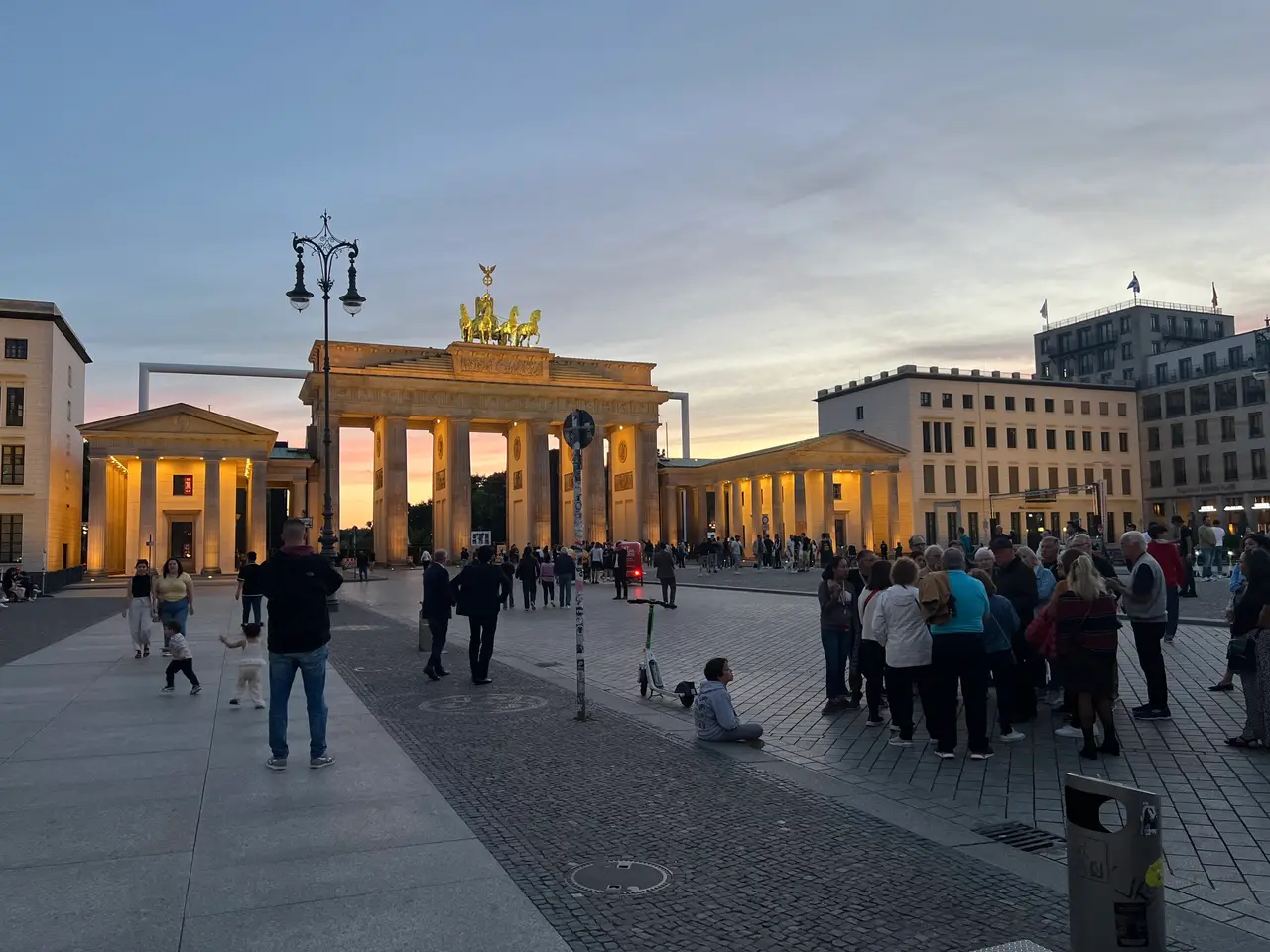
Brandenburg Gate
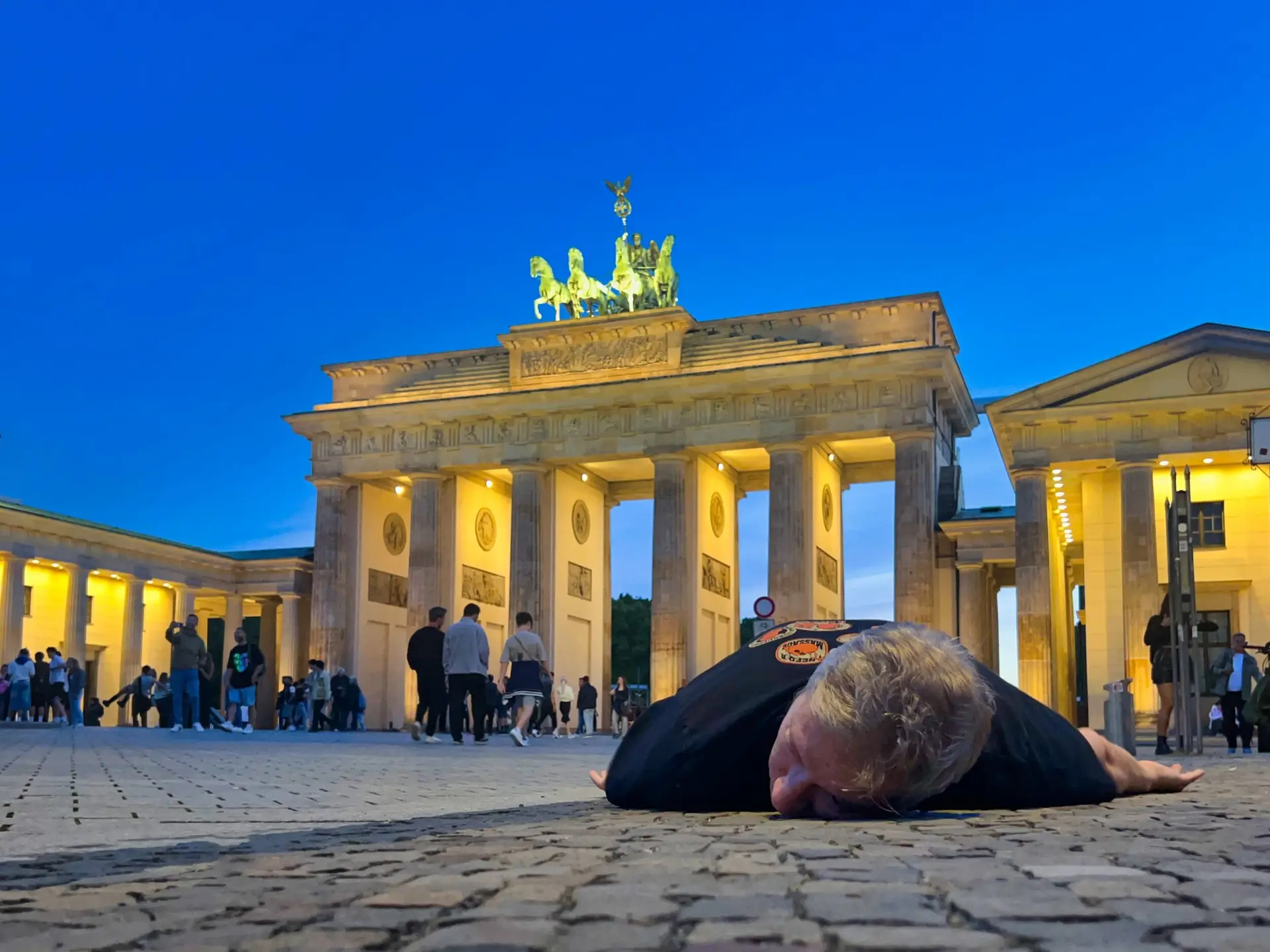
- Situation
- Berlin, Allemagne
- Continent
- Europe
- Date
- Juin 2024
- Photographe
- Self portrait
- Coordonnées
- 52.5163, 13.3777
The Brandenburg Gate is a monumental neoclassical city gate in central Berlin. Built between 1788 and 1791 by architect Carl Gotthard Langhans, it originally served as a grand entrance to the city. Over centuries it witnessed historic moments—from Napoleon’s triumphal entry and WWII damage, to standing at the heart of the Berlin Wall, and becoming a symbol of healing and unity after German reunification
Origins & Design
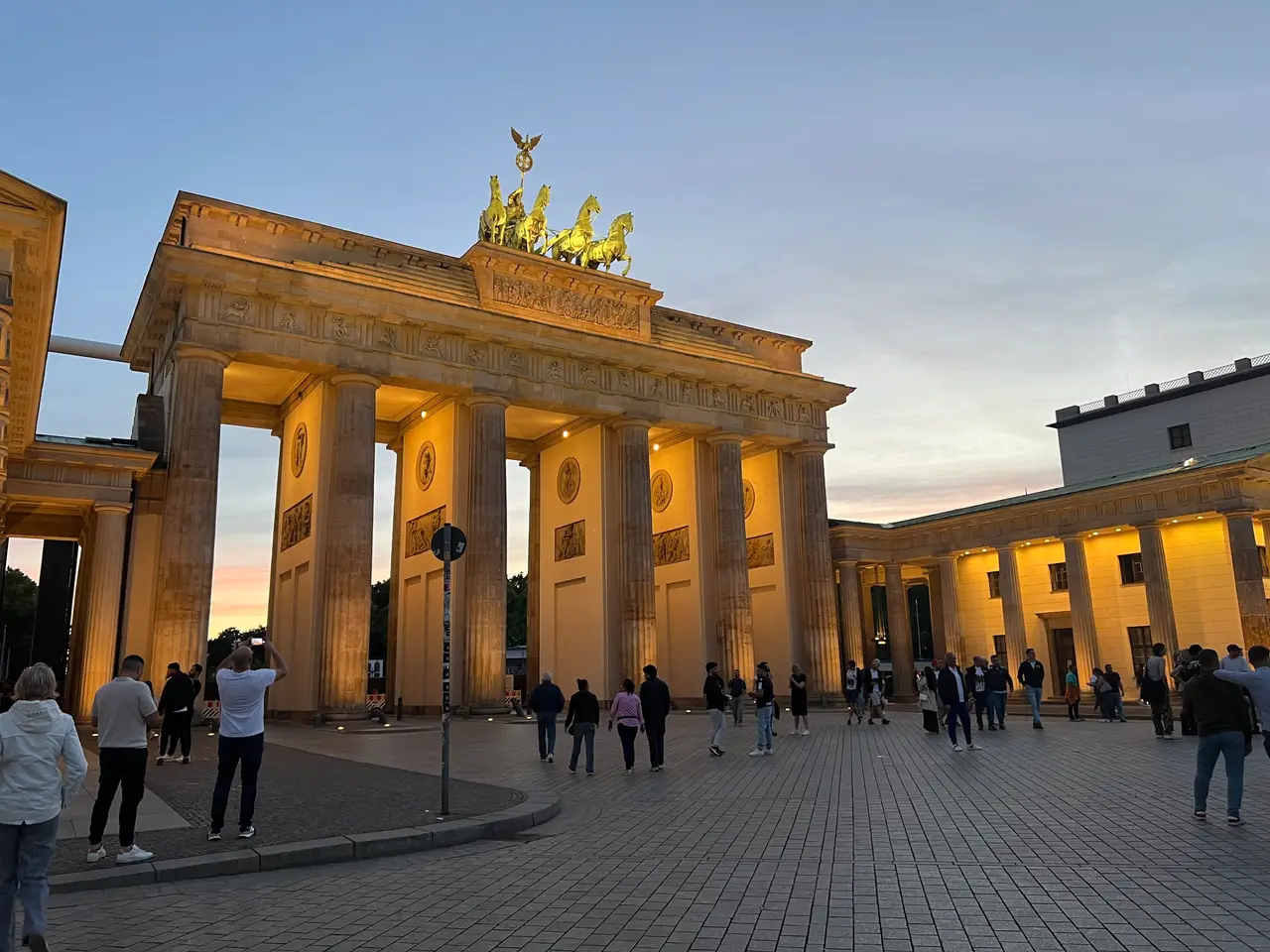
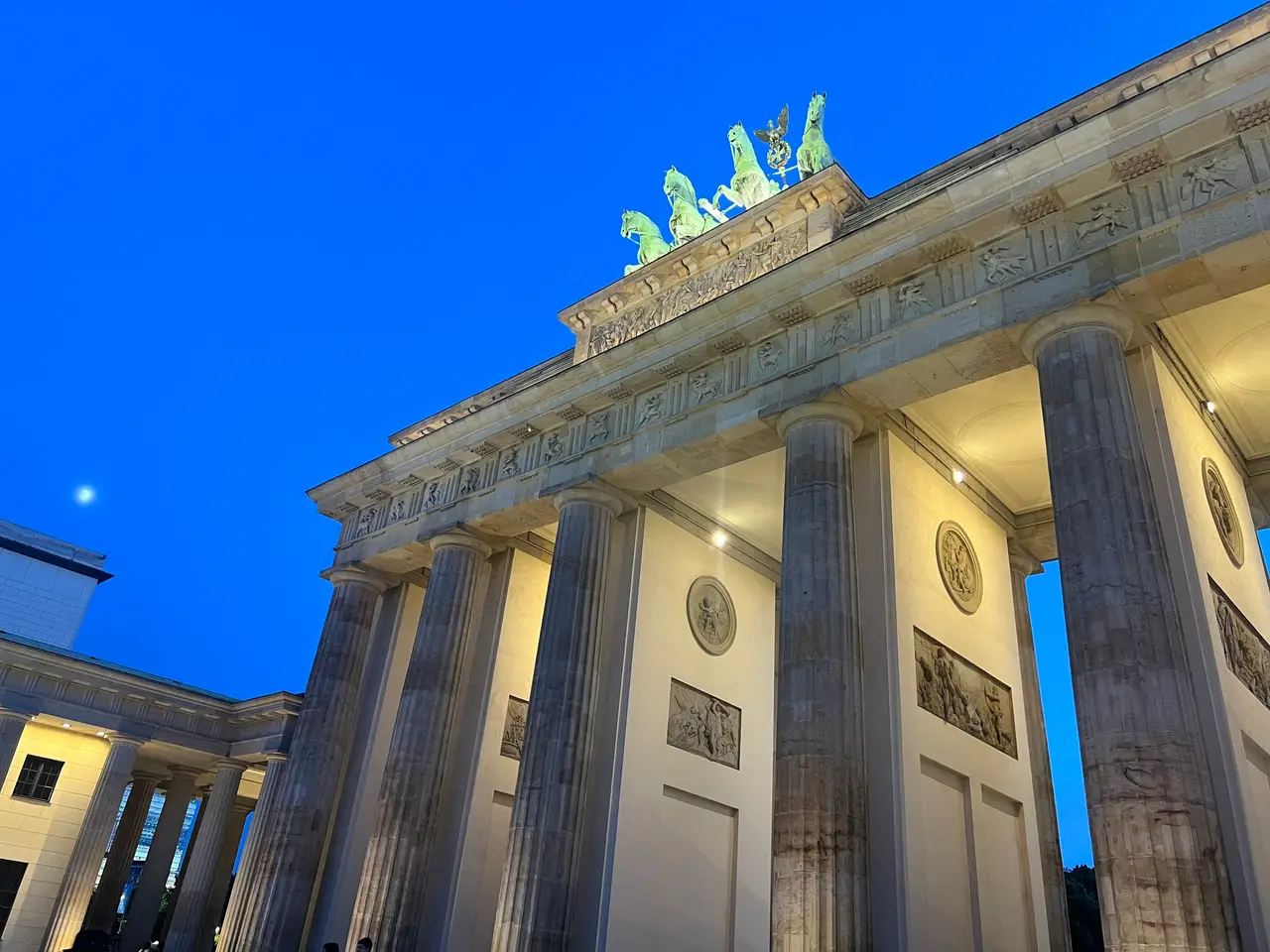
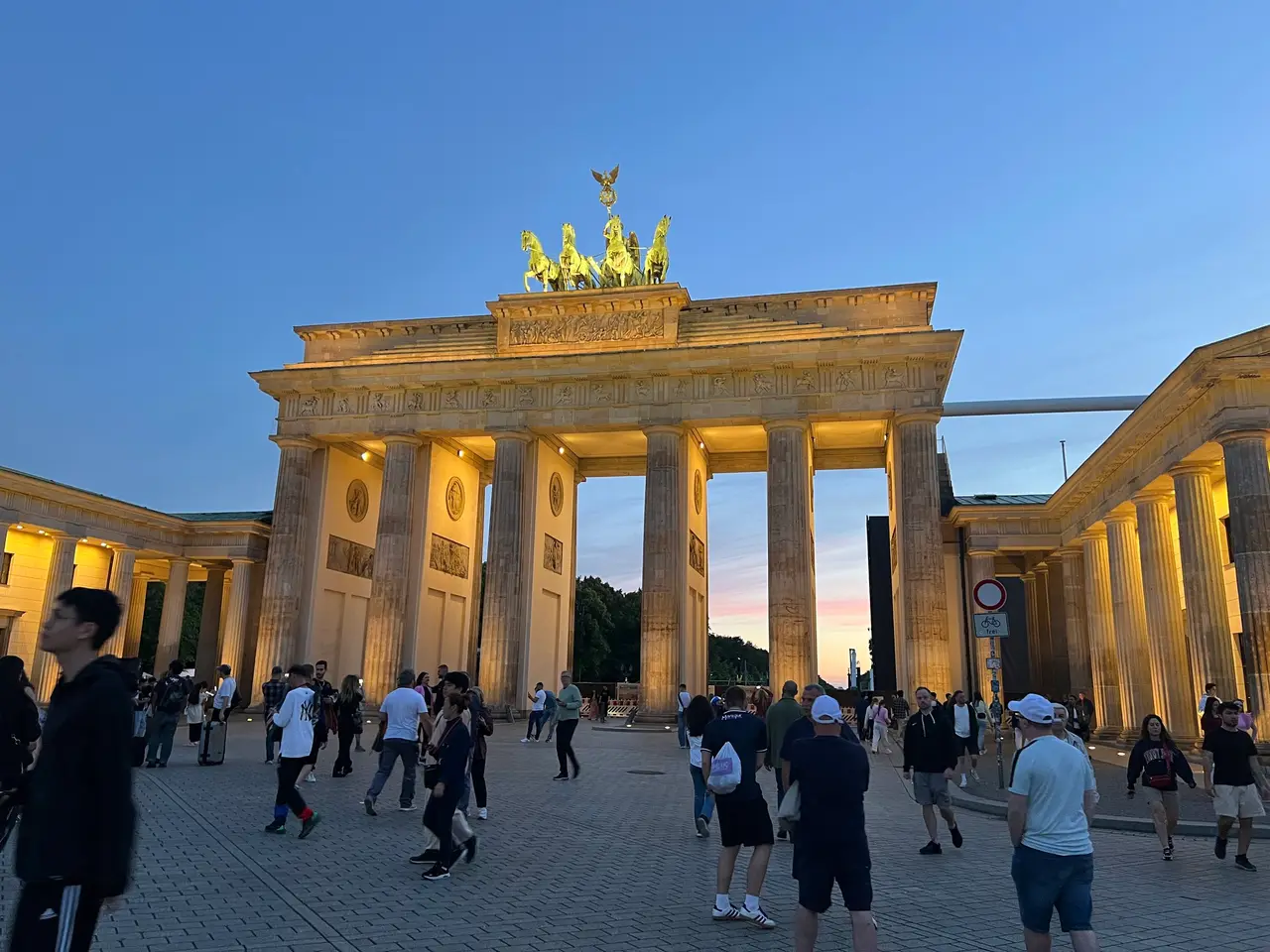
Commissioned by King Frederick William II, the gate was inspired by the Propylaea of Athens. It features twelve Doric columns forming five passageways, and is topped by the Quadriga—a bronze chariot sculpture by Johann Gottfried Schadow
19th‑Century Events
In 1806 Napoleon seized the Quadriga and brought it to Paris; it was returned in 1814 after his defeat, rebranded with an Iron Cross and Prussian eagle
War & Division
The gate survived WWII despite heavy damage. During the Cold War, it stood inaccessible within the “death strip” of the Berlin Wall, symbolizing separation
Reunion & Peace
After the Wall fell in 1989, the gate became a powerful symbol of reunification. Celebrations resumed, and in 2002 it was fully restored and pedestrianized
Present Day Landmark
Today it anchors Pariser Platz, hosts events like New Year’s fireworks and World Cup celebrations, and remains one of Berlin's most visited and photographed landmarks
Autres lieux : Allemagne