Wax Museum of Barcelona: Wax Figures in an Old Bank
- Local name
- Museu de Cera de Barcelona · Museo de Cera de Barcelona
- Type
- Wax museum in a nineteenth-century bank building
- Continent
- Europe
- Country
- Spain
- Region
- Catalonia
- City
- Barcelona
- Neighbourhood
- Gothic Quarter, Ciutat Vella
- Location
- Passatge de la Banca 7, off the lower end of La Rambla
- Building
- 1867–1873, for the Compañía General de Crédito El Comercio
- Opened as a museum
- 1973, by Enrique Alarcón
- Renovation
- Reopened on 4 December 2020
- Heritage
- Building of historical and artistic interest
- Date
- October 2023
- Photographer
- Héctor Godes
- Published
- October 15, 2023
- Reviewed
- November 13, 2026
- Coordinates
- 41.3774, 2.1774
- More
- Wikipedia
The Wax Museum of Barcelona, the Museu de Cera, occupies a nineteenth-century bank building at number 7 of Passatge de la Banca, a short alley that opens off the lower end of La Rambla S1. It has displayed wax figures there since 1973 S1.
Its history has two layers. The building tells the story of Barcelona’s banking bourgeoisie, while the museum it has housed for half a century has become a piece of the city’s popular culture, full of anecdotes, controversies and renovations.

A bank at the bottom of La Rambla
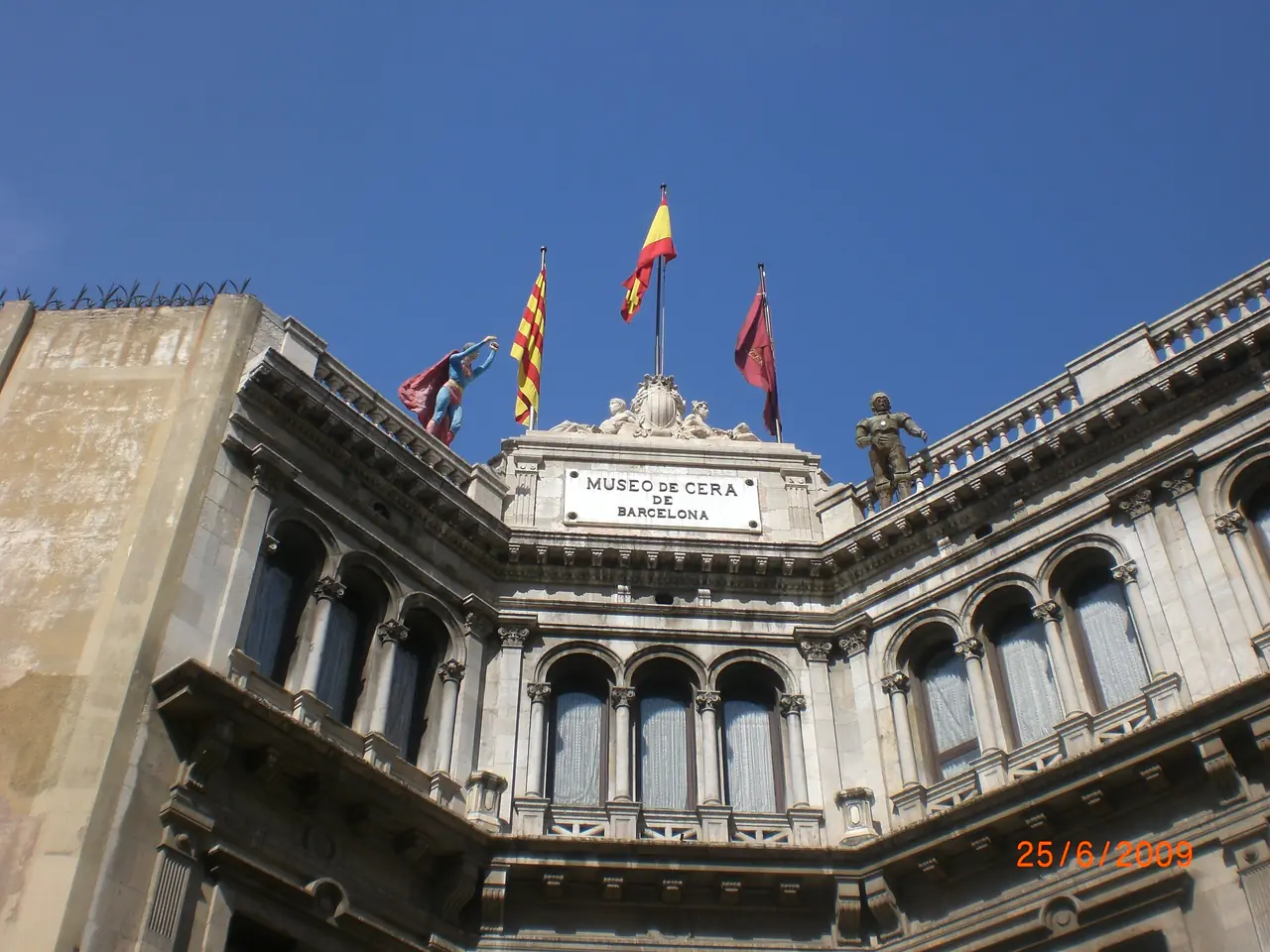
The building was erected between 1867 and 1873 for the Compañía General de Crédito El Comercio, a credit company founded by Ignacio Girona y Agrafel S1 S7. For decades it kept jewellery, money and securities belonging to the Barcelona bourgeoisie S1.
Its authorship is not settled. The Spanish Wikipedia and a study devoted to the master builder Domènec Balet attribute the original design to him, while other sources, such as the city’s tourist bus guide, credit the architect Elies Rogent S1 S5 S6.
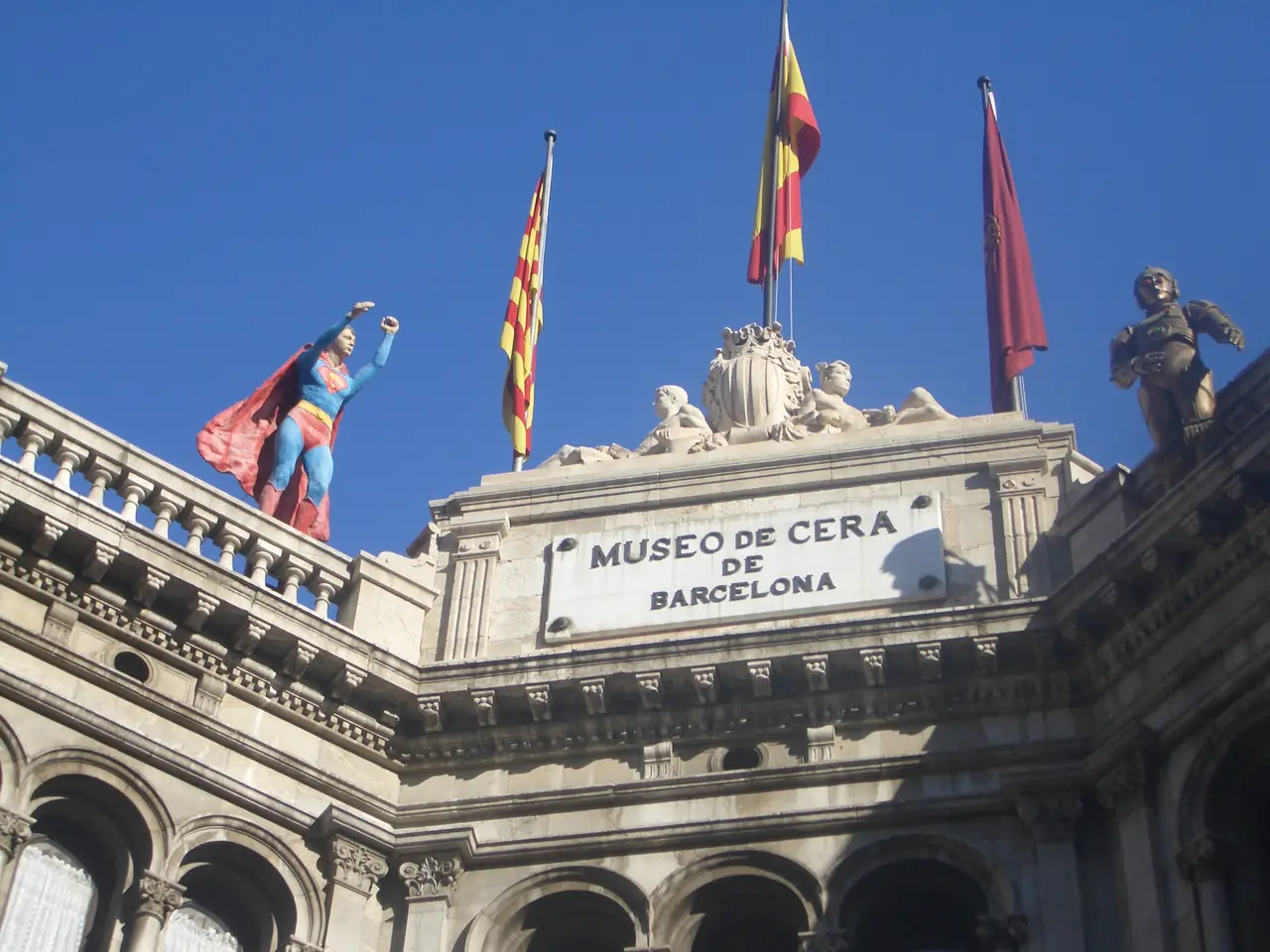
In 1892 the successor company, the Crédito Mutuo Fabril y Mercantil, known as Caixa Vilumara, asked Balet to add a floor S1. The project also added the decoration that still crowns the building: the plaque with the name of the institution, a Catalan coat of arms flanked by two sculptures and a balustrade on the roof S1.

The Girona family and the Banc de Barcelona
The Banc de Barcelona was a key institution in the city’s economic history. Founded in 1845, it grew out of the commercial house of the Girona family, and its notes were the first banknotes to circulate in Spain S4.
Manuel Girona was one of the key figures in its foundation when he was little more than twenty, and he remained its director until his death in 1905 S4. In 1874 provincial banks lost the privilege of issuing notes, and from the end of the century the bank began to lose strength S4.
The building on Passatge de la Banca is therefore a witness to an era in which Catalan merchant families created their own banks. The street itself owes its name to that long banking past S1.

Enrique Alarcón’s stage
In 1973 the architect and set designer Enrique Alarcón decided to turn the building into a wax museum S1 S7. He chose it because it conveyed, in his view, the mystery and charm that the project needed, and he used materials such as marble, wood, steel, silk and glass S1.
Alarcón, a set designer from Madrid, saw the old bank as the ideal stage for a wax museum S9. His experience in theatre and film explains the scenographic character of the visit S7. Instead of lining up figures in neutral rooms, Alarcón arranged them in settings that played with the corridors, staircases and halls of the old bank.

Wax, politics and anecdotes
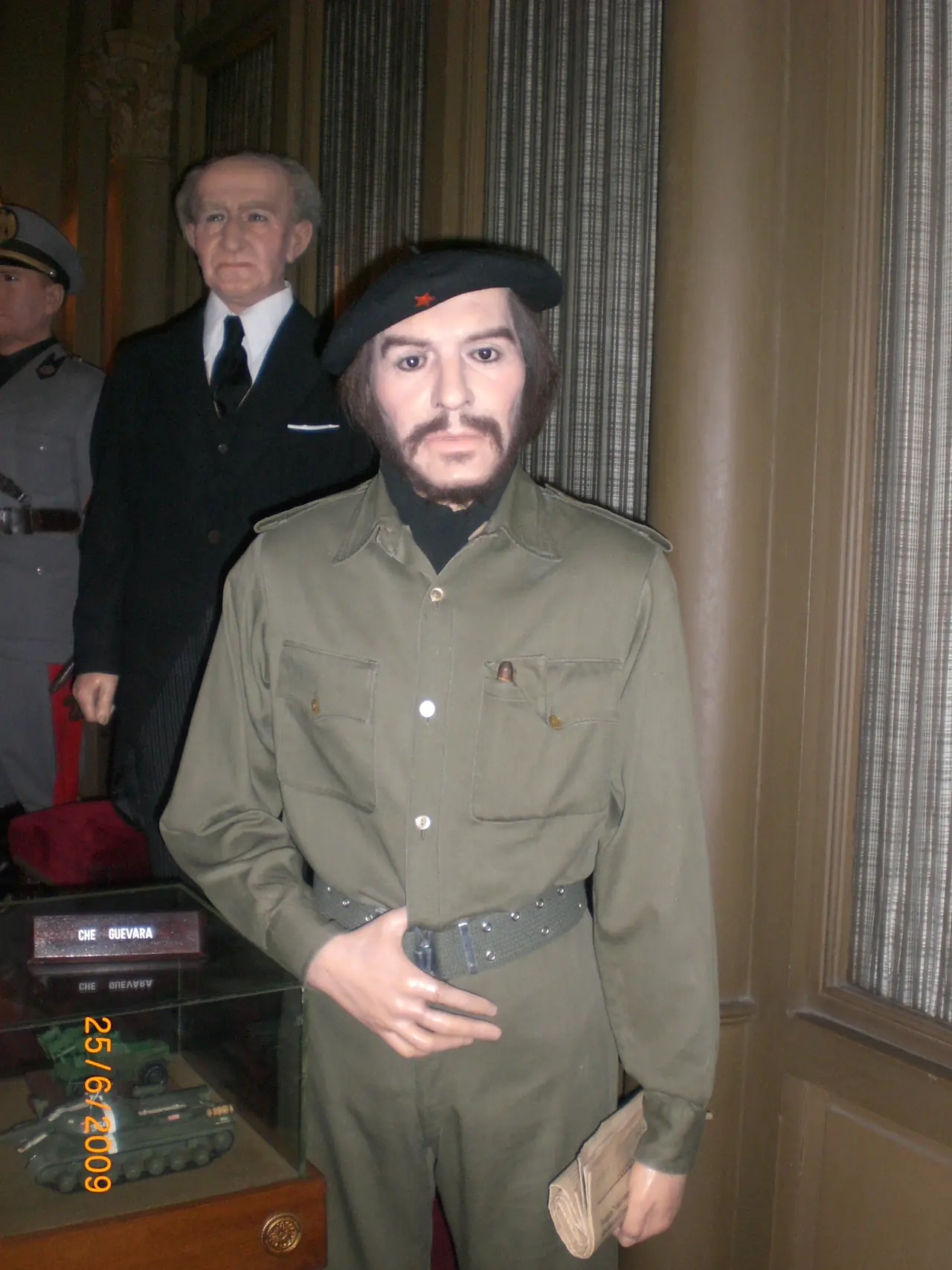
The museum has also lived through episodes that reflect the history of Spain. On 24 February 1981, the day after the attempted coup of 23 February, three hooded people burst in shouting fascist slogans and set fire to the figure of King Juan Carlos I S3.
They doused it with petrol, left leaflets against the king and democracy and fled S3. The face, hands and clothes of the figure had to be made again S3.
In 1982 the night watchman heard noises in the old attics and found several beheaded figures, including Columbus, Ramon Llull and Wilfred the Hairy S3. The culprit had dressed in the clothes of the figure of James I and used its sword S3.
The realism of the figures has caused gentler confusions too. A passer-by once started talking to a figure in a first-floor window, and staff have often found visitors praying in front of the figure of Pope John XXIII S3.
Even the director was not spared. Carmina Vall, who ran the museum until 2020, recalled that she had sometimes been mistaken for a wax figure while resting on a chair in front of the scene of the vault S3.

The renovation of 2020
By the end of the 2010s the old museum was showing its age. The press reported that it was for sale, and some visitors described the collection as dated, a sign that a model born in the 1970s needed to change S9.
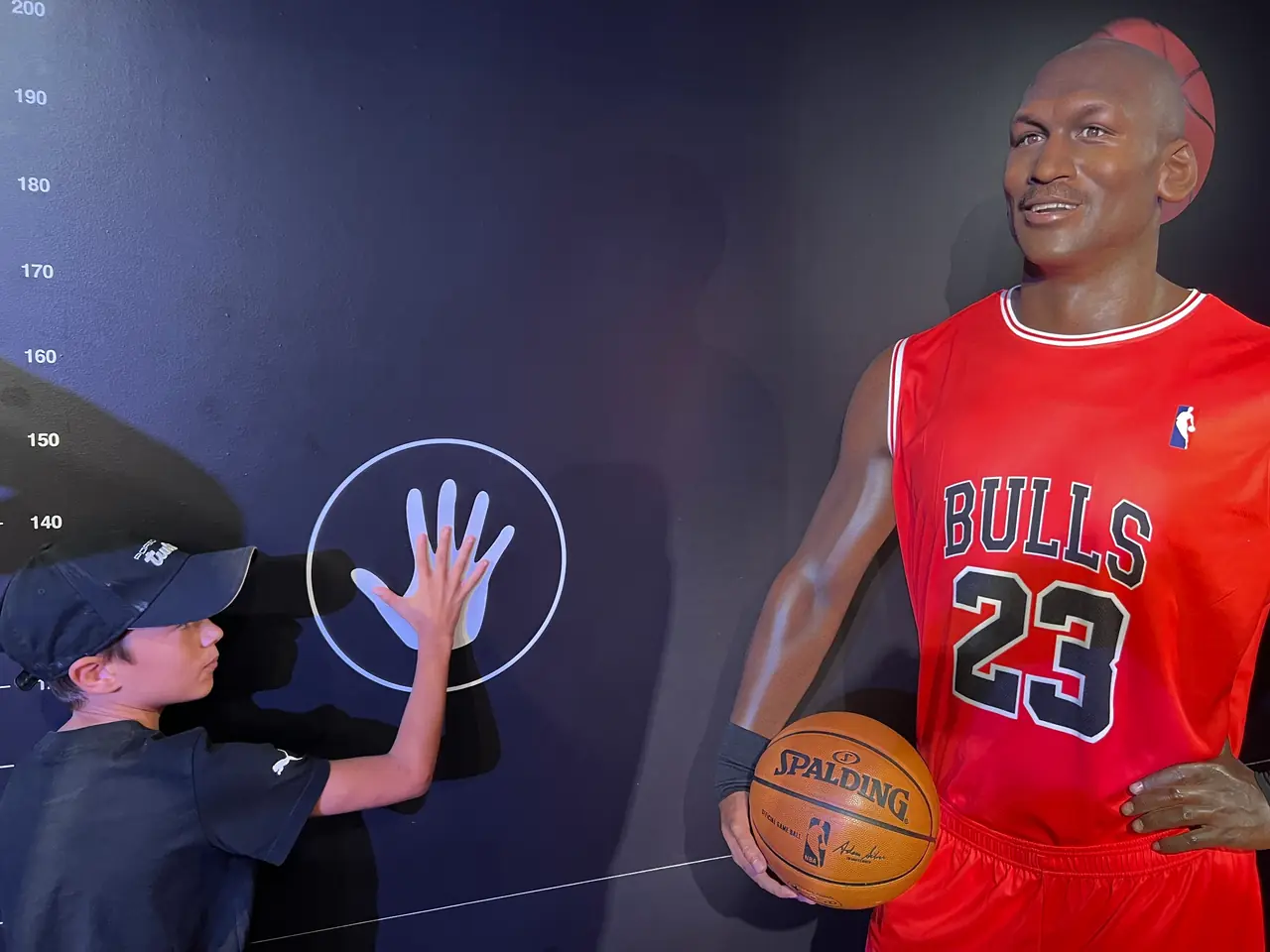
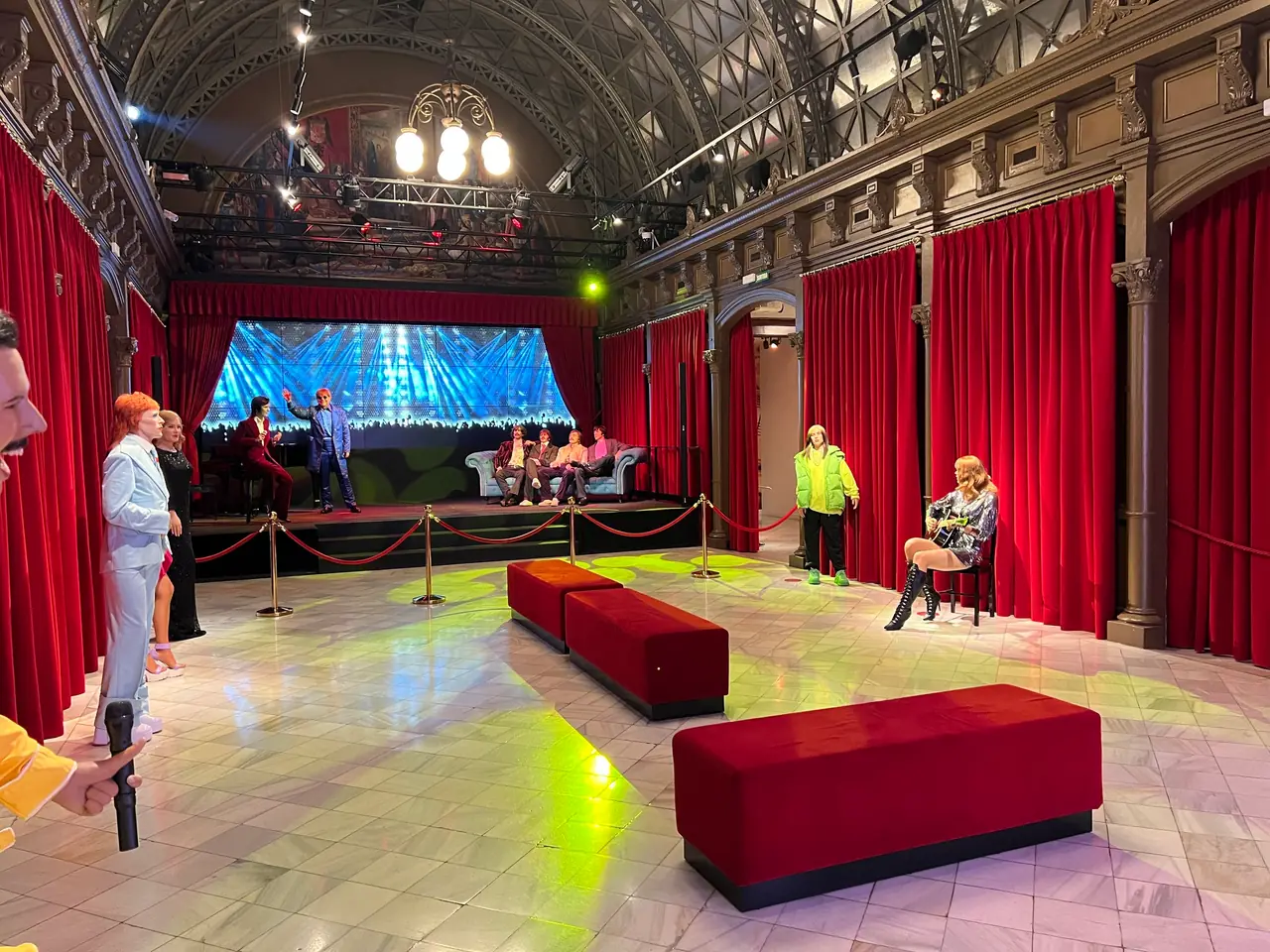
In 2020 a new company, Advanced Leisure Services, took over the museum, and on 4 December it reopened after a complete renovation that cost six million euros S2 S3. The new project counted more than 128 figures, 70 per cent of them new, spread over 28 settings S2.
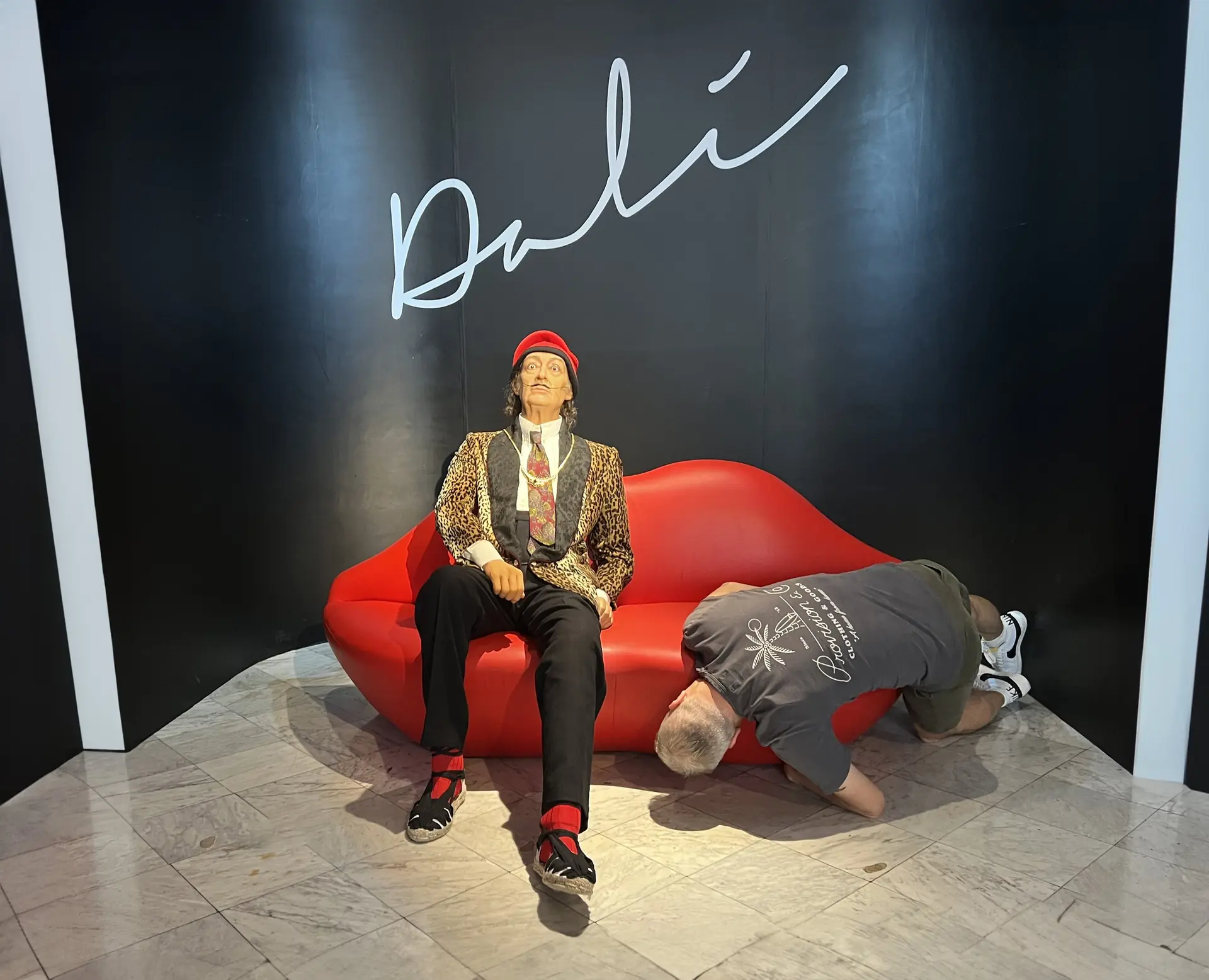
Many recent personalities joined the collection, from Rosalía, Messi and Pau Gasol to Taylor Swift, Barack Obama and Greta Thunberg, together with local icons such as Floquet de Neu, the albino gorilla of Barcelona Zoo S2. The renovation also kept some of the earlier settings and elements S2.
The building itself remains part of the show. One room occupies the old boardroom of the bank with its original paintings by Vilaró from 1906, and the Sala Magna is covered by an iron and glass structure more than 10 metres high S1.
At the exit, the Bosc de les Fades, a café decorated as a fairy-tale forest, and the Passatge del Temps extend the visit beyond the wax figures S1. Both spaces show how the museum has always mixed entertainment, architecture and set design.

The museum today
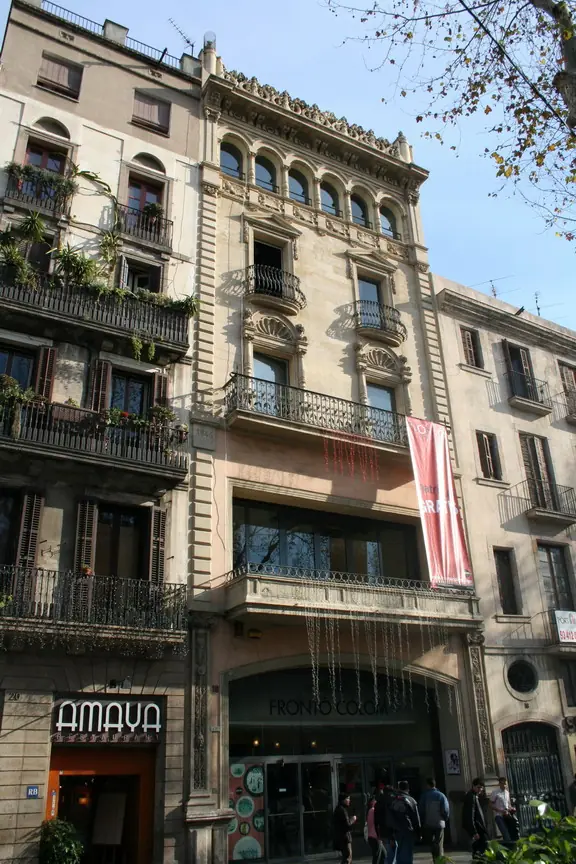
The Wax Museum of Barcelona is not a museum of history in the academic sense. Its value lies elsewhere: in a protected nineteenth-century building that keeps the memory of the city’s banks, and in a collection that reflects who Barcelona has chosen to celebrate in each period S1 S8.
Comparing the figures of the 1970s with those of the 2020s is a small lesson in how fame changes. Kings, painters and revolutionaries have given way to singers, athletes and influencers, while the old bank vault waits in the same place.

Frequently asked questions
When did the Wax Museum of Barcelona open?
It opened in 1973, when Enrique Alarcón turned an old bank building into a wax museum S1.
What was the building before the museum?
Is the bank vault real?
When was the museum renovated?
It reopened on 4 December 2020 after a renovation of six million euros, with more than 128 figures, most of them new S2.
Where is the Wax Museum of Barcelona?
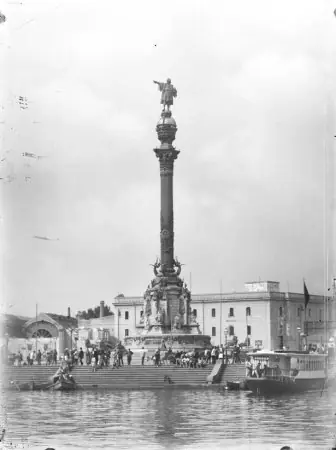
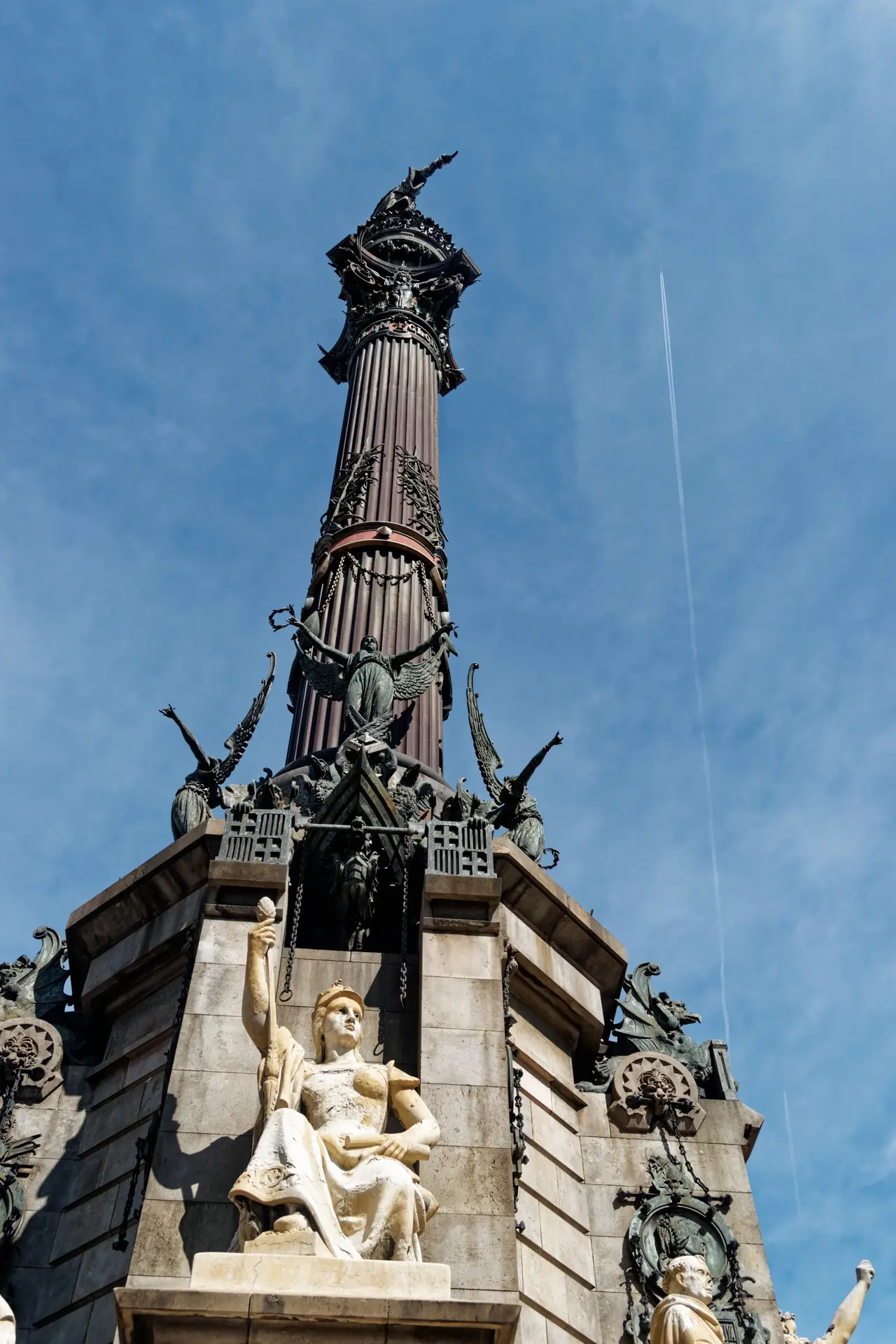
At Passatge de la Banca 7, an alley off the lower end of La Rambla, near the Columbus Monument S1.
Sources
- S1 Wikipedia: Museo de Cera de Barcelona.
- S2 betevé: The new Wax Museum, an interactive experience.
- S3 betevé: The history of the attacks on the Wax Museum.
- S4 betevé: Banc de Barcelona, the origin of modern banking.
- S5 Barcelona Bus Turístic: Wax Museum of Barcelona.
- S6 Domènec Balet: The Wax Museum of Barcelona.
- S7 Barcelona Tickets: About the Wax Museum Barcelona.
- S8 Amics de la Rambla: Wax Museum Barcelona.
- S9 elDiario.es: Barcelona’s wax museum for sale, the decline of a twentieth-century business.
More in Spain
 UNESCO WH