Kennedy Space Center: The Spaceport Built for the Moon
- Local name
- John F. Kennedy Space Center · KSC
- Type
- NASA spaceport and field center
- Continent
- America
- Country
- United States
- State
- Florida
- County
- Brevard County
- Location
- Merritt Island, next to Cape Canaveral, on the Atlantic coast
- Historical names
- Launch Operations Directorate · Launch Operations Center (1962–1963)
- Founded
- 1962; renamed on 29 November 1963
- First director
- Kurt Debus
- Main facilities
- Vehicle Assembly Building, Launch Control Center, Launch Complex 39 (Pads 39A and 39B), crawlerway
- Vehicle Assembly Building
- 525 feet tall, 518 feet wide, completed in 1965
- Protected area
- Merritt Island National Wildlife Refuge (since 1963)
- Date
- December 2023
- Photographer
- Héctor Godes
- Published
- January 28, 2024
- Reviewed
- November 13, 2026
- Coordinates
- 28.5865, -80.6564
- More
- Wikipedia
Kennedy Space Center is NASA’s launch base on Merritt Island, on the Atlantic coast of Florida, next to Cape Canaveral S2. It was created in the early 1960s to send astronauts to the Moon, and since then it has launched the Apollo missions, the Space Shuttle and the first flight of the Artemis program S1 S9.
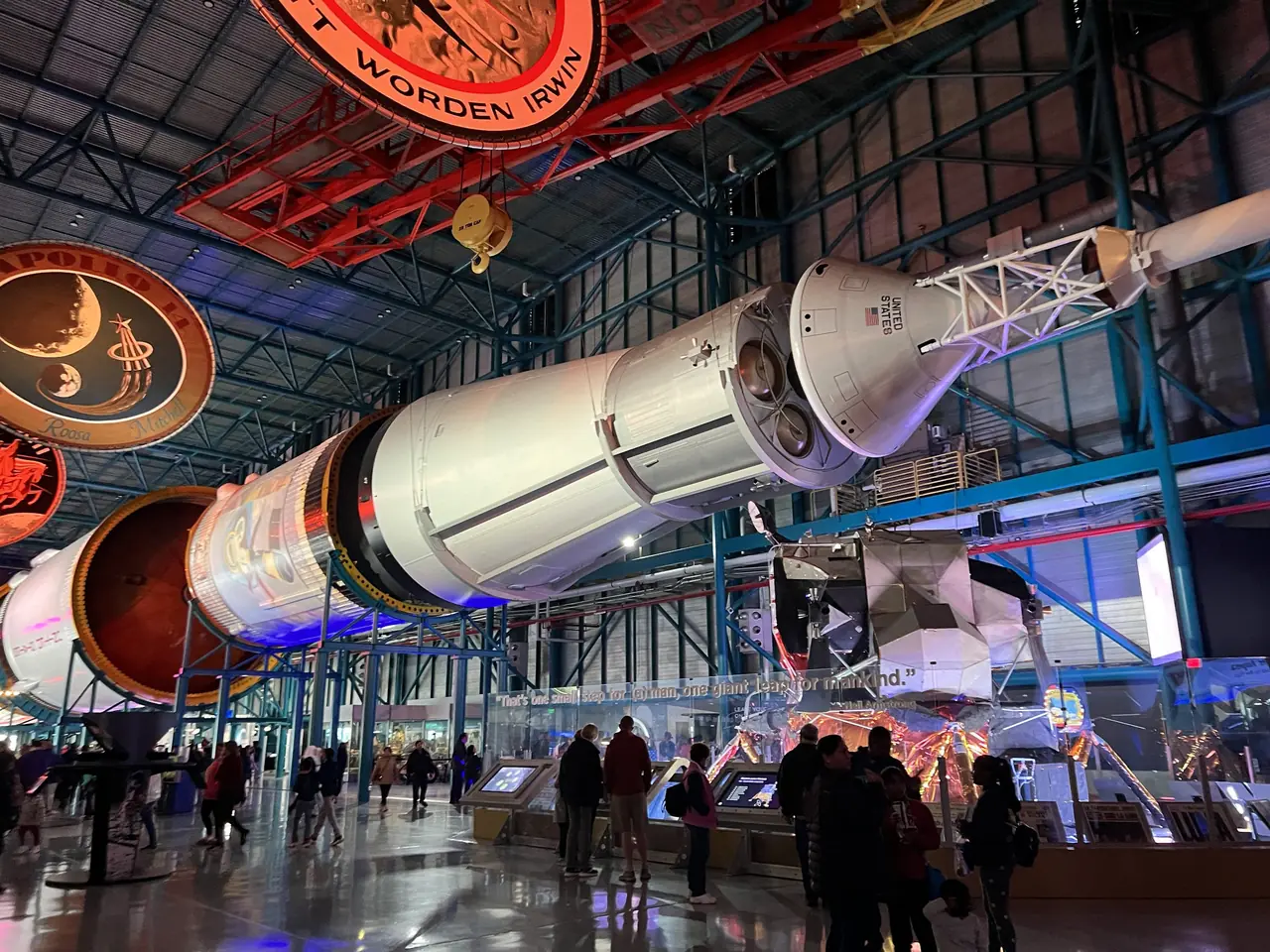
Its history can be read in its buildings. A gigantic hangar, a gravel road for crawling machines and two seaside launch pads were designed for one rocket, the Saturn V, and have been adapted again and again for the vehicles that followed it.
Why Merritt Island
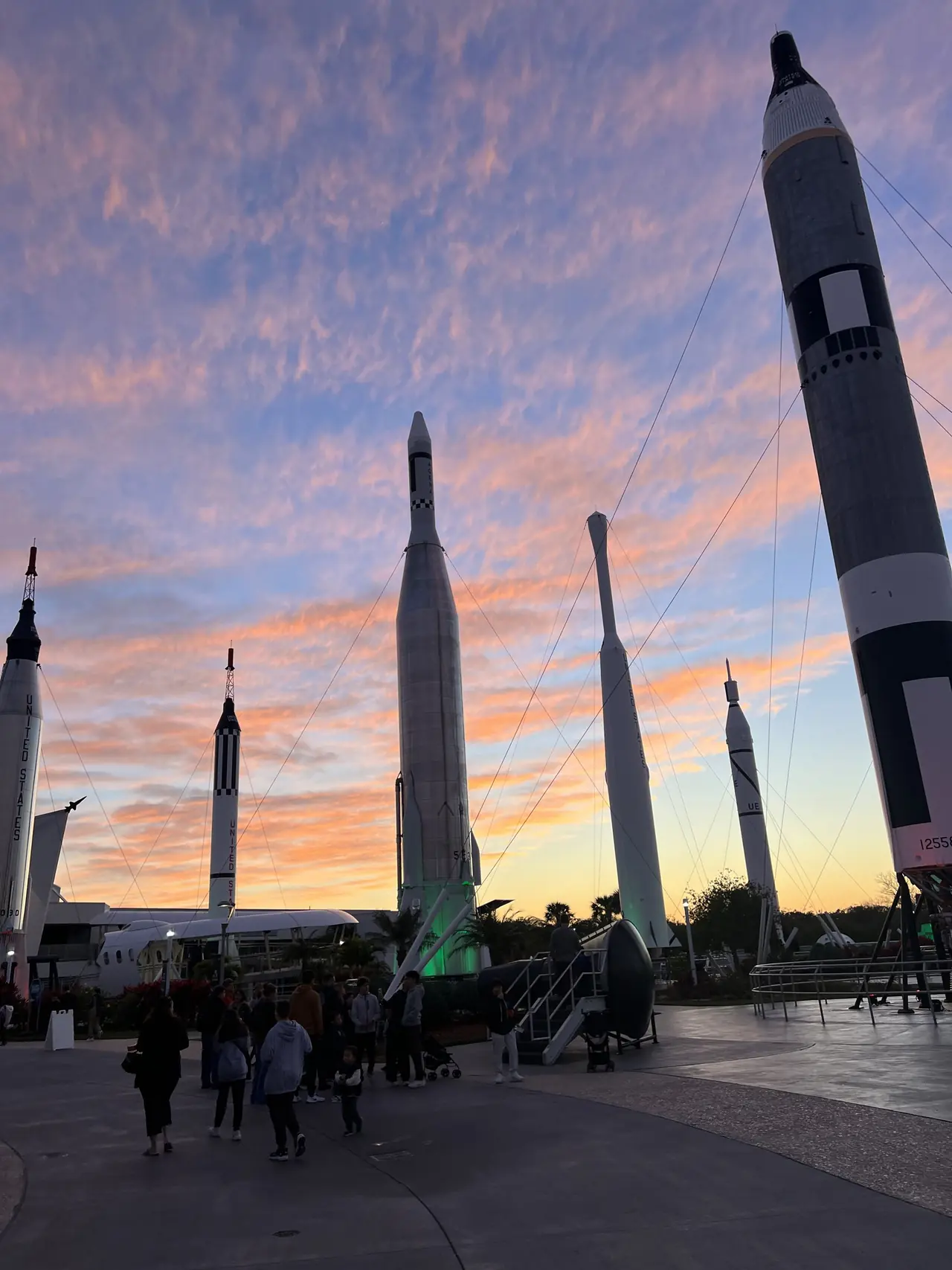
In the 1950s, American rockets were launched from Cape Canaveral, a military range on a narrow strip of coast S3. The Moon program announced in 1961 required much larger rockets, and the existing pads had no room for the facilities they would need S2.
NASA looked at several sites and chose the northern part of Merritt Island, just west and north of the Cape S3. The location allowed the same launch team to keep working at Cape Canaveral while building the new spaceport next door, and it offered the eastward launch path over the ocean that rockets need S3.
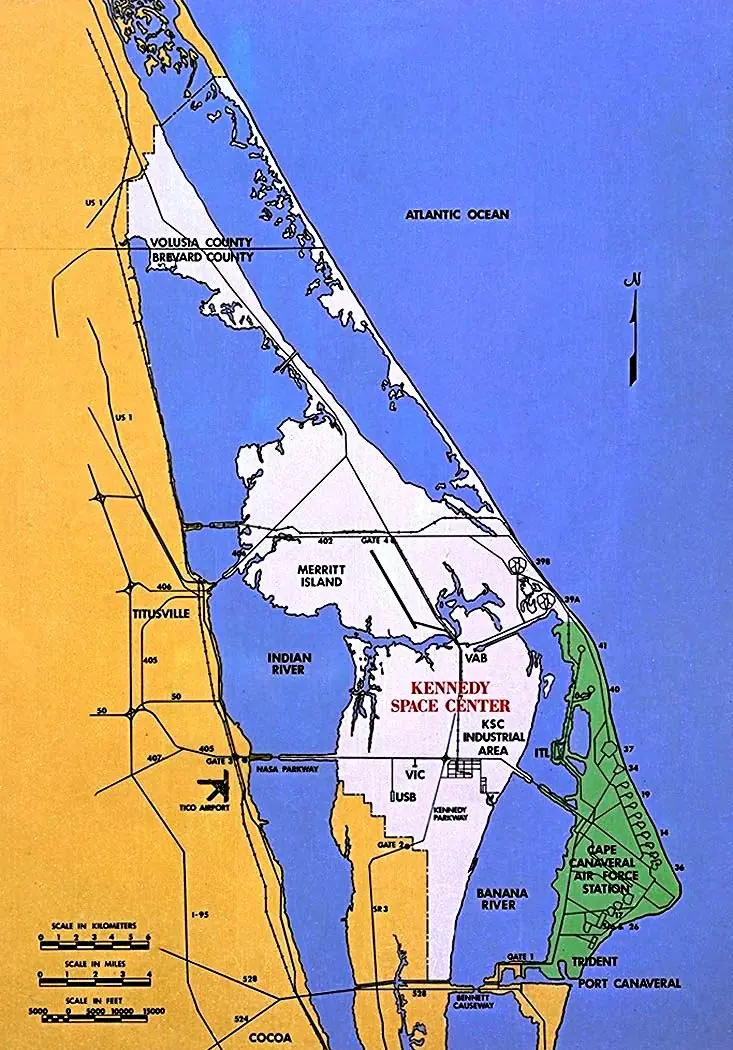

Land acquisition began in 1962 and lasted years: NASA bought about 131 square miles and negotiated with the state of Florida for another 87 S2. Much of that land was farmland, especially citrus groves, which were purchased by the middle of 1963 S2. Small communities and orange plantations gave way to roads, power lines and construction sites in only a few years.
From launch office to Kennedy Space Center
The new base began as the Launch Operations Directorate, a branch of NASA’s Marshall Space Flight Center in Alabama S2. In July 1962 it became an independent field center with its own name, the Launch Operations Center, and its first director was the engineer Kurt Debus S3.
On 29 November 1963, a week after the assassination of John F. Kennedy, President Lyndon B. Johnson gave the facility its current name S2. The decision linked the spaceport to the president who had committed the United States to landing a man on the Moon before the end of the decade.
Debus introduced the idea that shaped the whole site: rockets would be assembled indoors, far from the pads, and then moved to the coast standing upright S3. That mobile concept explains the layout that visitors still see today.
The Vehicle Assembly Building
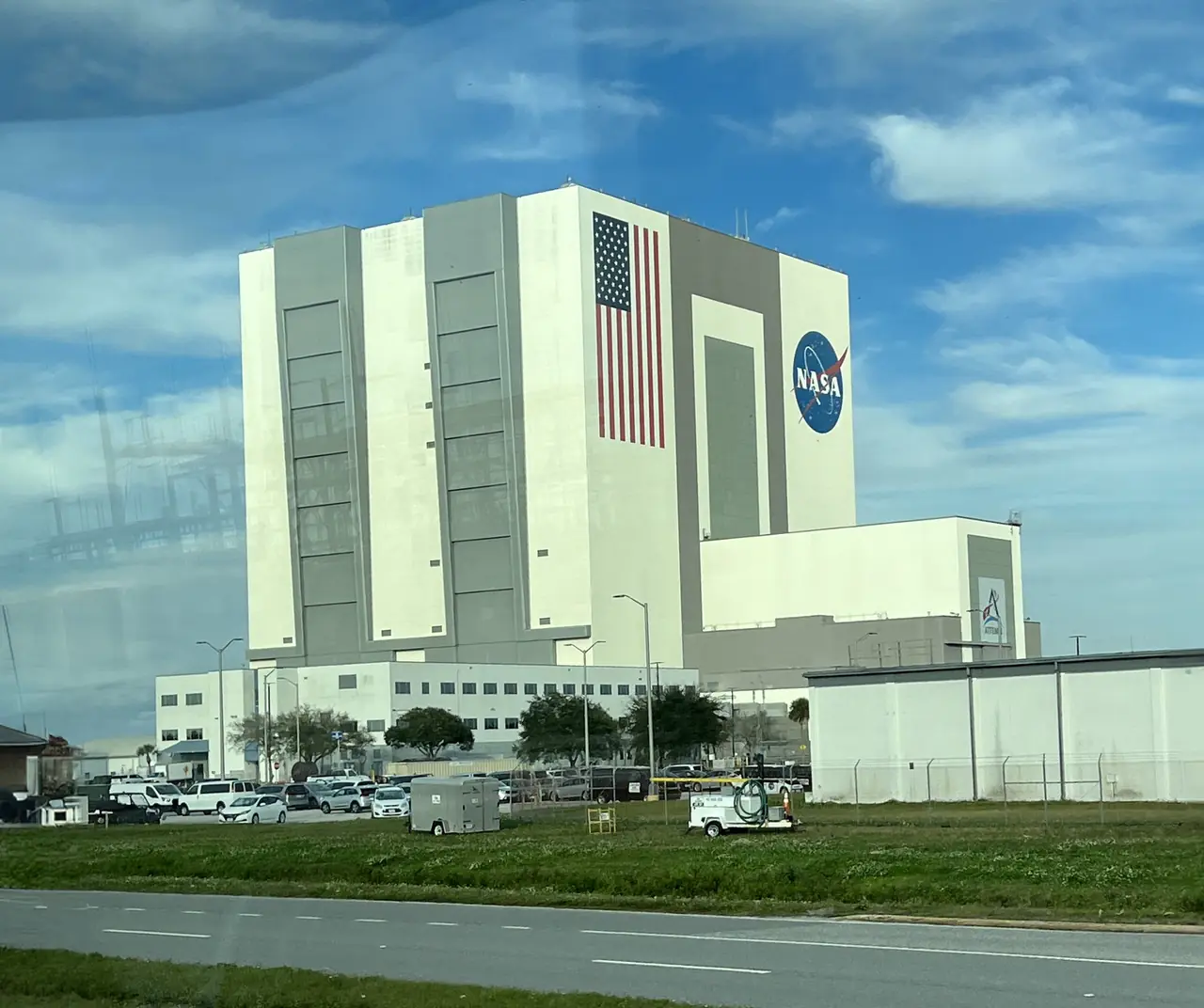
The heart of that system is the Vehicle Assembly Building, a hangar 525 feet tall and 518 feet wide that covers about eight acres S4. When it was completed in 1965, it was one of the largest buildings in the world, with an interior volume of about 129 million cubic feet S4.
Building it on the marshy soil of Merritt Island was a challenge in itself. Work began on 2 August 1963 with the first steel piles, and in total 4,225 piles were driven 164 feet down to bedrock S4.
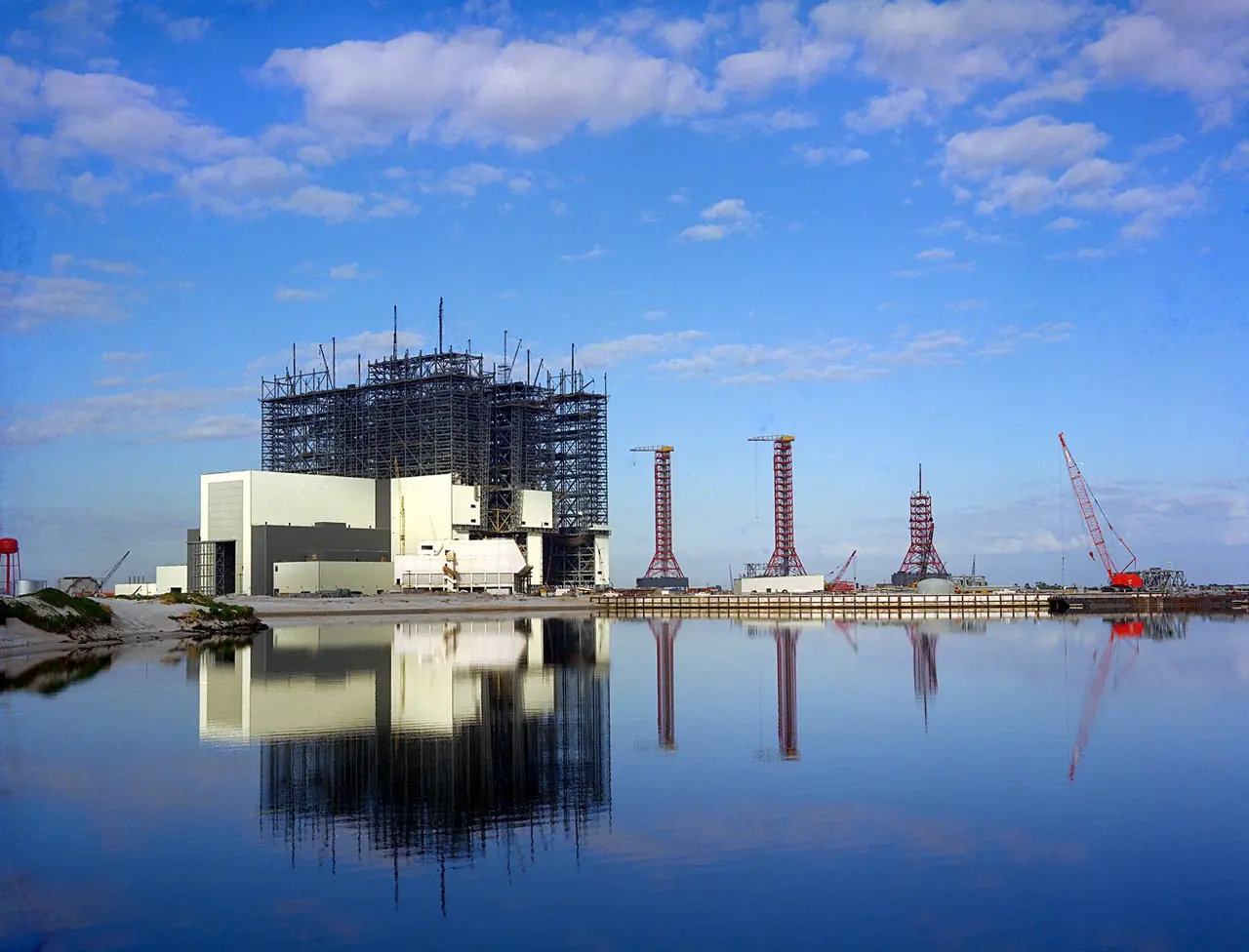
The structure required about 98,590 tons of steel and was topped out in March 1965 S4 S5. Its four high bays were designed so that each could hold a complete Saturn V, assembled vertically on a mobile launch platform S5.
During construction, the building changed its name from Vertical Assembly Building to Vehicle Assembly Building S5. NASA felt that the new name better suited the different kinds of vehicles that might be assembled there in the future, an intuition that the following decades confirmed.
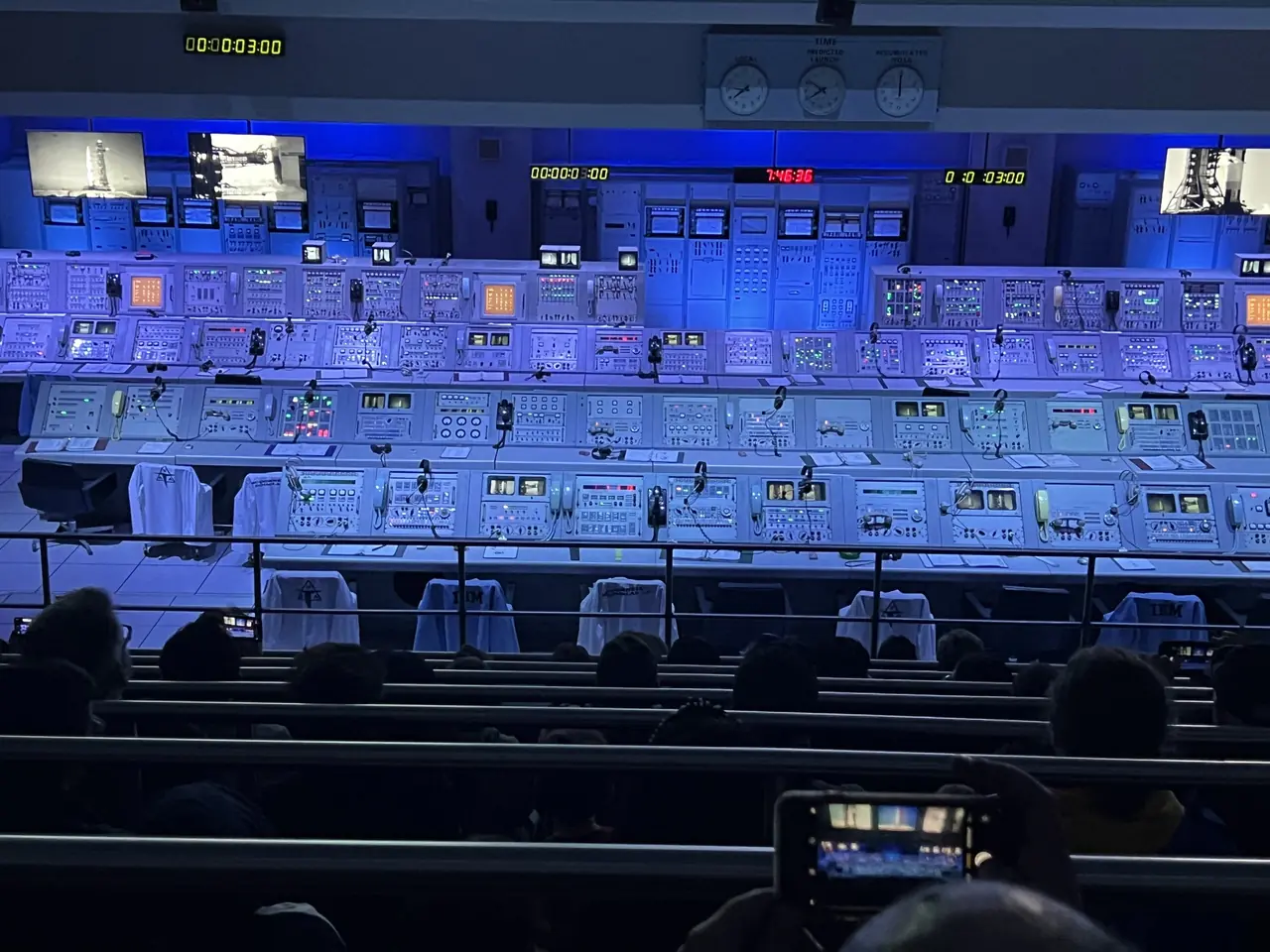
Next to the hangar stands the Launch Control Center, a much lower building whose firing rooms direct the launches from Launch Complex 39 S2. The two buildings were conceived together: one to prepare the rocket, the other to send it into space.
On 26 May 1966, the first Apollo/Saturn V left the Vehicle Assembly Building for a test rollout, watched by Kurt Debus and Wernher von Braun, the engineer responsible for the design of the rocket S3. It was the first time the system worked as a whole, from the hangar to the pad.
The crawlerway and the pads
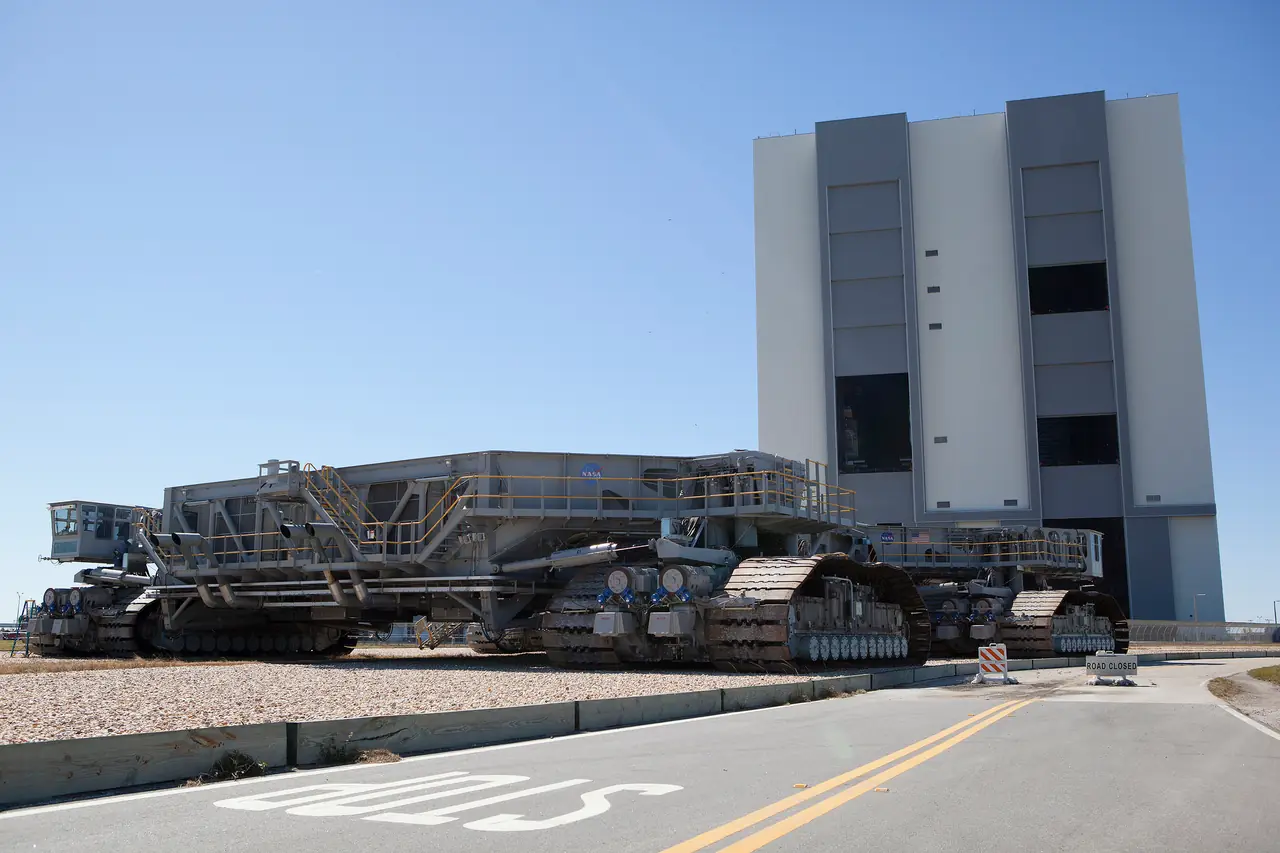
Early plans imagined moving the rockets to the pads on barges along canals S5. Instead, engineers chose enormous tracked vehicles, the crawler-transporters, which carry the launch platform and the rocket along a road of crushed stone called the crawlerway S5.
The crawlerway runs about 3.4 miles to Pad 39A and 4.2 miles to Pad 39B, the two seaside pads of Launch Complex 39 S6. The journey is slow, but it lets the rocket be prepared under cover until shortly before launch.

Apollo, the Shuttle and Artemis
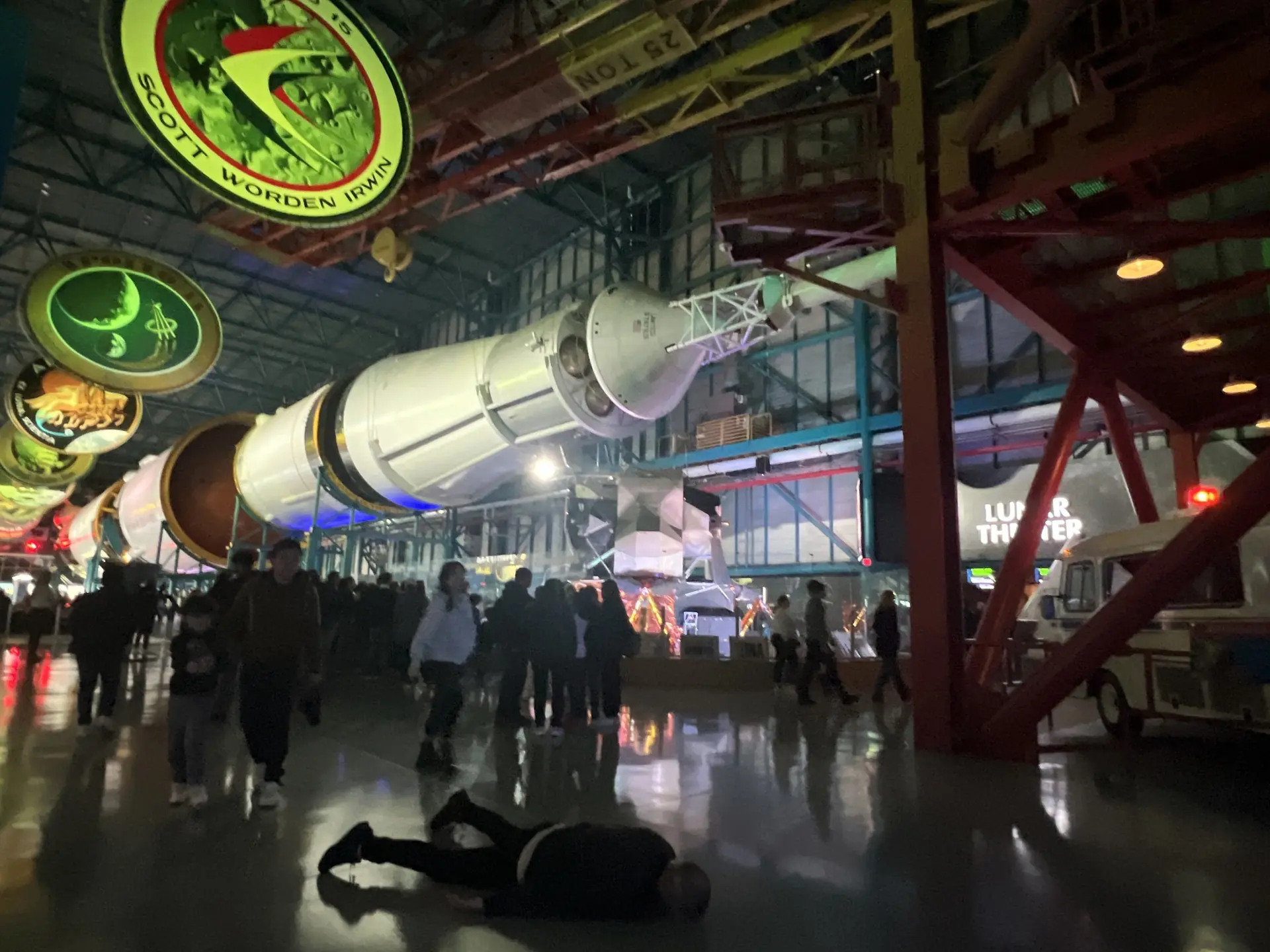
In July 1969, five and a half years after the center received its name, the first crew to walk on the Moon departed from Launch Complex 39 S7. Pad 39B had entered service two months earlier with Apollo 10, the dress rehearsal for the landing S9.
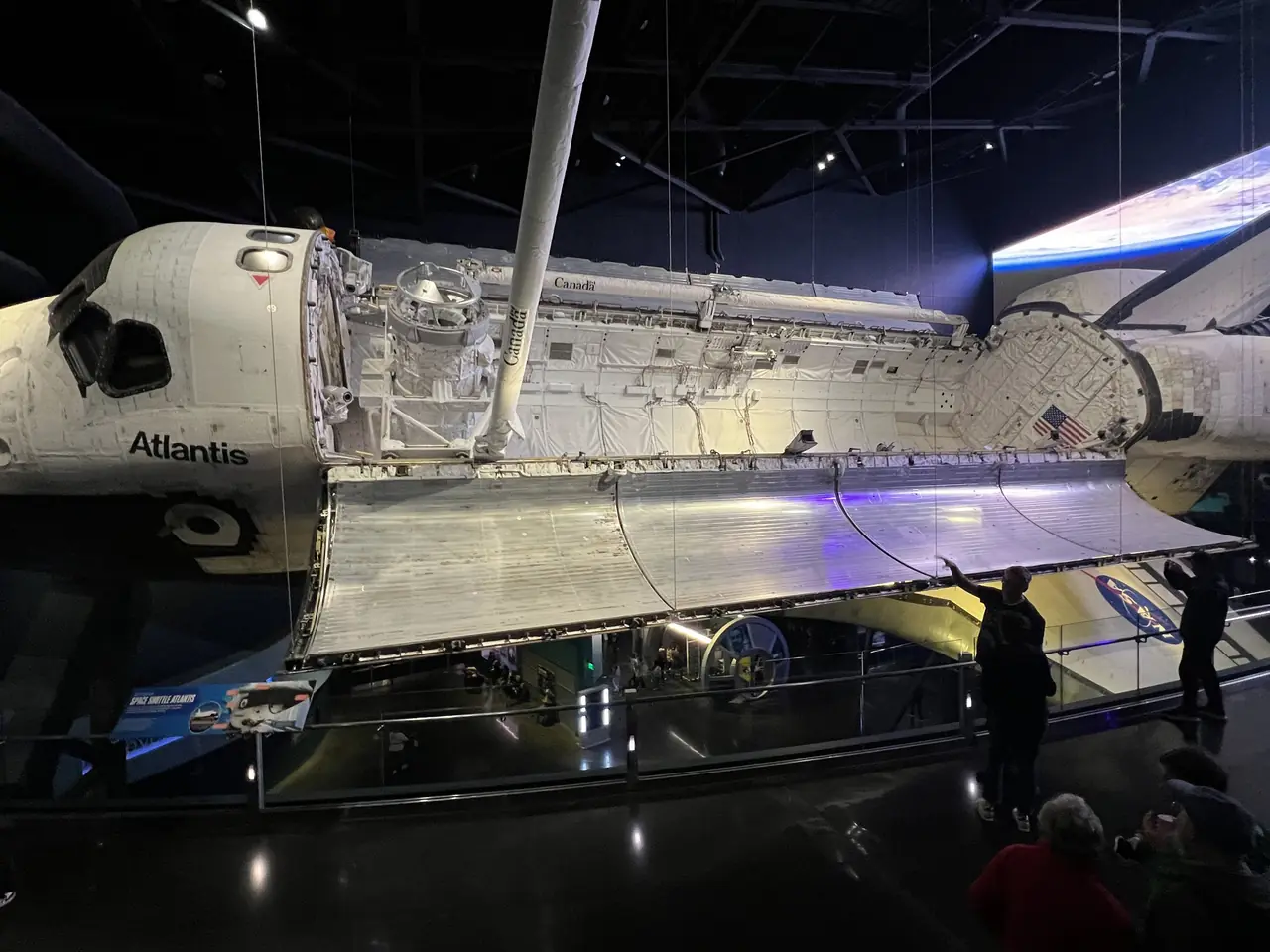
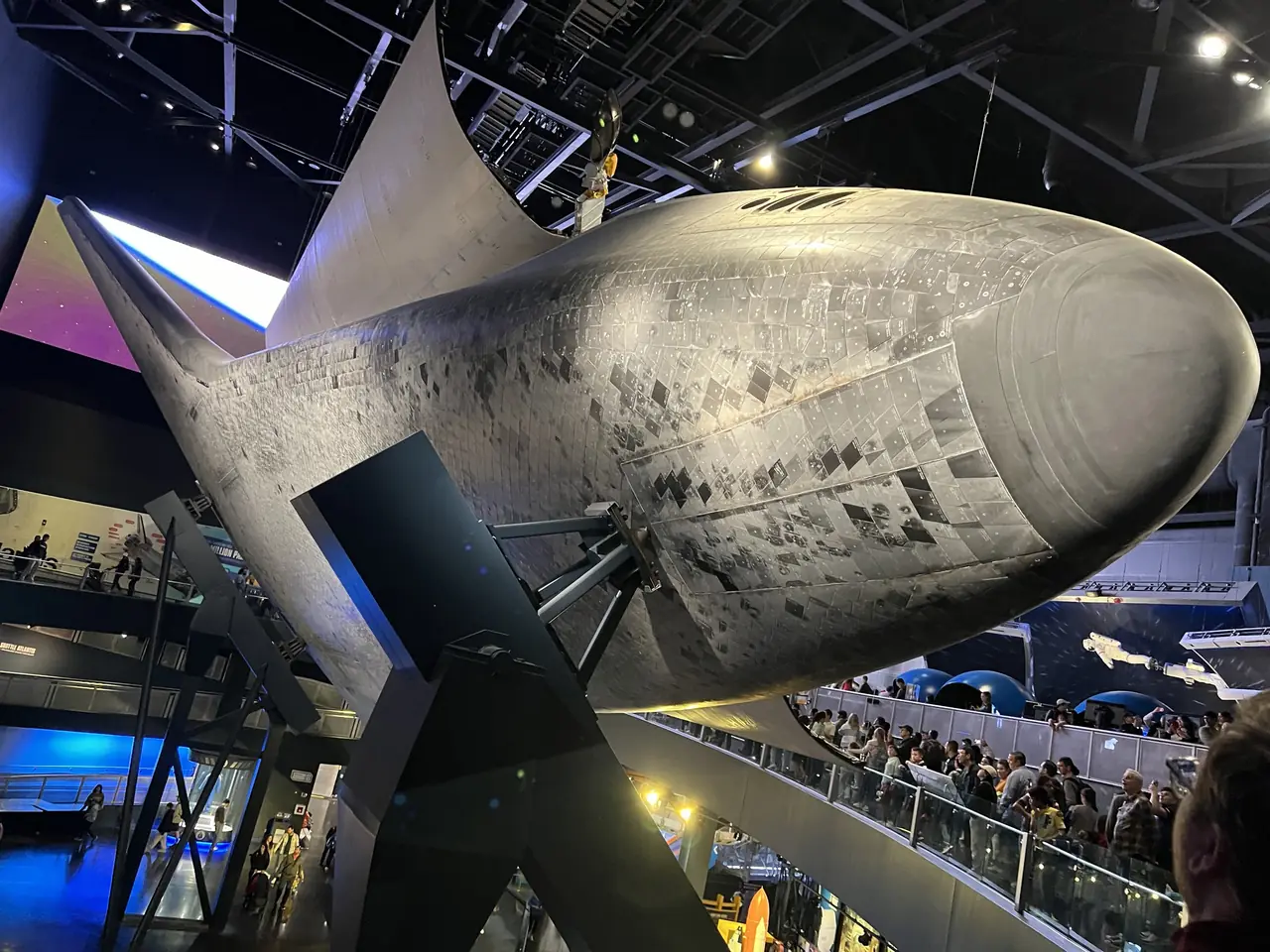
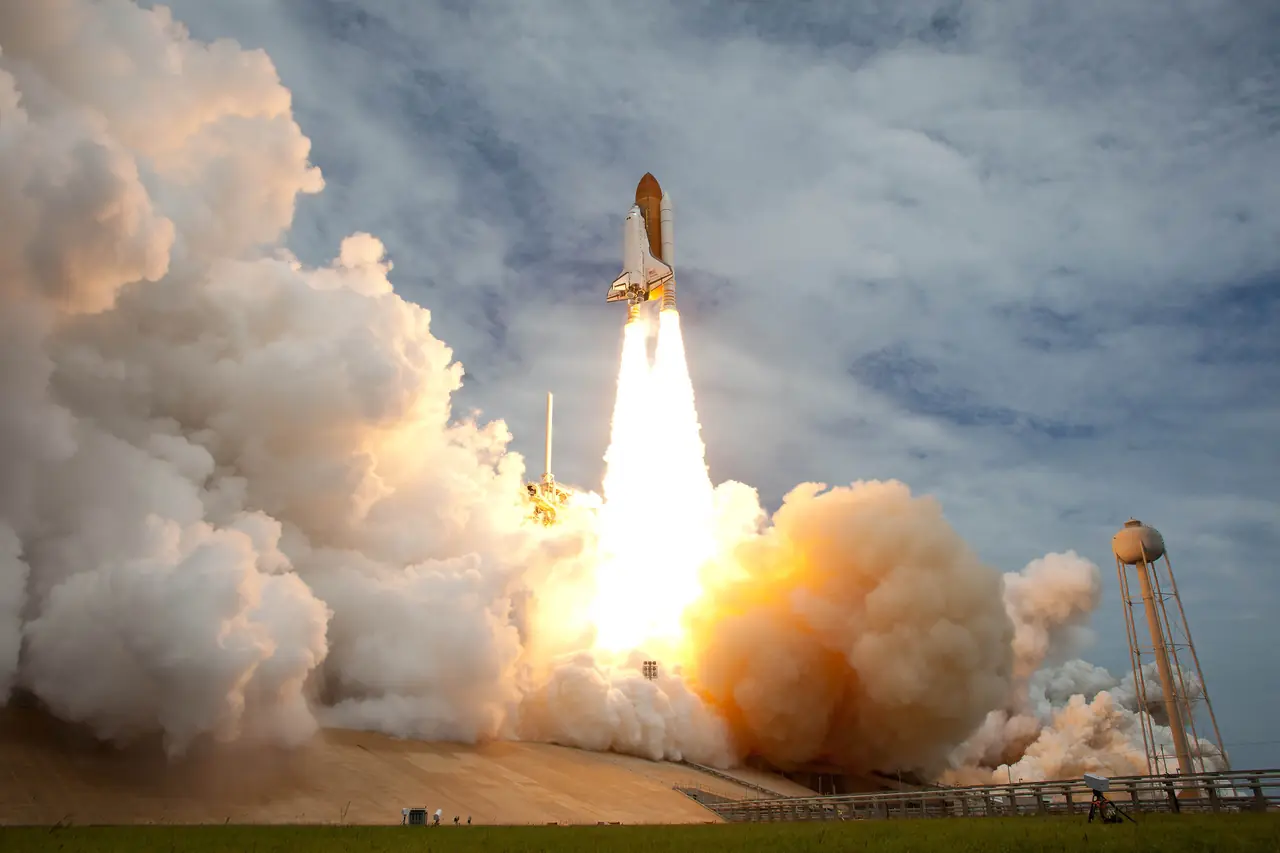
After Apollo, the same buildings were adapted for the Space Shuttle, which flew from Kennedy for three decades. The last shuttle mission, Atlantis on STS-135, lifted off from Pad 39A on 8 July 2011 S8.

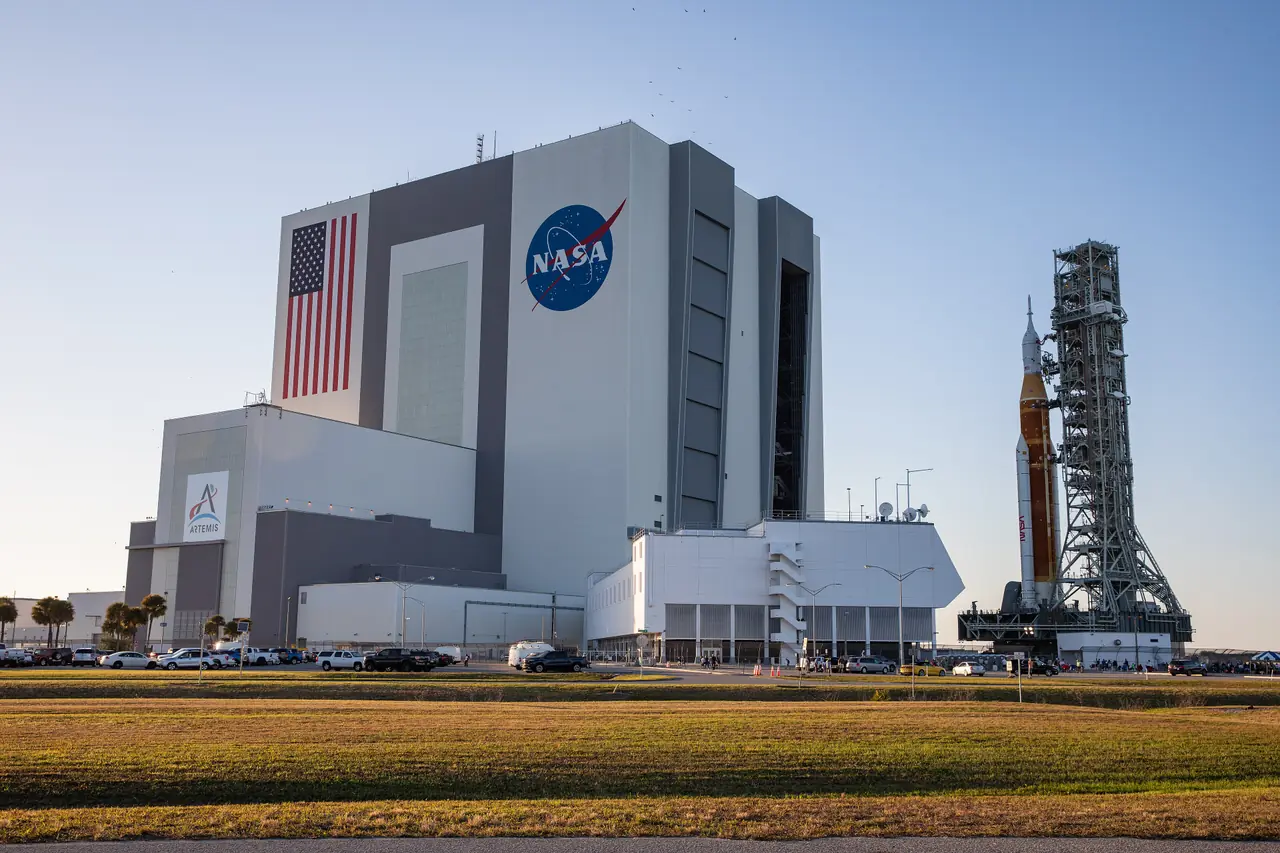
The end of the shuttle opened a new phase. Pad 39B was rebuilt for the Space Launch System, and on 16 November 2022 it launched Artemis I, the uncrewed test flight of NASA’s new Moon program S9.

A spaceport inside a wildlife refuge
Only a small part of Kennedy’s land is needed for launches. In August 1963 NASA and the U.S. Fish and Wildlife Service signed an agreement to manage the rest as the Merritt Island National Wildlife Refuge S12.
Under that agreement, the land and water of the space center serve the space program first and the refuge second S10. The refuge covers about 140,000 acres of marsh, lagoons, dunes and scrub, and it shelters more than 300 bird species, 197 fish species and dozens of mammals, reptiles and amphibians S11.
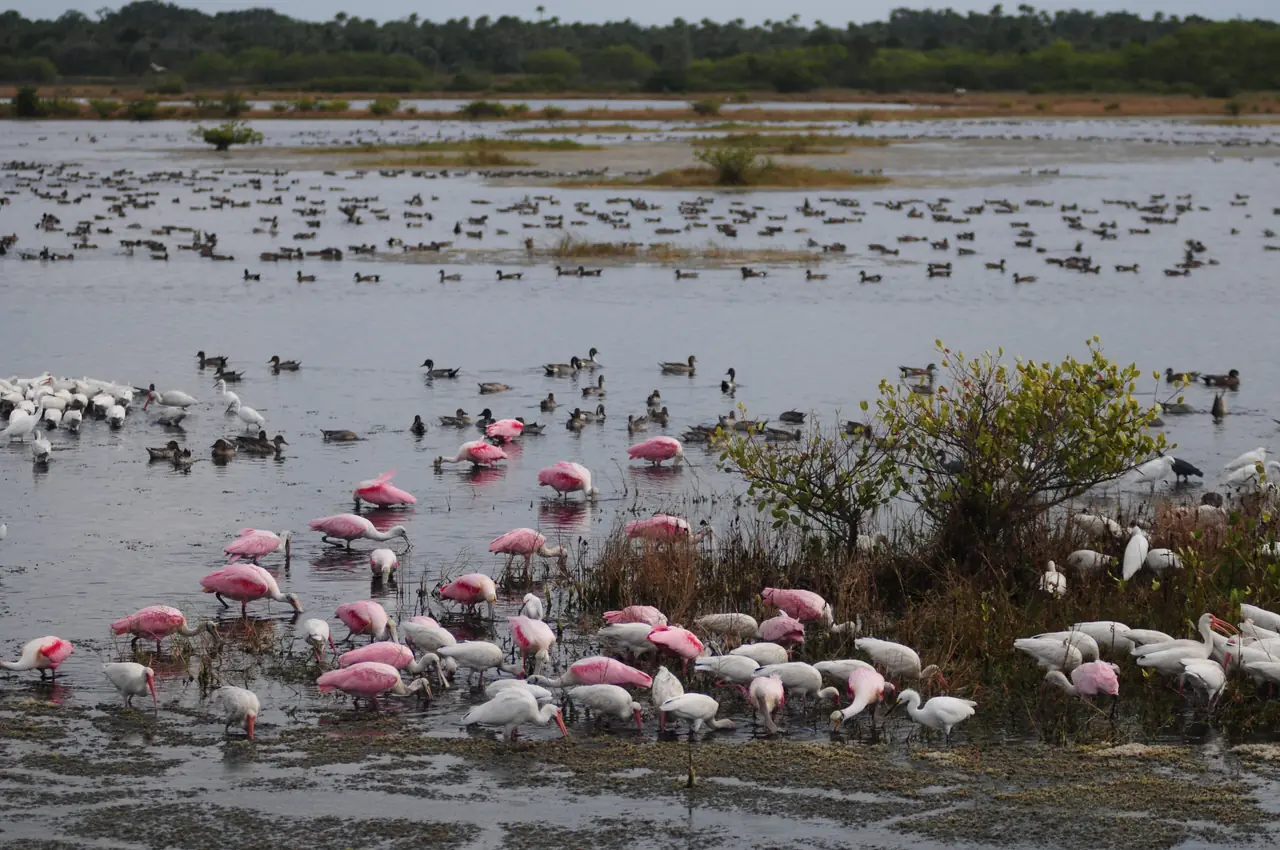

The result is one of the strangest landscapes in the United States. Alligators, manatees and wildflowers share the island with one of the largest buildings in the world and with pads from which people left for the Moon.
Kennedy Space Center today
Kennedy is still a working base and not a museum. Most of its facilities are closed to the public, and visitors see them from the buses of the visitor complex or from viewing areas such as the Banana Creek Launch Viewing Area S2.
Its history shows how a single goal can shape a territory. The buildings designed in a hurry for the Saturn V have outlived the rocket by more than half a century, because they were conceived for a task larger than any one machine.
Frequently asked questions
Why is it called Kennedy Space Center?
It was named after President John F. Kennedy on 29 November 1963, a week after his assassination, by President Lyndon B. Johnson S2.
Is Kennedy Space Center the same as Cape Canaveral?
How big is the Vehicle Assembly Building?
It is 525 feet tall and 518 feet wide, and it covers about eight acres S4.
Which missions have launched from Kennedy?
Sources
- S1 NASA: History of NASA’s spaceport.
- S2 Wikipedia: Kennedy Space Center.
- S3 NASA: America’s Spaceport.
- S4 NASA: Vehicle Assembly Building at Kennedy Space Center.
- S5 SAH Archipedia: Vehicle Assembly Building, Kennedy Space Center.
- S6 Wikipedia: Crawlerway.
- S7 NASA: America’s Spaceport (2003 edition).
- S8 Wikimedia Commons: Final mission of Space Shuttle launches (NASA/Bill Ingalls).
- S9 Wikipedia: Kennedy Space Center Launch Complex 39B.
- S10 U.S. Fish and Wildlife Service: Merritt Island National Wildlife Refuge.
- S11 NASA: What’s blooming at NASA’s Kennedy Space Center.
- S12 Recreation.gov: Merritt Island National Wildlife Refuge.
More in USA