Versailles Restaurant: The Town Square of Cuban Miami
- Local name
- Versailles · Restaurante Versailles
- Type
- Cuban restaurant, café and bakery
- Continent
- America
- Country
- United States
- State
- Florida
- County
- Miami-Dade County
- City
- Miami
- Neighbourhood
- Little Havana
- Location
- 3555 SW 8th Street (Calle Ocho), between SW 35th and 36th Avenues
- Opened
- 1971
- Founder
- Felipe A. Valls Sr.
- Owner
- Valls family
- Recognition
- James Beard Foundation America’s Classics (2001)
- Date
- December 2023
- Photographer
- Héctor Godes
- Published
- February 24, 2024
- Reviewed
- November 13, 2026
- Coordinates
- 25.7650, -80.2528
- More
- Wikipedia
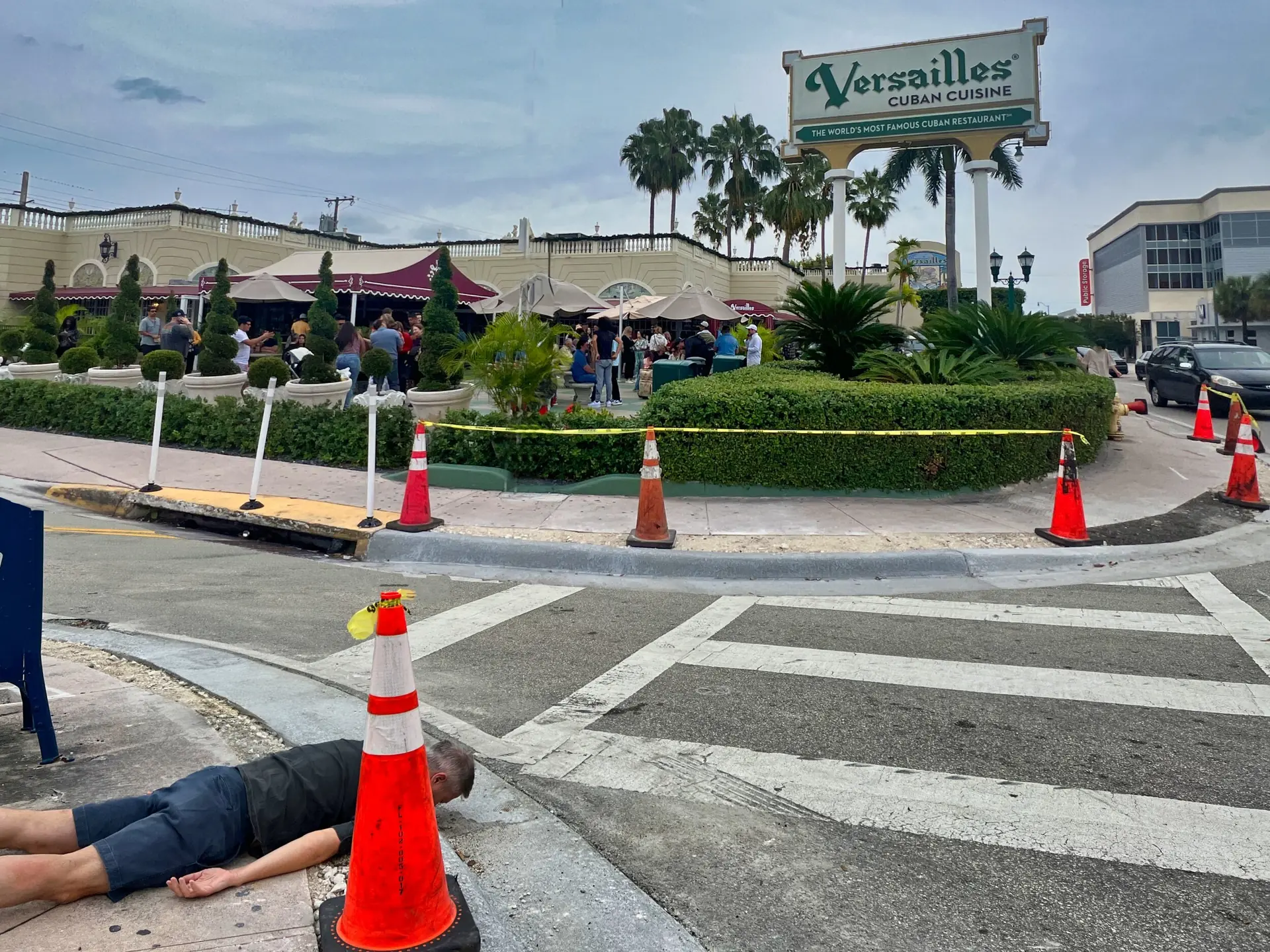
Versailles Restaurant is a Cuban restaurant, café and bakery on Calle Ocho, the main street of Miami’s Little Havana. It opened in 1971 and has spent more than half a century as the best-known meeting place of the Cuban exile community in the United States S2.
Its story connects a family that left Cuba after the revolution, a neighbourhood rebuilt by refugees and a city where politics is often discussed over a small cup of coffee. Understanding Versailles means understanding how a dining room full of mirrors and chandeliers became a public square for an entire diaspora.
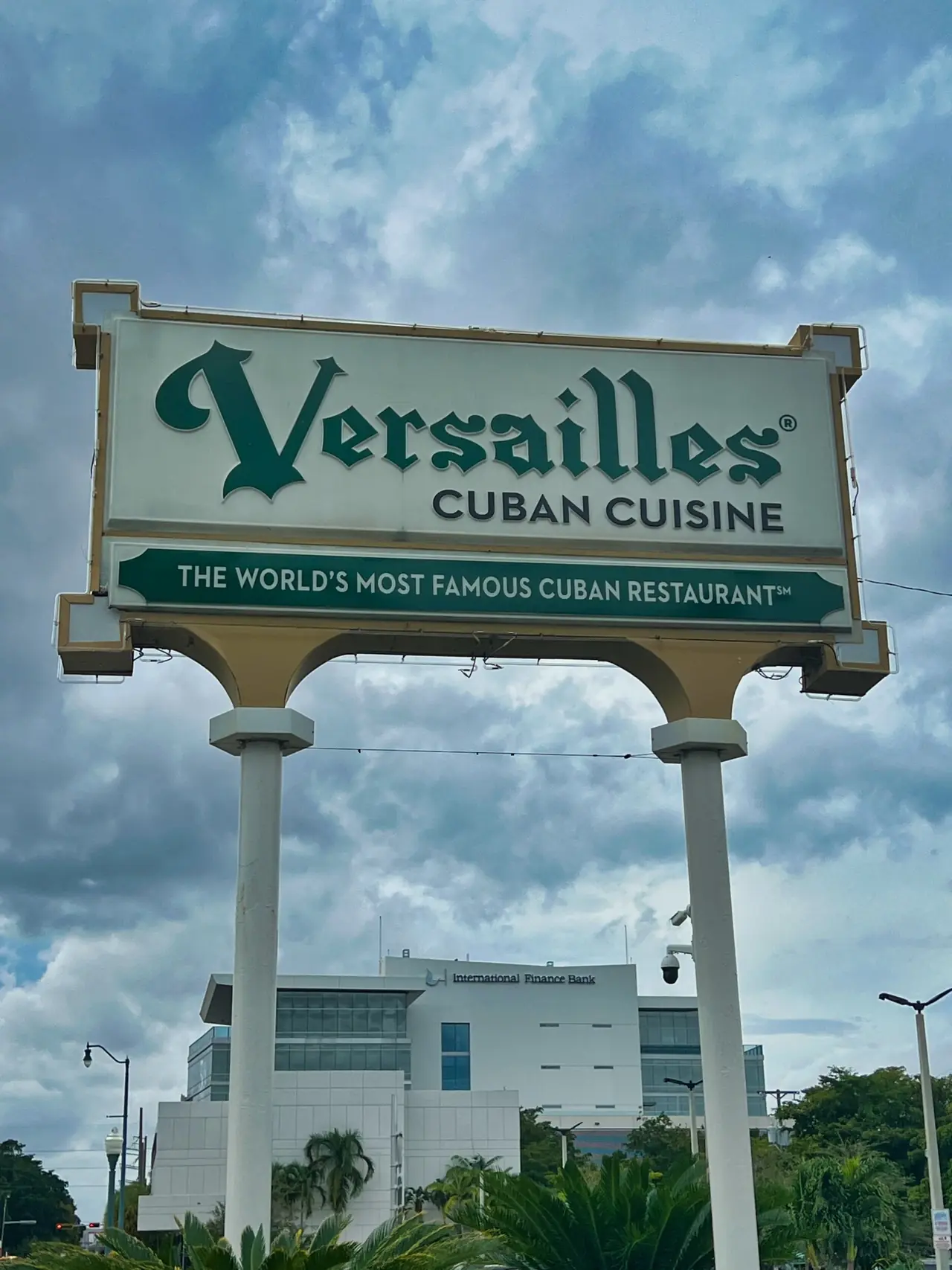
On Calle Ocho
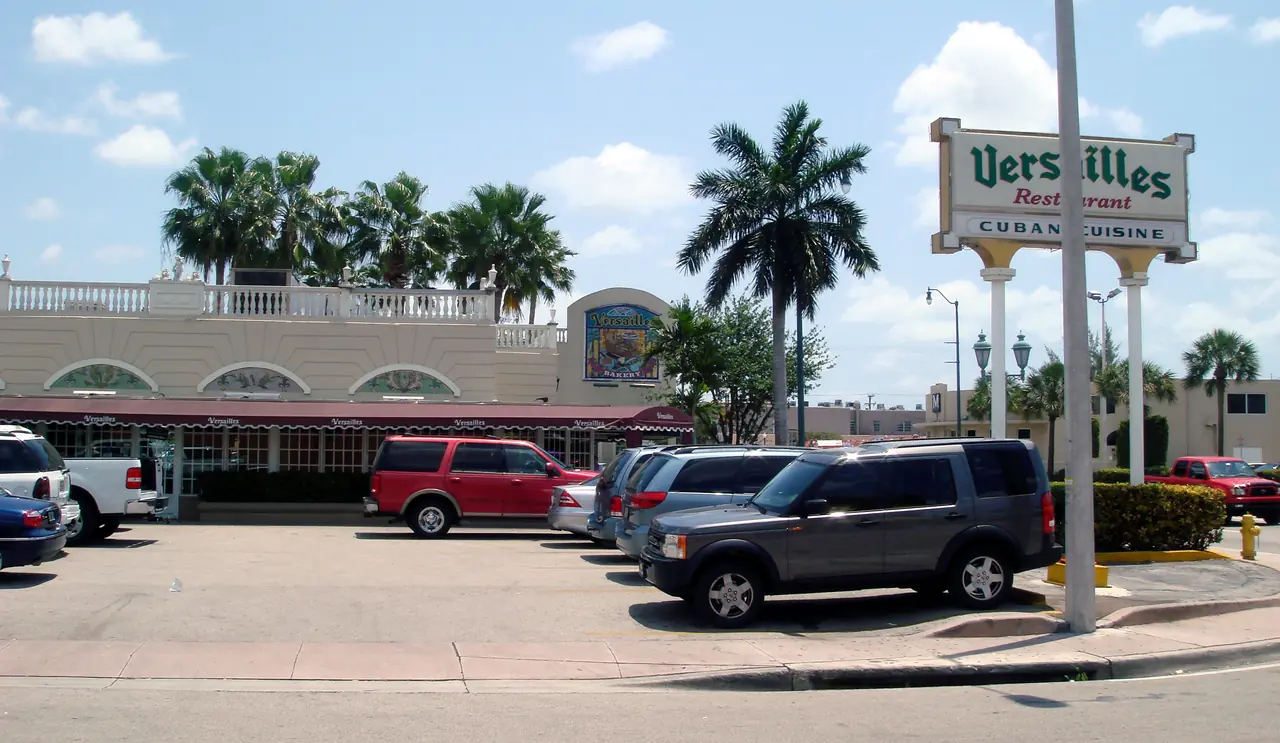
Calle Ocho is the local name of Southwest 8th Street, part of the historic Tamiami Trail that links Miami with the west coast of Florida S2. Versailles occupies the block between Southwest 35th and 36th Avenues, with the restaurant and its bakery side by side S2.
Little Havana took shape after 1959, when tens of thousands of Cubans arrived in Miami fleeing the government of Fidel Castro. Exiles settled around Calle Ocho and turned it into a Spanish-speaking district of cigar shops, bakeries, restaurants and outdoor domino tables S3.
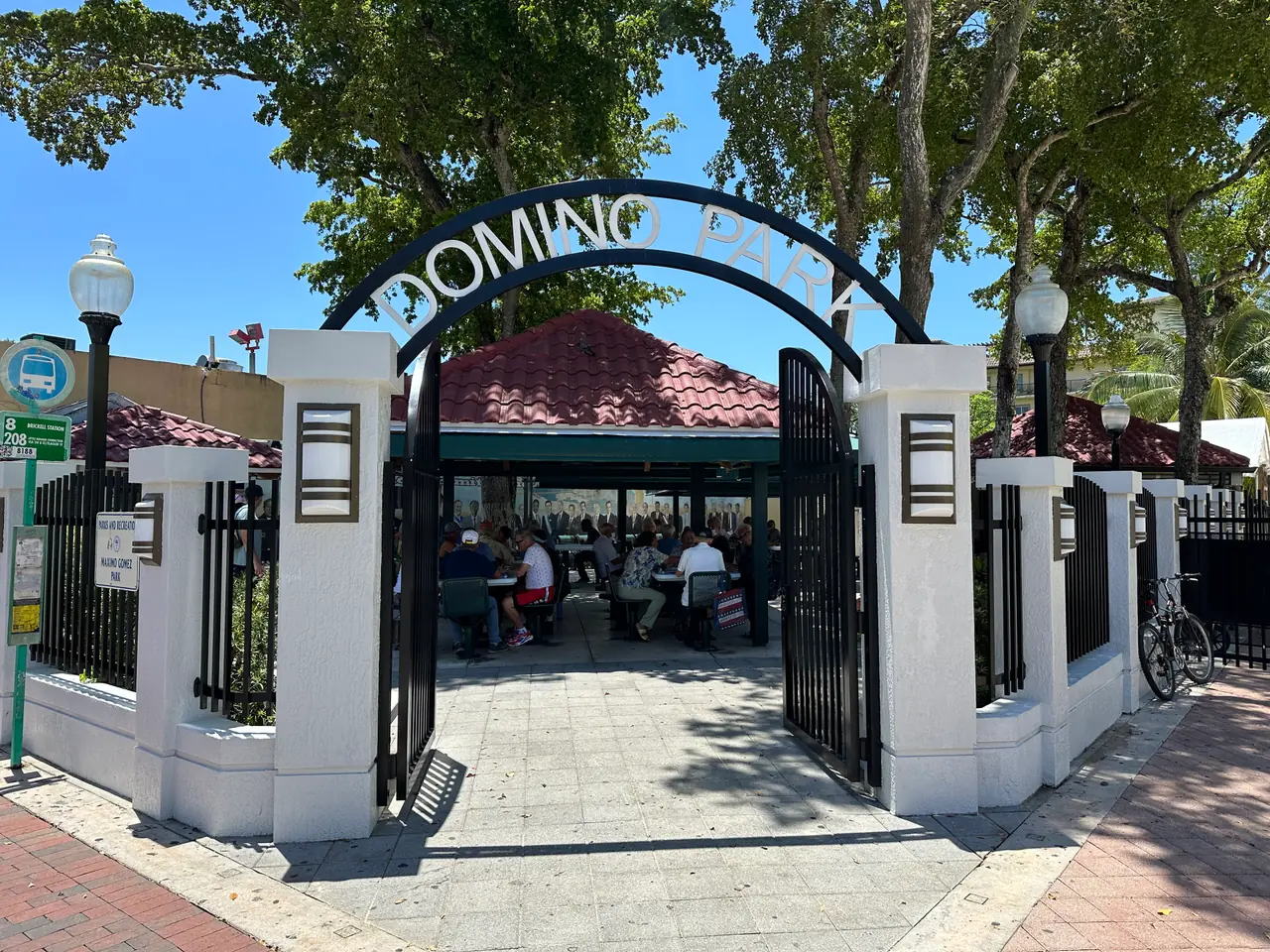

Versailles stands on the western stretch of Little Havana, far from the old downtown. When it opened, friends and relatives of its founder considered the site too far west to attract steady customers S1. Time proved them wrong, as Cuban families moved west and the restaurant became a fixed point of the neighbourhood.
The founder
Felipe A. Valls Sr. was born on 8 March 1933 in Santiago de Cuba, where he owned petrol stations, a restaurant, a supper club and car parts dealerships S1. After the revolution, the new government confiscated his family’s businesses, and in 1960 he arrived in Miami S6.
His first years in exile followed a path shared by many refugees. He worked for a restaurant equipment company in downtown Miami, designing kitchens, installing refrigeration and repairing appliances salvaged from closed restaurants S1. By 1963 he was selling used restaurant equipment and importing espresso machines S1.
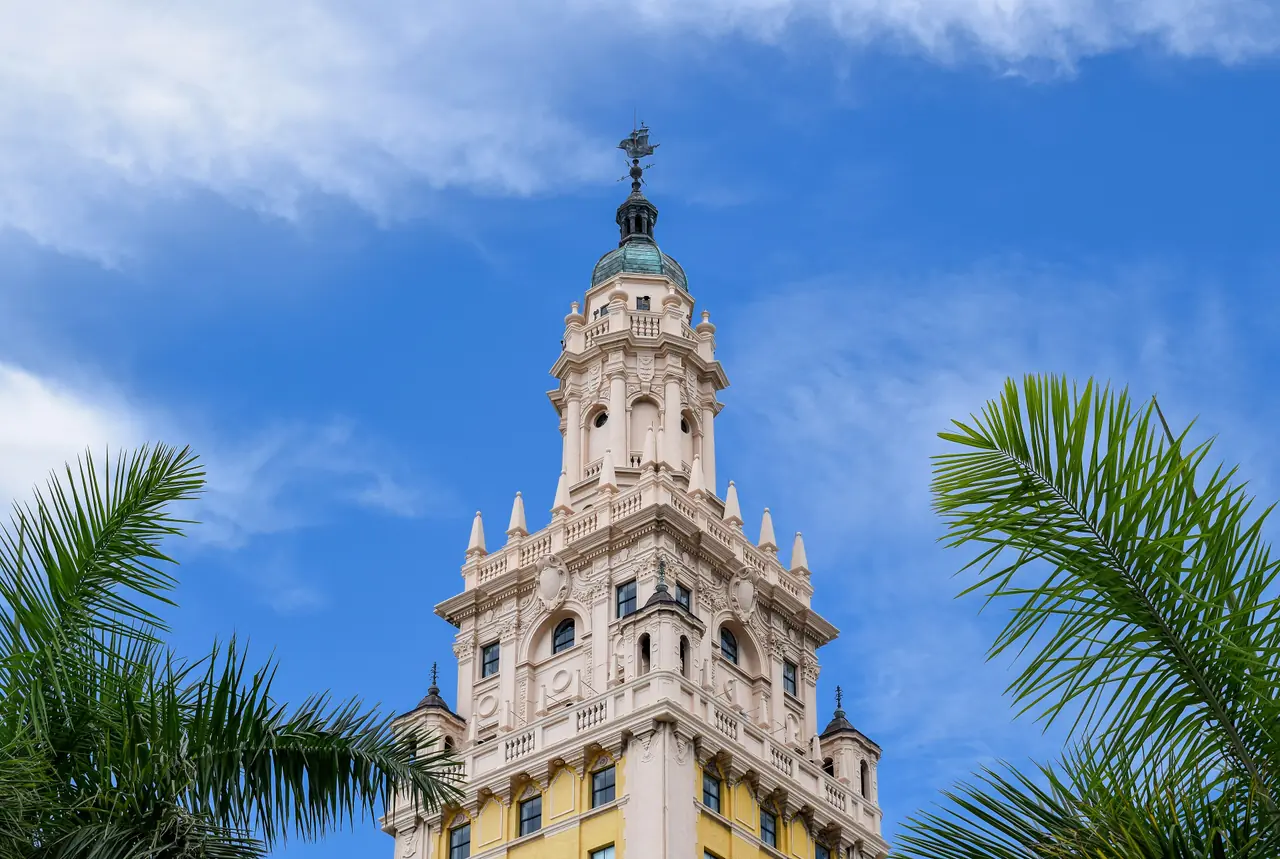
The official response to the Cuban exodus also shaped that generation. From 1962 to 1974 the Freedom Tower, on Biscayne Boulevard, housed the Cuban Assistance Center, which offered federal relief to refugees and earned the building the nickname of the Ellis Island of the South S4.

Valls bought and later sold Badia’s, a restaurant in Little Havana, to raise the capital for his own project S1. Versailles opened in 1971, and his son Felipe Valls Jr., then a teenager, started there as a busboy and waiter S1. Valls Sr. went on to found more than 40 other restaurants and died in November 2022, at the age of 89 S1.
A French name in Miami
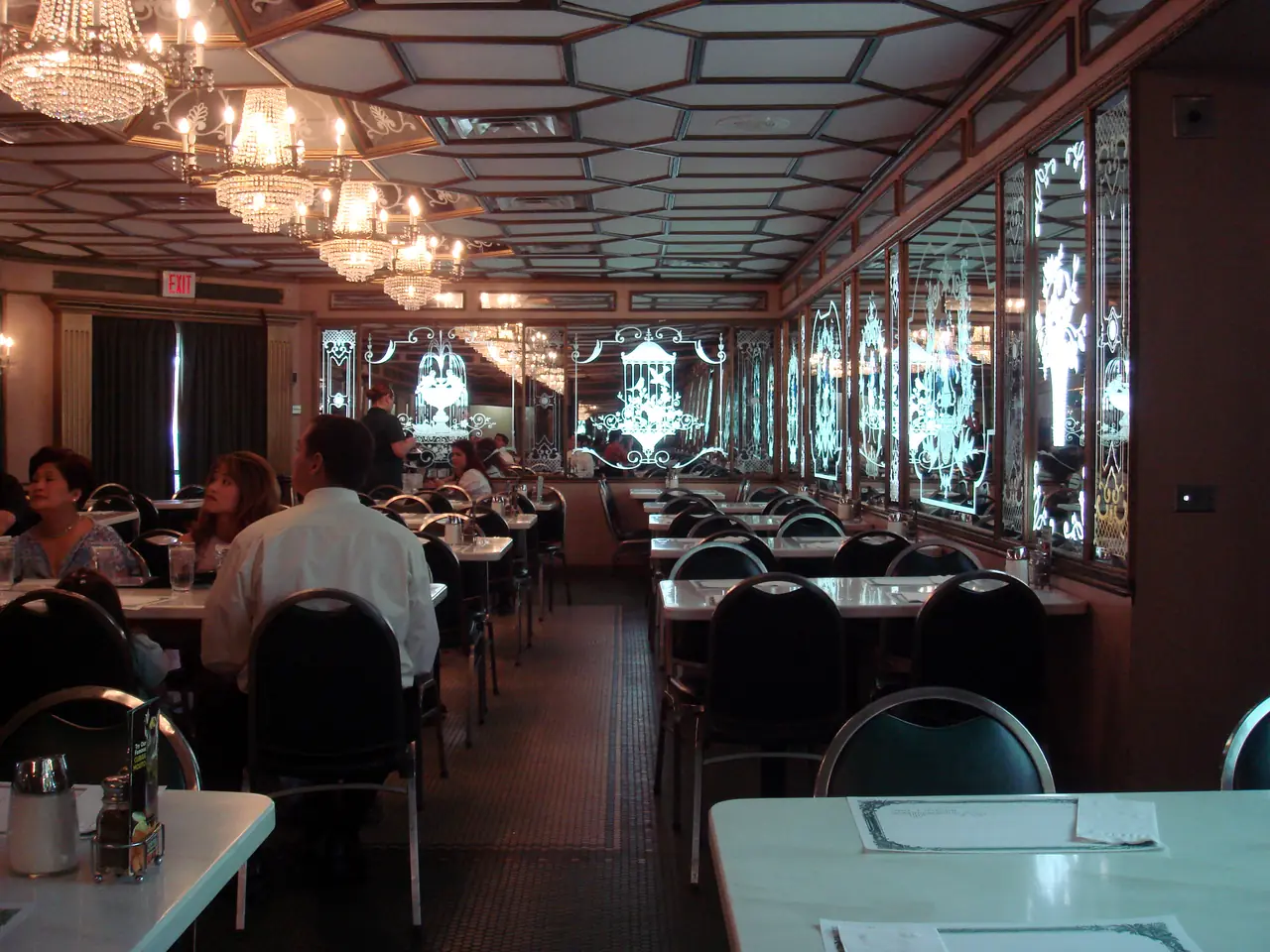
The name surprises visitors who expect a Cuban restaurant to evoke Havana rather than a French royal palace. When Valls prepared the dining room in the early 1970s, he hired an interior designer, and the large etched mirrors and statuettes reminded him of the Hall of Mirrors at the Palace of Versailles S3.
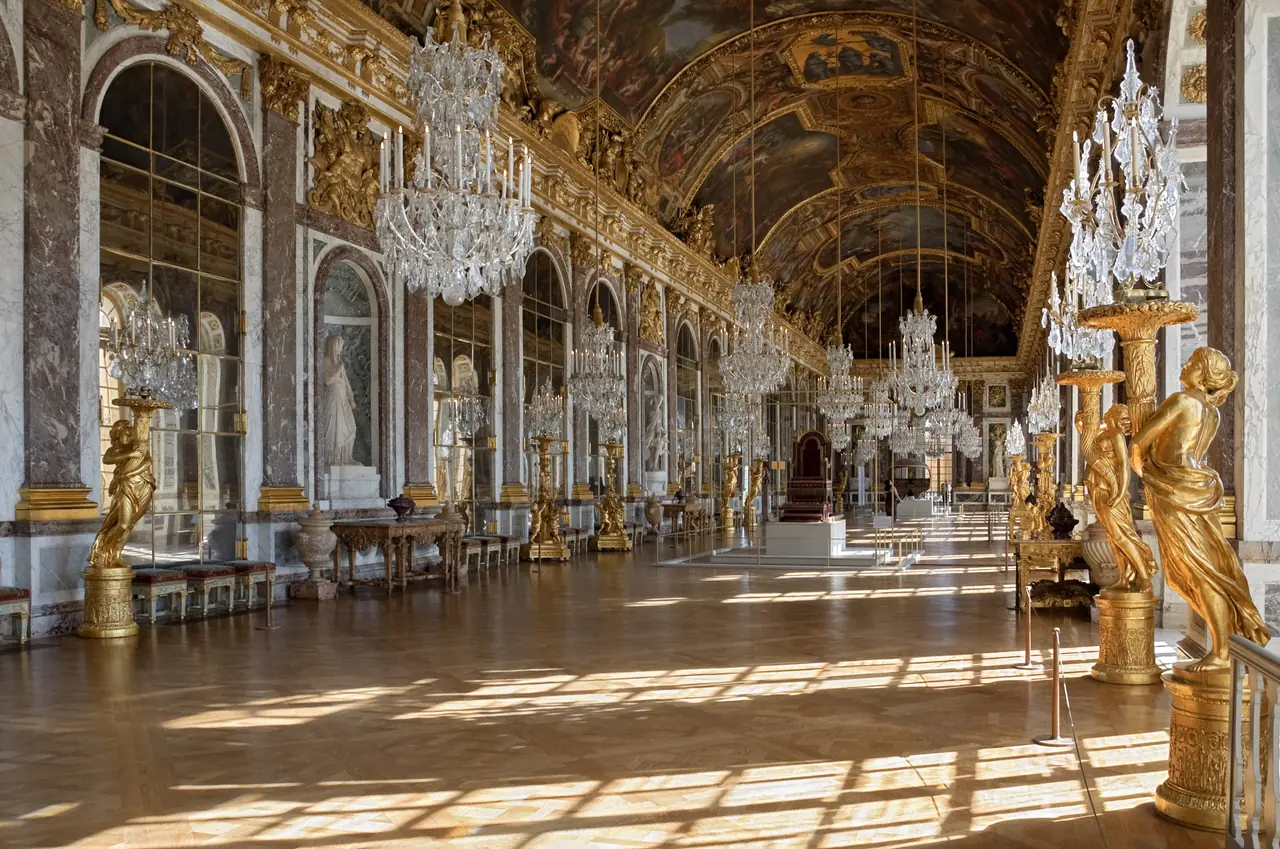

The resemblance is a matter of mood, not of scale. The dining room combines etched-glass mirrors, chandeliers, green chairs and hexagonal floor tiles, a décor much closer to a 1970s Miami interior than to the court of Louis XIV S7.
Even the family admits that the name is not the obvious choice for a Cuban restaurant. Nicole Valls, the founder’s granddaughter and the third generation of the family in the business, has explained that the mirrored look and the name are precisely part of what makes Versailles recognisable S3.

The ventanita
Some of the restaurant’s most important activity happens outside the dining room. The ventanita, a walk-up window facing the street, sells cafecito, cortadito, croquetas and Cuban pastries filled with guava or meat S2.
Valls is credited with inventing this kind of window in Miami S5. He explained that it was born out of necessity: before air conditioning was common, it allowed cafeterias to serve coffee and pastries to customers in the street S1.
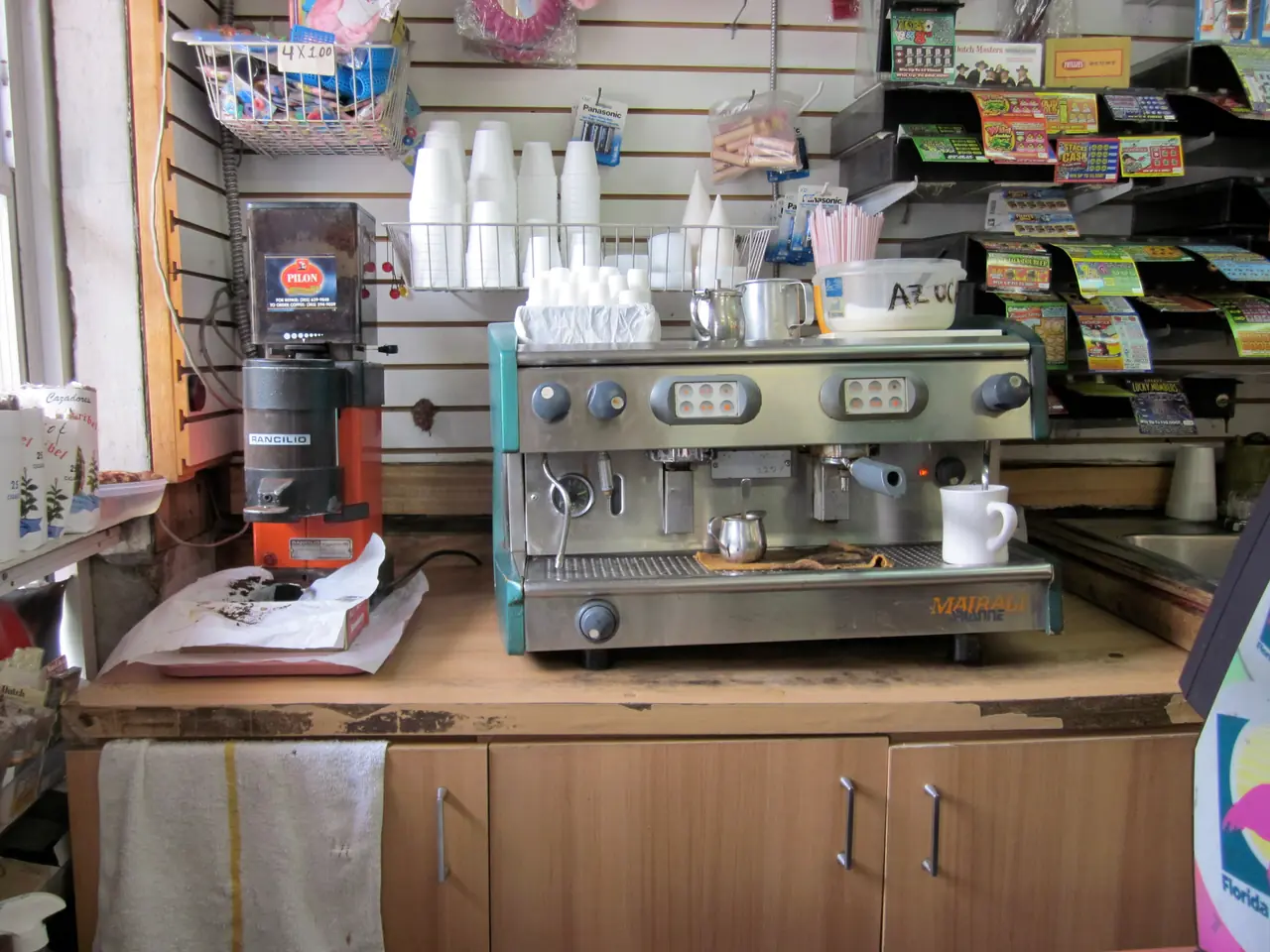

The most social order is the colada, several shots of sweet Cuban espresso in a small cup, served with thimble-sized cups so that it can be shared S5. At the window, strangers and regulars share coffee and opinions, which explains why candidates and television crews looking for the community’s reaction to news from Cuba so often go there S3.

Cuban home cooking
The main dining room serves the dishes that Cuban families brought into exile. The menu includes ropa vieja, shredded beef stewed with tomato, peppers and onion, as well as moros (black beans cooked with rice), palomilla steak, fried sweet plantains called maduros, tasajo, yuca croquettes, tamal en cazuela and milanesa S2.
The owners describe their food as grandmother’s cooking, built on family recipes rather than culinary innovation S6. The bakery next door, with its own counter, extends that tradition with pastelitos and cakes S7.
In 2001 the James Beard Foundation recognised Versailles with its America’s Classics award, a distinction for long-established regional restaurants S2. Food critics do not always agree on the quality of its cooking today, but they rarely dispute its importance for the city S7.
The exiles’ town square
Since the 1970s Versailles has worked as the unofficial town square of the Cuban exile community S2. Anti-Castro groups meet there, and journalists go there when they want to gauge the reaction of Cuban Miami to events on the island S2.
Several moments made that role visible. When Fidel Castro was hospitalised in August 2006, news media set up a small tent city outside the restaurant S2. When his death was announced in the early hours of 26 November 2016, crowds celebrated for hours in front of Versailles S2.

Versailles today
More than fifty years after it opened, Versailles is still run by the Valls family, led by Felipe Valls Jr. together with relatives of the third generation S1. Its name has also travelled to coffee counters at Miami International Airport and at Hard Rock Stadium S3.
Among the regulars are groups who have shared the same table for decades, a continuity the family compares to a social club S3. For a community that left its country with very little, these daily rituals help preserve a shared memory of Cuba S6.
The family has said it hopes to open a Versailles in Havana one day S3. Until then, the restaurant on Calle Ocho remains a reminder that exile also built its own landmarks, made of coffee, mirrors and conversation.
Frequently asked questions
When did Versailles Restaurant open?
Versailles opened in 1971 on Calle Ocho, in the Little Havana neighbourhood of Miami S2.
Who founded Versailles?
Why is it called Versailles?
The etched mirrors chosen for the dining room reminded the founder of the Hall of Mirrors at the Palace of Versailles, in France S3.
What is the ventanita?
It is the restaurant’s walk-up window, where customers order Cuban coffee, croquetas and pastries without sitting down S2.
Sources
- S1 Miami Herald: Felipe Valls Sr., founder of landmark Versailles Cuban restaurant in Miami, dies at 89.
- S2 Wikipedia: Versailles (restaurant).
- S3 Culture Trip: Versailles, the most famous Cuban restaurant in Little Havana.
- S4 National Park Service: Freedom Tower, Florida.
- S5 Lonely Planet: 7 best spots to sip Cuban coffee in Miami.
- S6 elDiario.es: Versailles, 50 years of culinary memory and Cuban exile history.
- S7 The Infatuation: Versailles review.
More in USA