Coney Island: The Story of New York’s Playground by the Sea
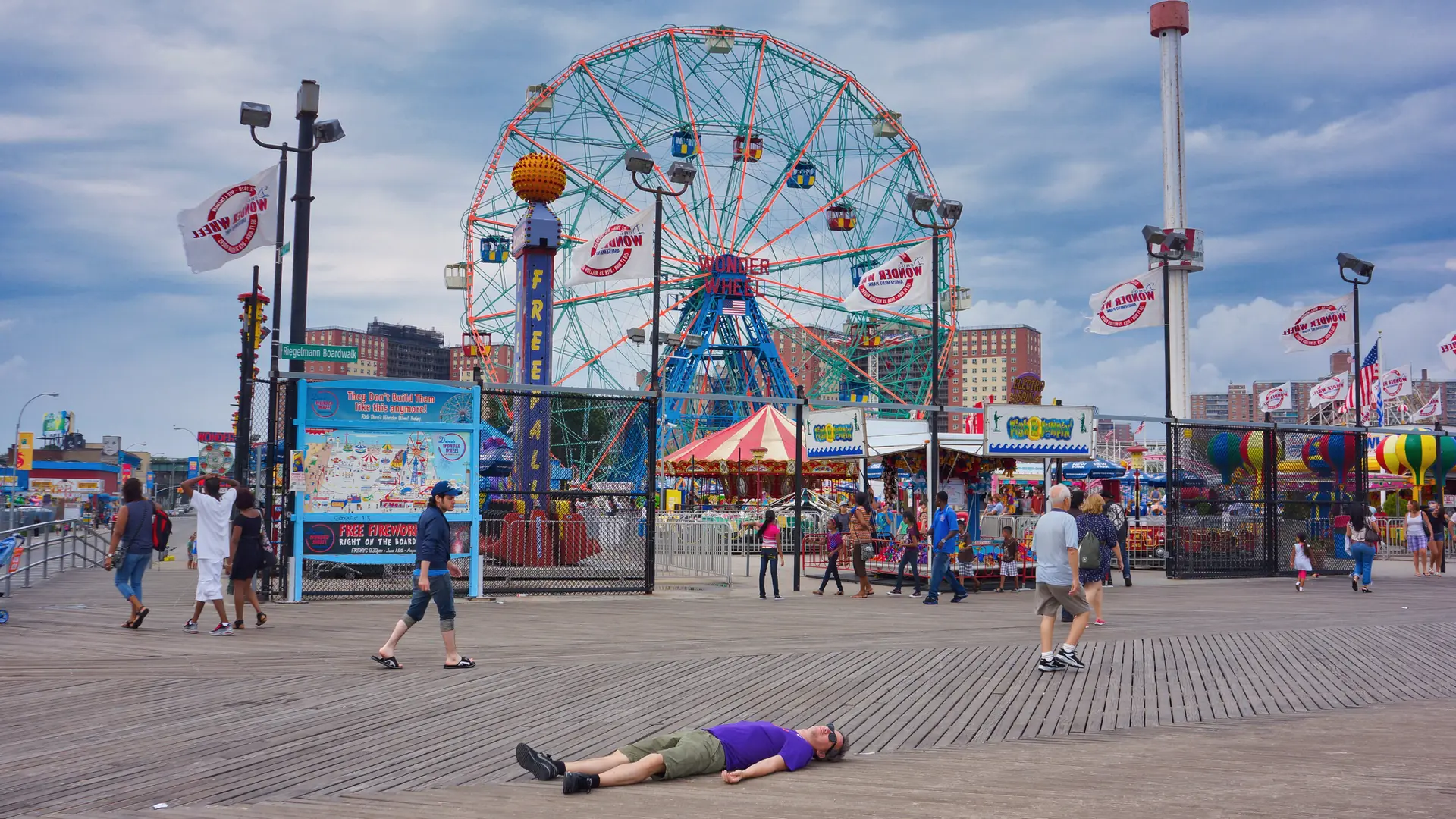
- Local name
- Coney Island
- Type
- Neighbourhood, beach and amusement area
- Continent
- America
- Country
- United States
- State
- New York
- City
- New York City (Brooklyn)
- Location
- Southwestern shore of Brooklyn
- Steeplechase Park
- 1897–1964
- Luna Park
- 1903–1944; new park since 2010
- Dreamland
- 1904–1911
- Cyclone
- 1927
- Wonder Wheel
- 1920
- Date
- August 2012
- Photographer
- Merche Mateo
- Published
- October 9, 2021
- Reviewed
- November 21, 2026
- Coordinates
- 40.5746, -73.9784
- More
- Wikipedia
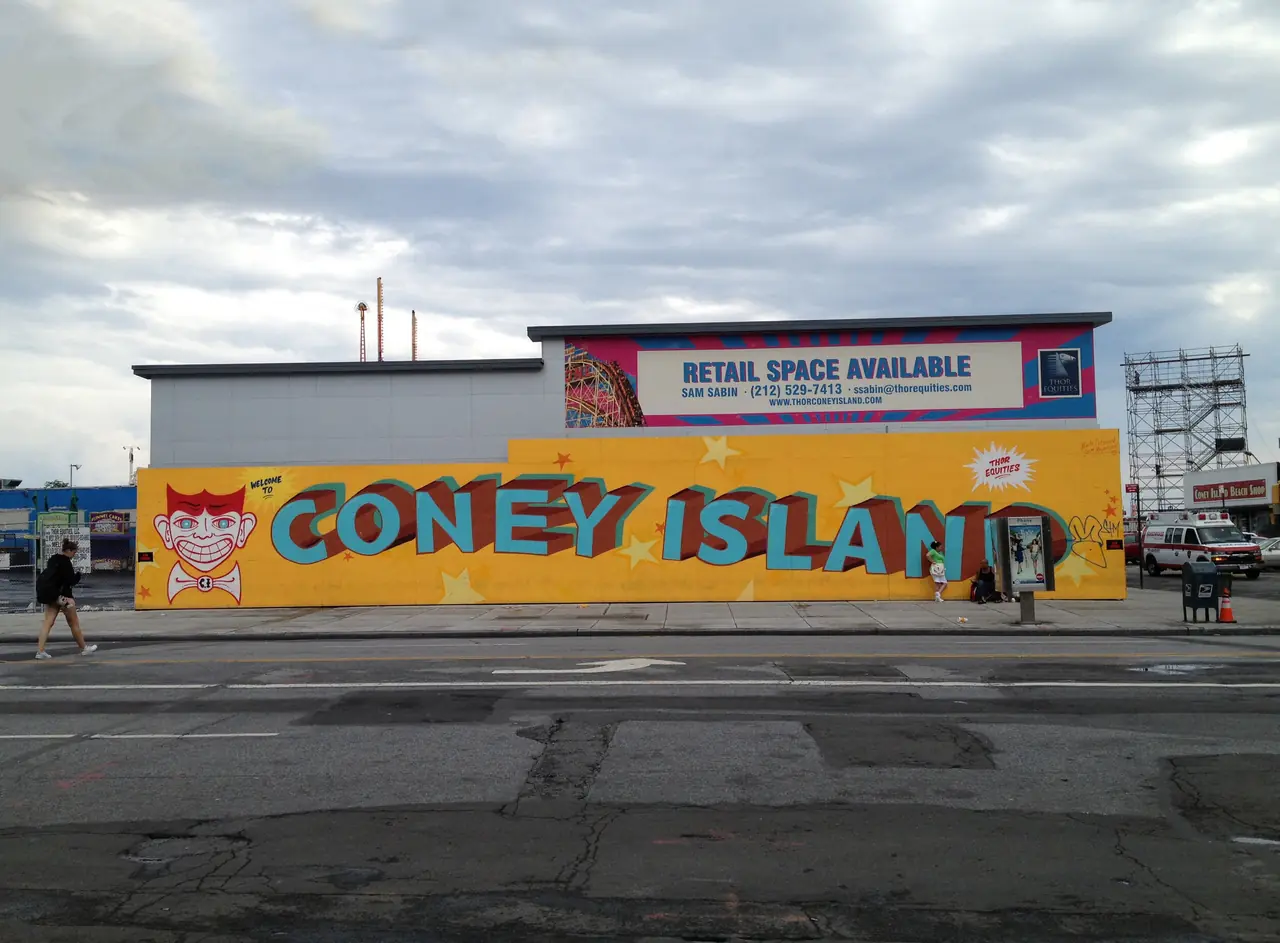
Coney Island is a neighbourhood and entertainment area on the southwestern shore of Brooklyn, in New York City S1. Between about 1880 and the Second World War it was the largest amusement area in the United States, attracting several million visitors every year S2.
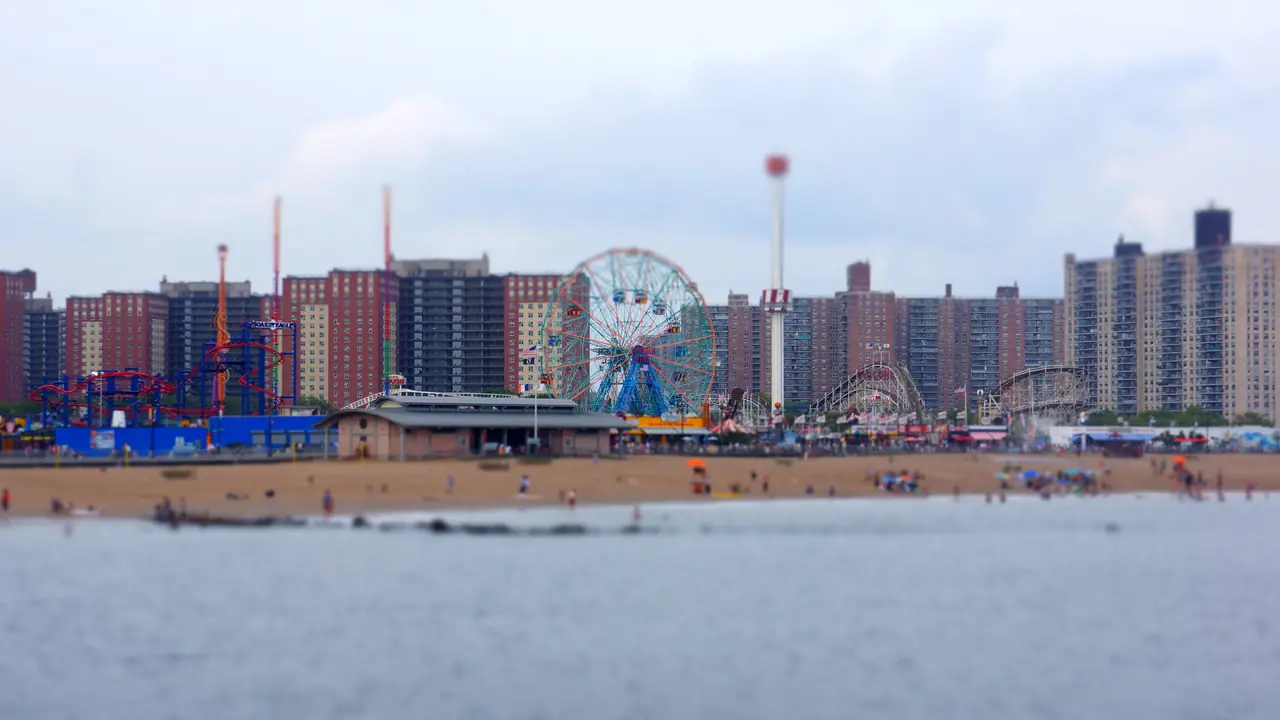
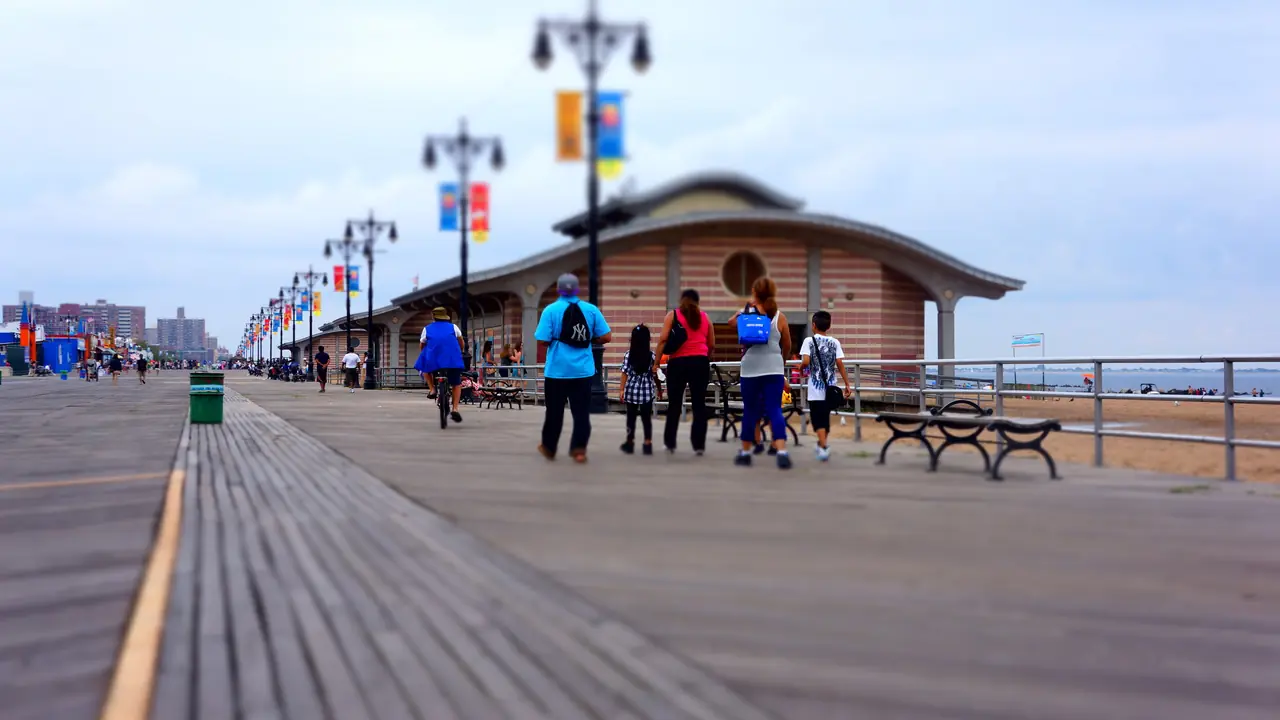
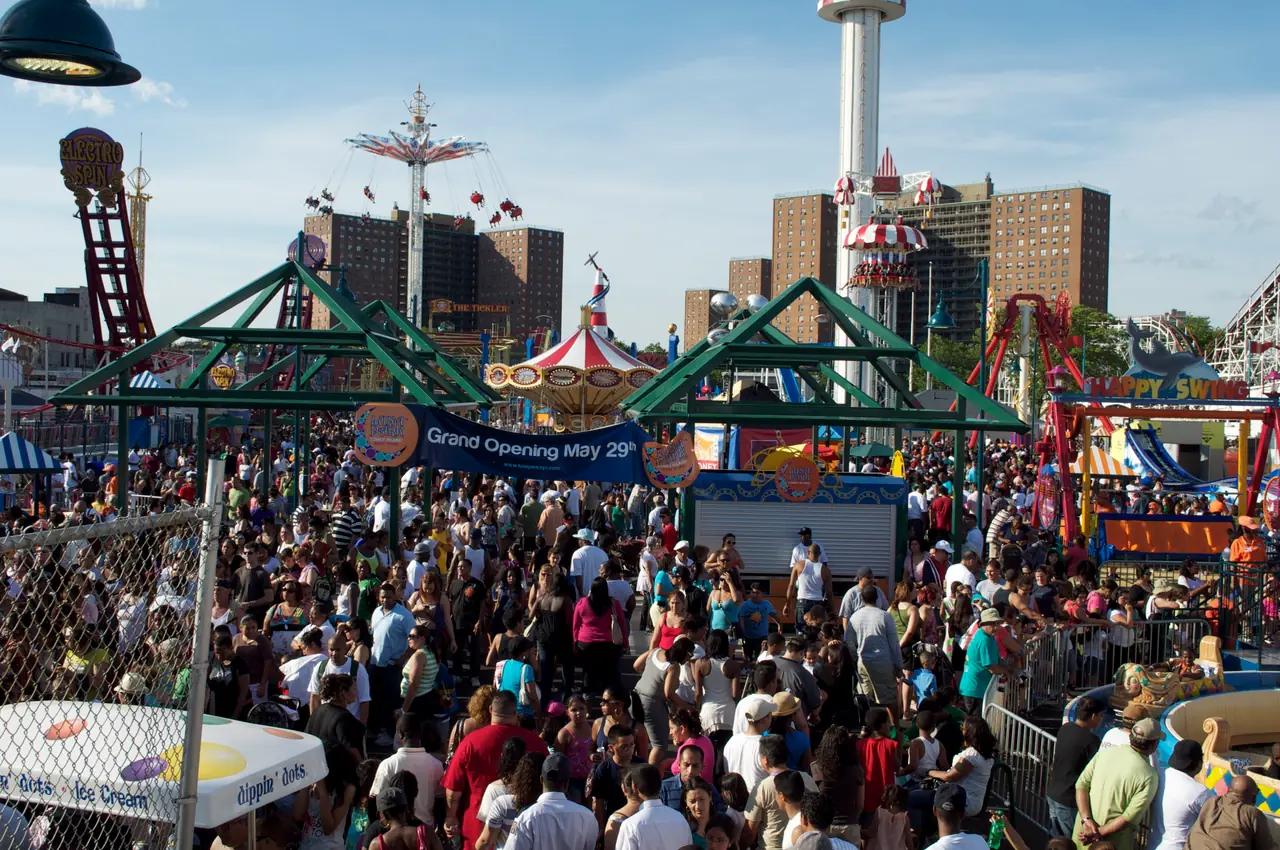
Today its beach, boardwalk and historic rides still draw crowds every summer. On hot summer days the beach is packed from one end to the other. Few places in America have shaped the idea of a day out by the sea as much as this strip of sand.
Rabbit Island
The origin of the name is disputed S1. On early Dutch maps, starting with the Manatus Map of 1639, the westernmost sand spit appears as Conyne Eylandt, usually read as Rabbit Island S1 S5.
Coney is an old English word for rabbit, and many writers believe the island was named for the wild rabbits of its dunes S4. Other researchers do not rule out a Dutch adaptation of an Indigenous place name S5. Whatever its origin, the name stuck long after the rabbits had disappeared.
The area was originally part of the colonial town of Gravesend S1. Gravesend is notable as one of the first towns founded by a woman, Lady Deborah Moody, who arrived with English religious dissenters from New England S6.
An English deed from 7 May 1654 already mentions Conyne Island, in a transfer from the Lenape to the settlers of Gravesend S5. For two centuries the island remained a remote place of dunes, marshes and grazing land.

Three great parks
In 1895 Sea Lion Park opened as Coney Island’s first amusement area to charge an entry fee S2. Two years later, in 1897, George C. Tilyou opened Steeplechase Park, the first of the great parks S2 S7.
Its star ride was the Steeplechase Horses, in which riders raced mechanical horses along a track S7. In 1902 Frederic Thompson and Elmer Dundy brought their Trip to the Moon ride to Steeplechase for one season S4.
The ride had been a hit at the Pan-American Exposition of 1901 in Buffalo, and its airship was called Luna, the Latin word for the moon S2. After a disagreement with Tilyou, Thompson and Dundy decided to build their own park S2.
Luna Park turned on its lights on 16 May 1903, on the site of Sea Lion Park S2. A crowd of 45,000 people came through the gates on the first night, and admission cost ten cents S2.

Cities of light and fire
The park was lit by more than 200,000 electric bulbs on towers and turrets, and the lights changed colour every second S2. At its centre, in the middle of a lagoon, stood an electric tower about 61 metres high S2.
Among the first attractions were a submarine ride based on Jules Verne’s Twenty Thousand Leagues Under the Seas, a replica of Venice with gondolas and shows that recreated fires and battles S2. The Russian writer Maxim Gorky described a fantastic city of fire rising from the ocean into the sky S2.
In 1904 a third park opened across Surf Avenue: Dreamland, built by the former state senator William H. Reynolds to surpass Luna Park in every way S3. It had one million lights, compared with Luna Park’s 250,000 S3.
At its peak, around the middle of the century’s first decade, the three parks competed with each other and with many independent amusements S2. By 1904 five railroads carried visitors to Coney Island S7.

Rides that became landmarks
The wooden and plaster buildings were dangerously flammable. In 1907 a fire burned through Steeplechase Park for eighteen hours S10.
In the early morning of 27 May 1911, a worker kicked over a bucket of hot pitch, starting a fire that destroyed Dreamland S3. Animals from its shows escaped through Brooklyn, and the park was never rebuilt S10. Coney Island had lost its most ambitious park in a single morning.
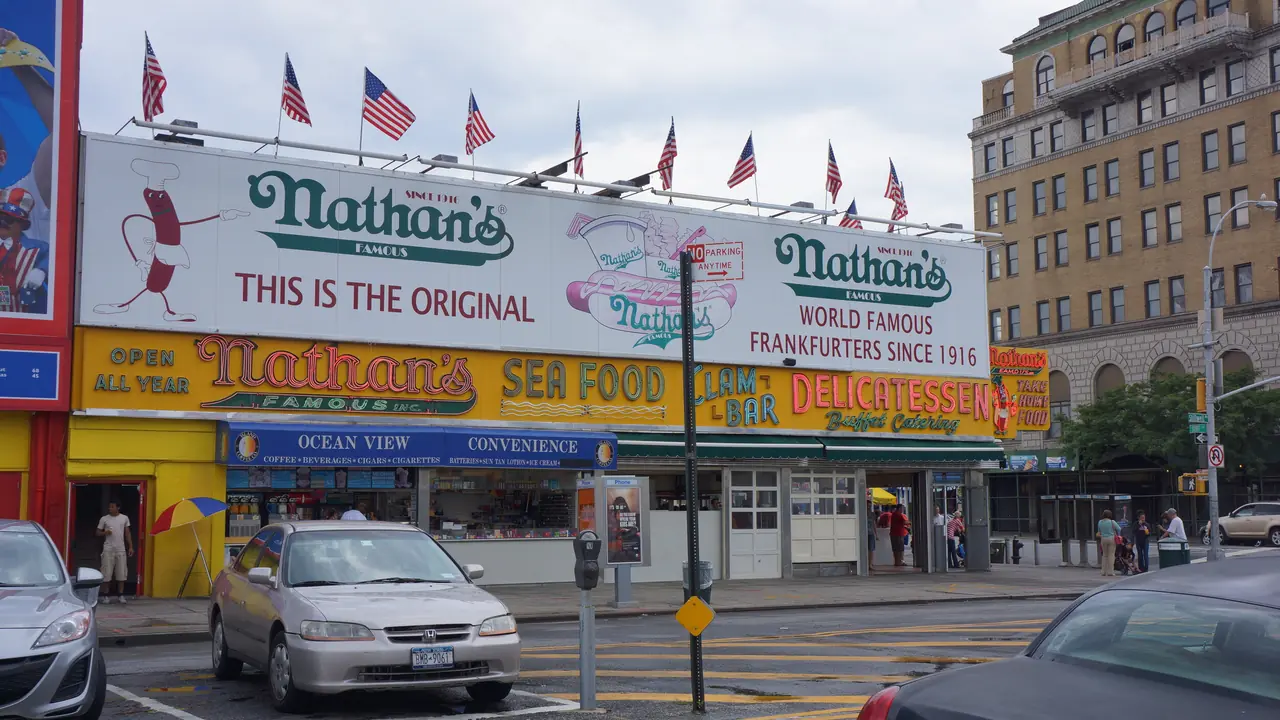
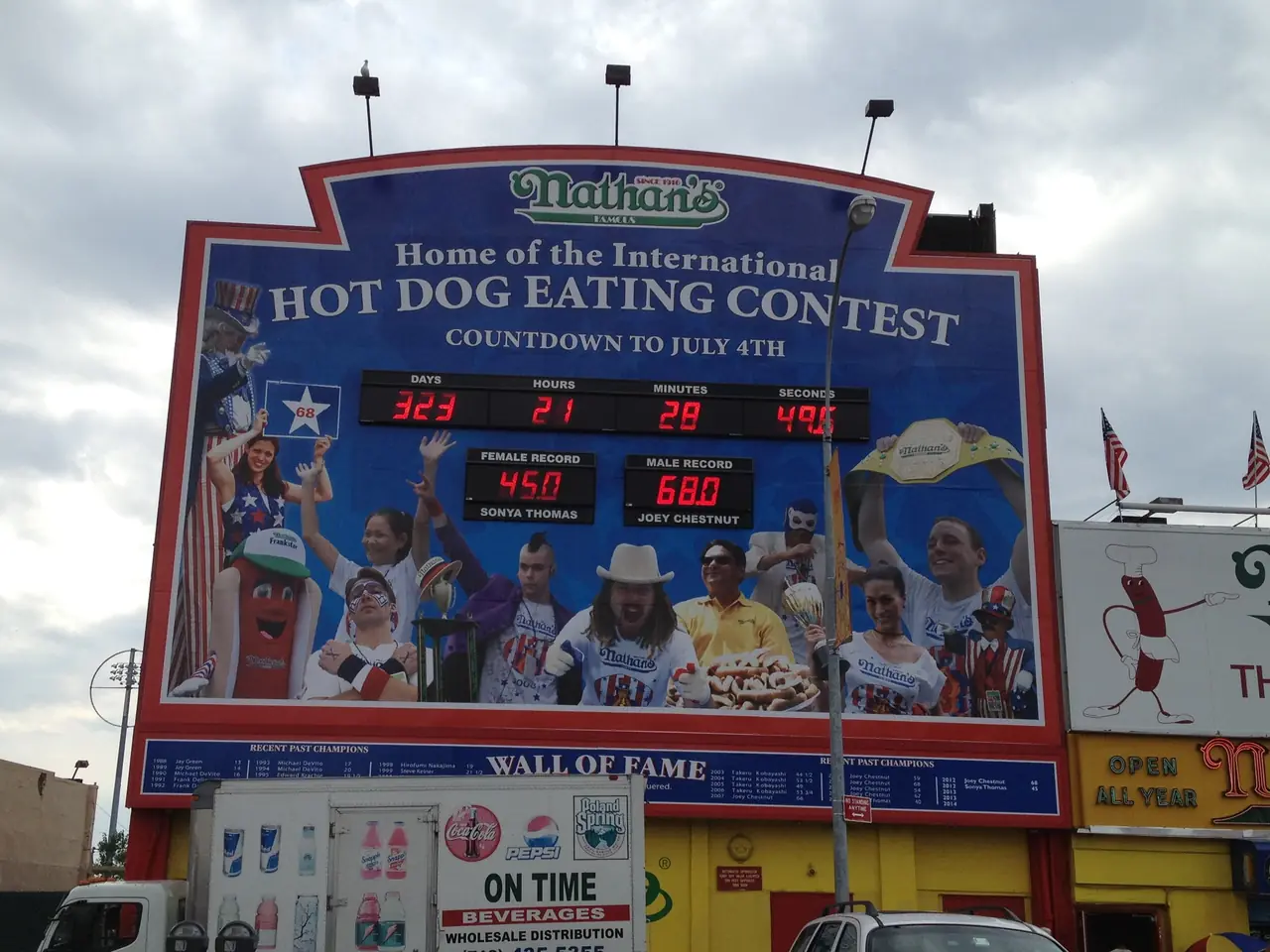
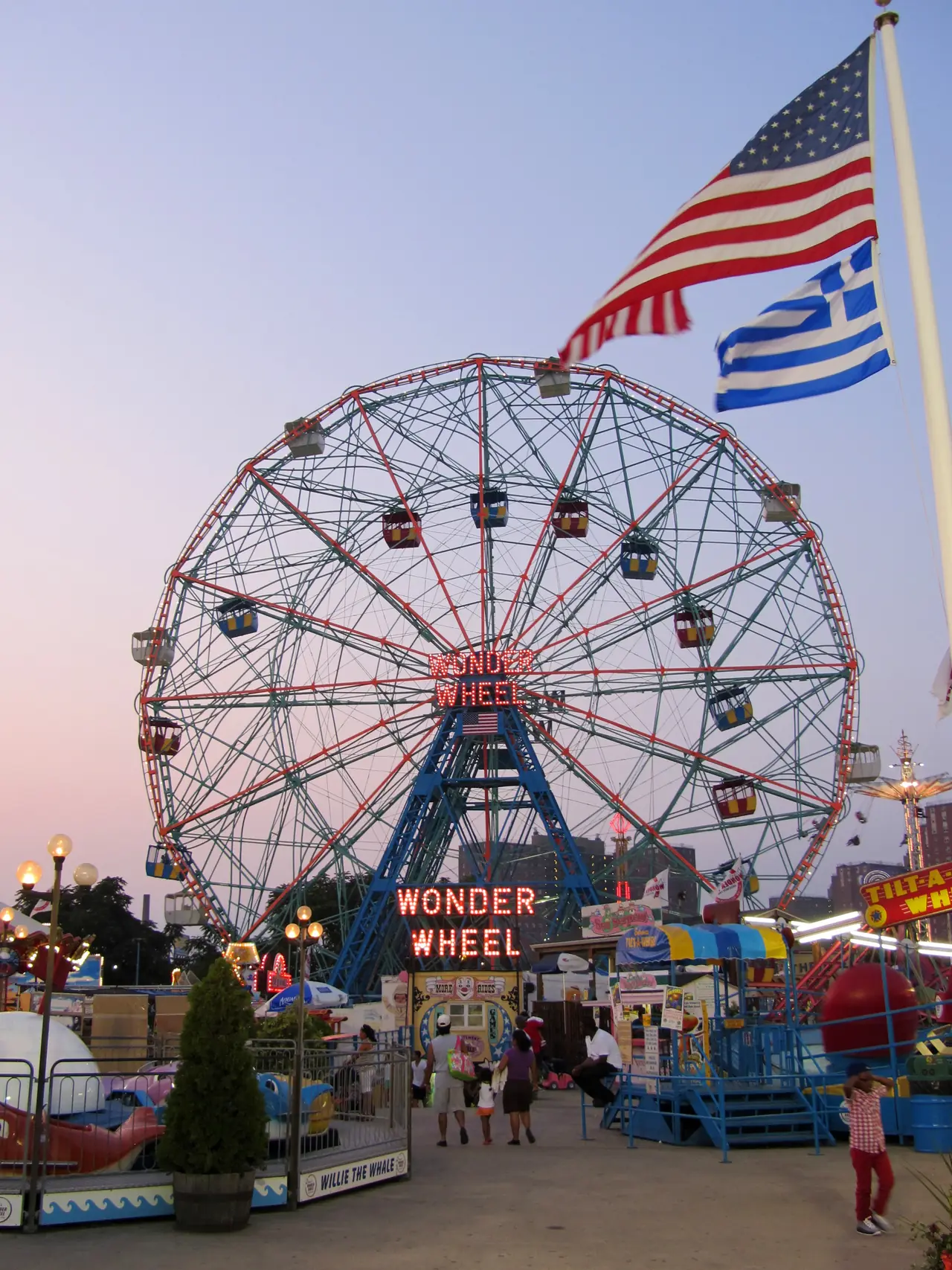
In 1916 Nathan Handwerker opened Nathan’s hot dog stand, and in 1920 the Wonder Wheel, a Ferris wheel about 46 metres high, welcomed its first riders S4 S9. In 1923 the Riegelmann Boardwalk opened along the beach S4.
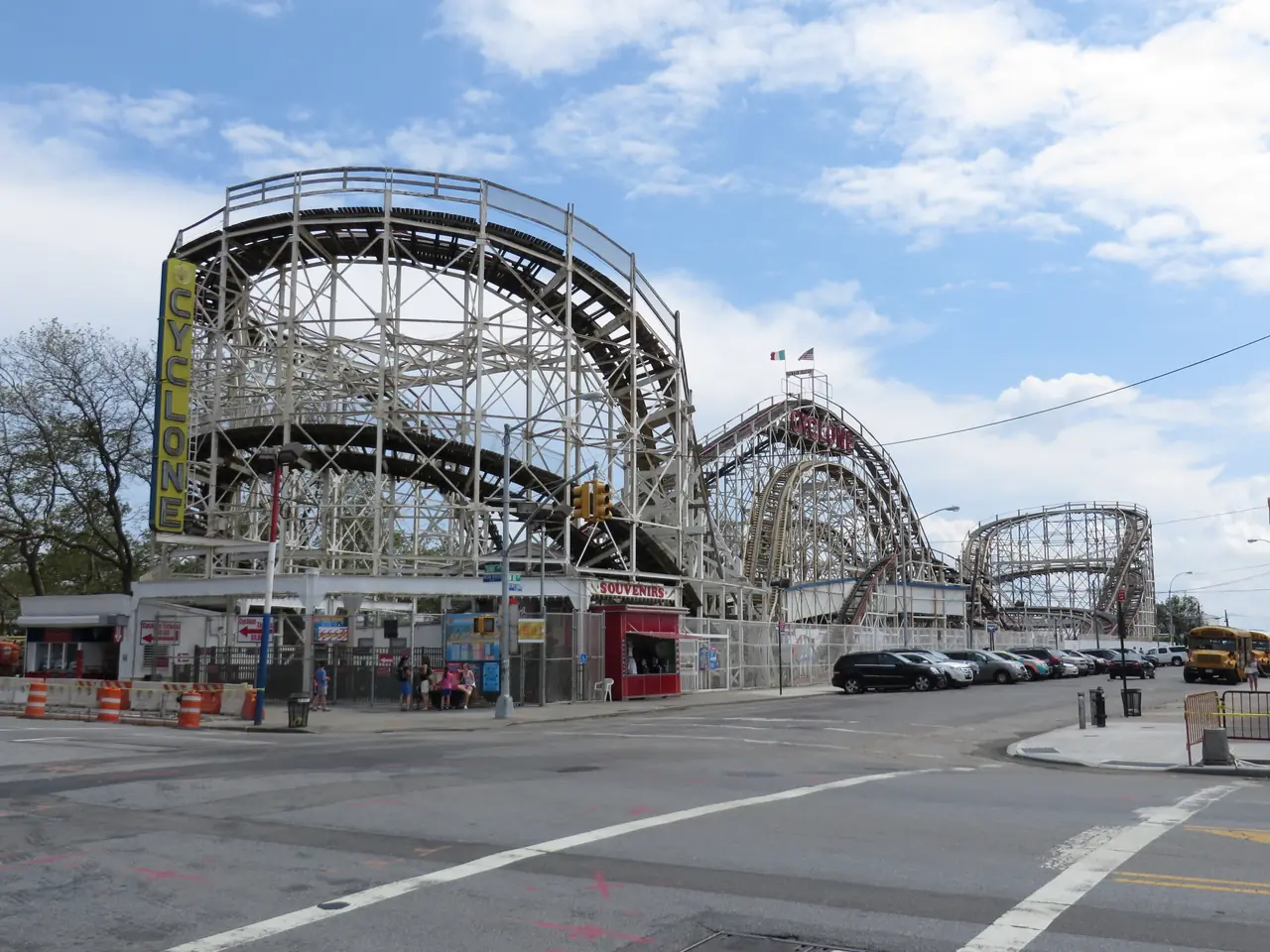
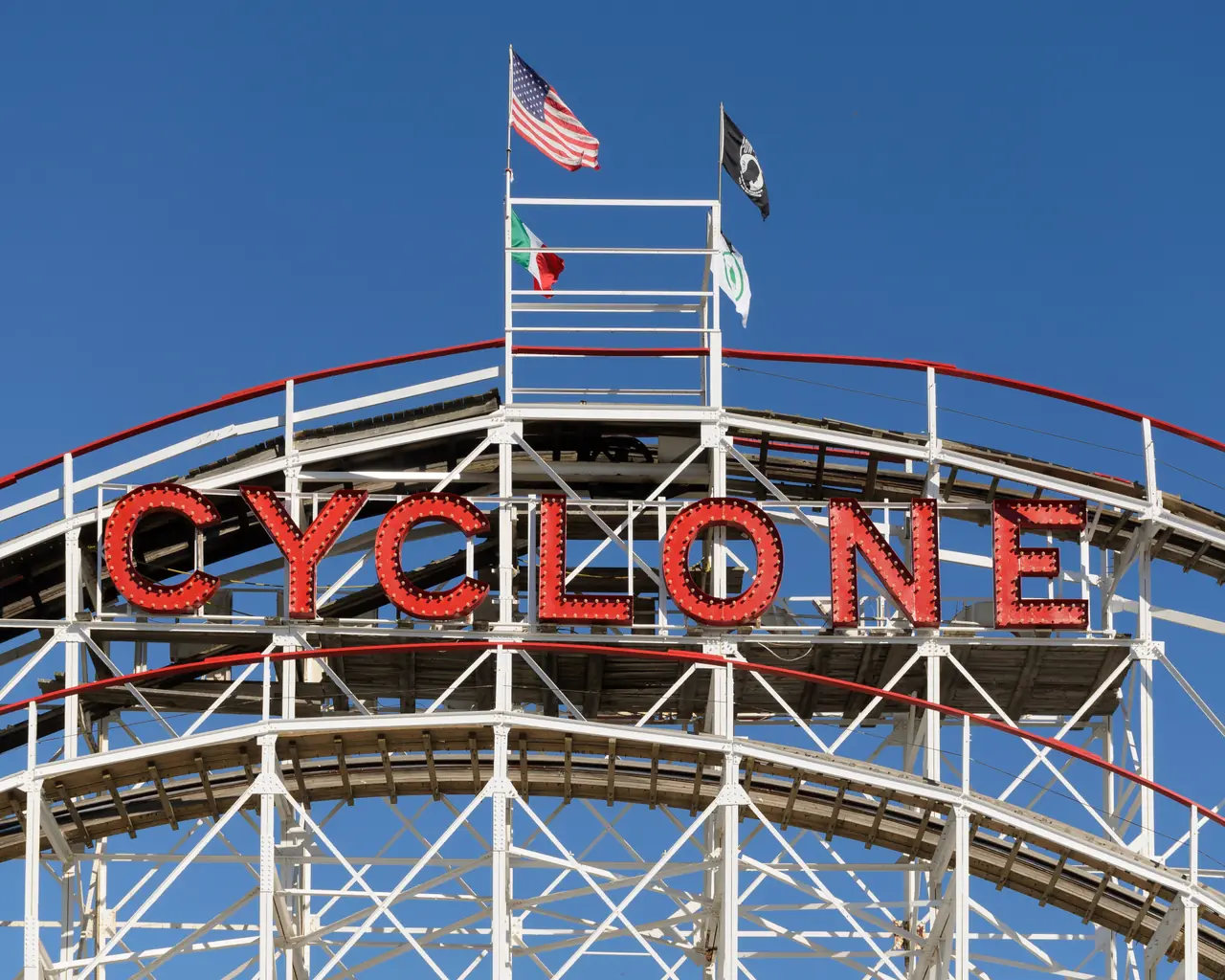
In 1927 the Cyclone roller coaster began operating S4. Its wooden track is about 800 metres long and its first drop plunges about 26 metres at an angle of 60 degrees S9. Almost a century later, riders still queue for it every summer.

Decline and rebirth
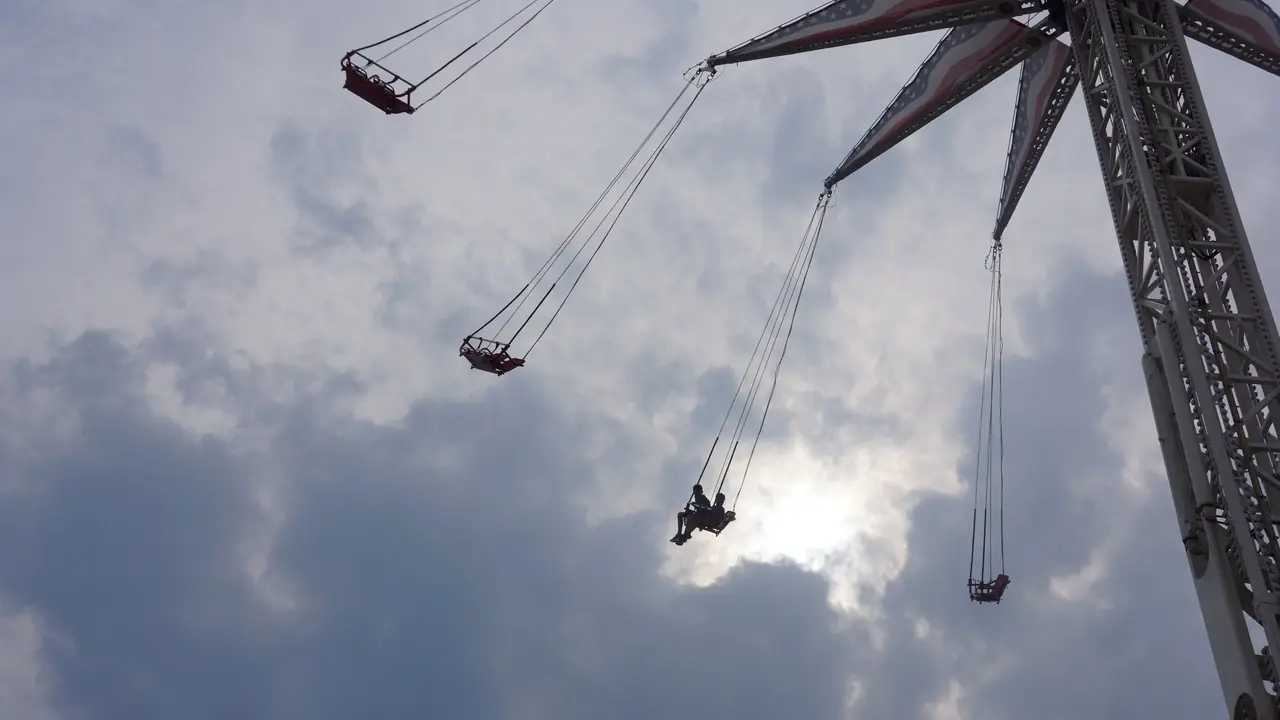
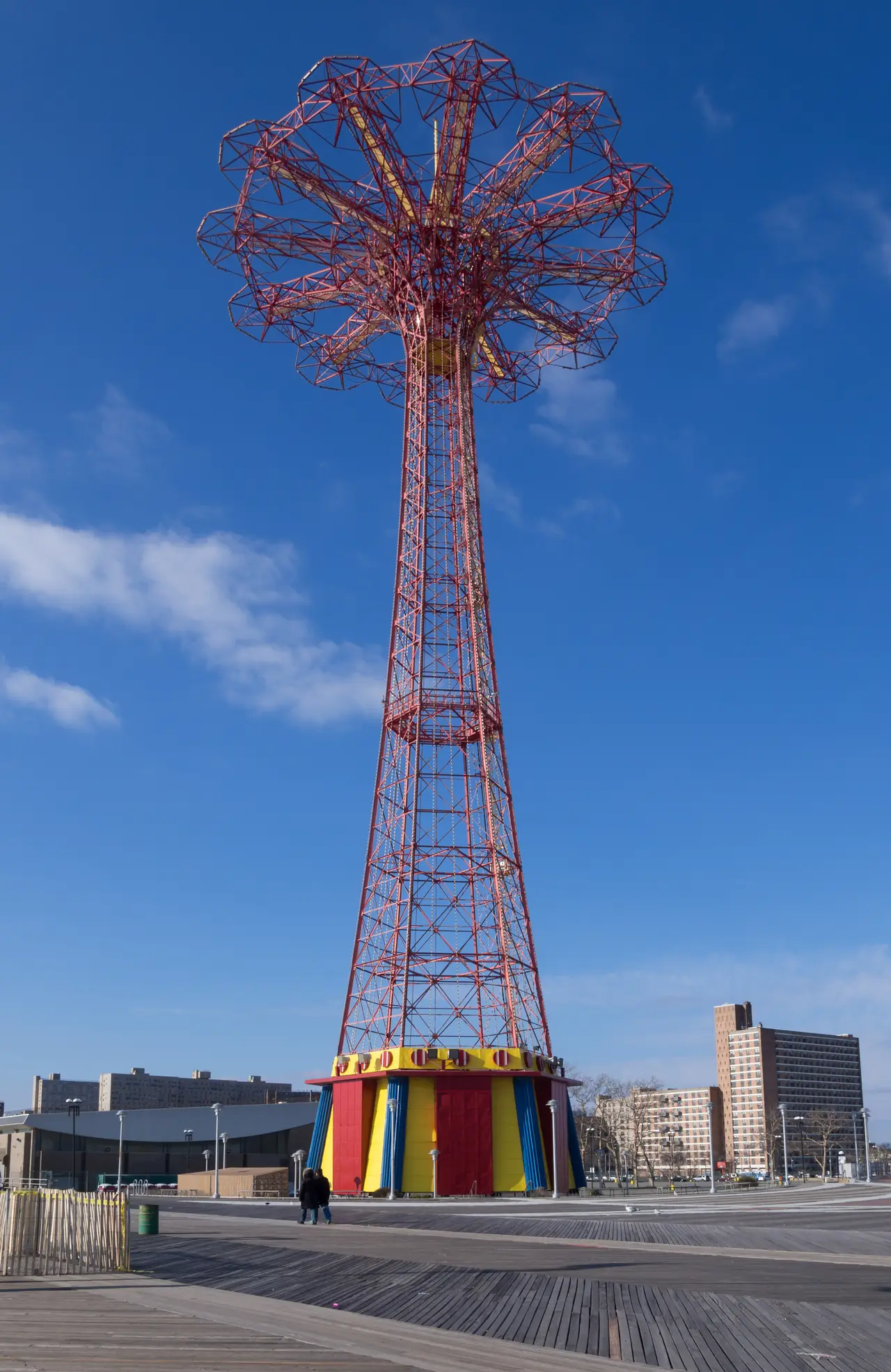
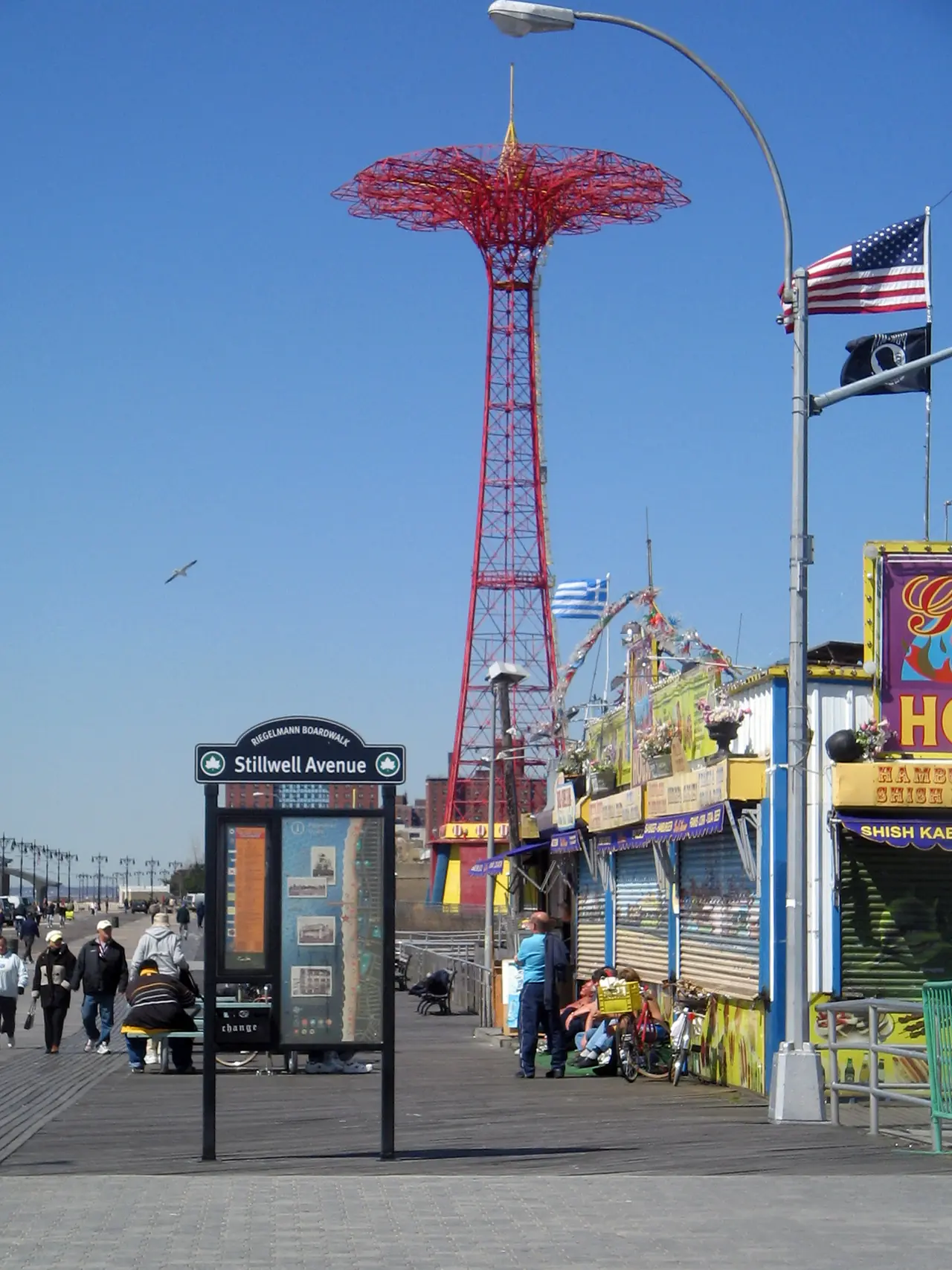
In 1940 the Parachute Jump was moved from the 1939 World’s Fair to Steeplechase Park S4. The Wonder Wheel, the Cyclone and the Parachute Jump have survived in part thanks to their status as landmarks S8.
Coney Island also gave the world its first roller coaster, a switchback railway of 1884, long before the Cyclone S10. Generations of New Yorkers learned to scream on these rides.
A fire on 13 August 1944 destroyed much of Luna Park, and the park closed for good in September of that year S2. Its site was later covered by an apartment complex, the Luna Park Houses, completed in 1962 S2. With its loss, the era of the great parks came to an end.
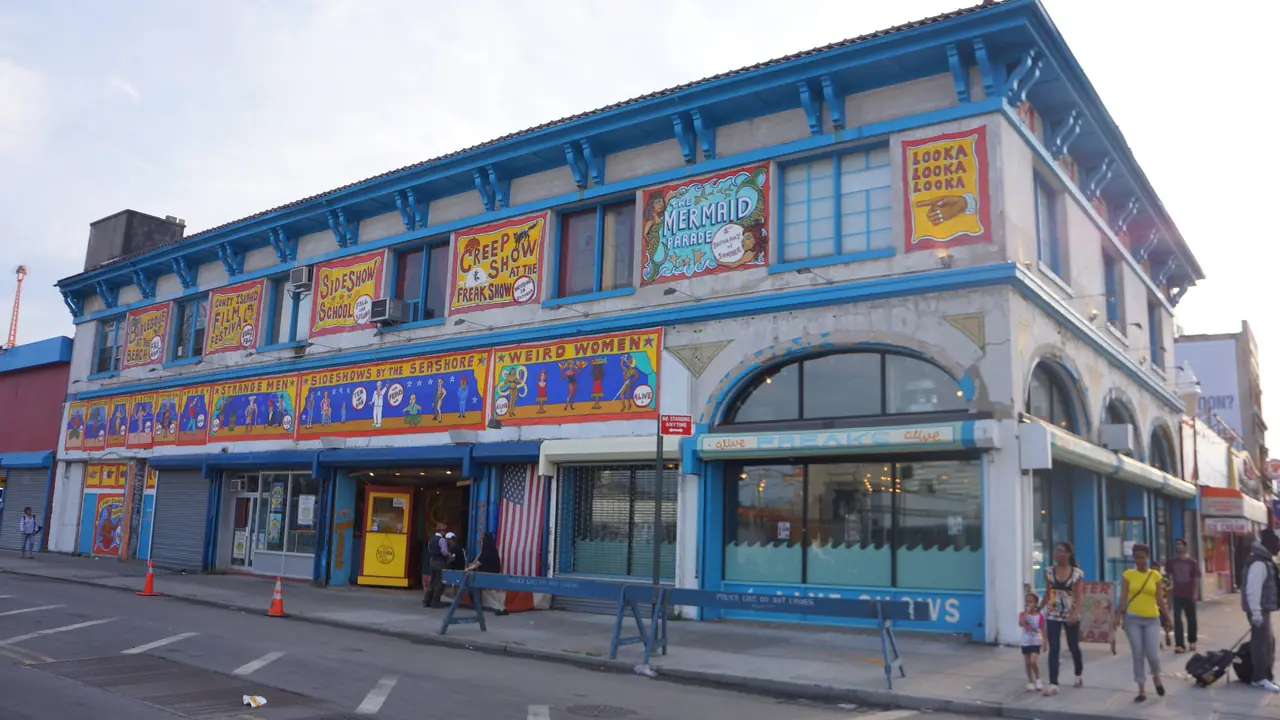
Astroland opened in 1962, and Steeplechase Park closed in 1964 S4. In 1983 the first Mermaid Parade was held on the boardwalk, and it became one of the neighbourhood’s most colourful traditions S4.
In 2010 a new amusement park named Luna Park opened on the former site of Astroland, across Surf Avenue from the original S2. It is unrelated to the park of 1903, although its entrance recalls the old main gate S2.

Visiting Coney Island
The amusement area is busiest in summer, when the beach and the rides are open. The beach is free, while each ride is paid separately.
The boardwalk runs for several kilometres between Sea Gate and Brighton Beach S8. Walking along it, visitors pass the Parachute Jump, the Wonder Wheel and the Cyclone, all within a short distance. Early evening is a good time to see the rides lit up against the sky.
Coney Island is the end of several subway lines, so it can be reached from Manhattan by train in about an hour. More than a century after Luna Park first switched on its lights, Coney Island is still New York’s playground by the sea.

Frequently asked questions
Why is it called Coney Island?
What were the three great parks?
Steeplechase Park (1897), Luna Park (1903) and Dreamland (1904) S2.
Is the Luna Park of today the original?
No, the original closed in 1944; the current Luna Park opened in 2010 and is unrelated to it S2.
How old is the Cyclone?
It began operating in 1927 S4.
When did the boardwalk open?
The Riegelmann Boardwalk opened in 1923 S4.
Sources
- S1 Wikipedia: Coney Island.
- S2 Wikipedia: Luna Park, Coney Island (1903).
- S3 Wikipedia: Dreamland (Coney Island, 1904).
- S4 PBS American Experience: Coney Island timeline.
- S5 Word Origins: Coney / Coney Island.
- S6 Wikipedia: Gravesend, Brooklyn.
- S7 Wikipedia: Steeplechase Park.
- S8 NYU Libraries: Coney Island, Brighton and Manhattan viewbook.
- S9 Mental Floss: Coney Island facts.
- S10 Untapped New York: Secrets of Coney Island.
More in USA