Canfranc International railway station: A Giant in the Pyrenees
- Local name
- Estación Internacional de Canfranc
- Type
- Former international railway station
- Continent
- Europe
- Country
- Spain
- Region
- Aragon
- Village
- Canfranc Estación (1,190 m)
- Opened
- 18 July 1928
- Engineer
- Fernando Ramírez de Dampierre
- Size
- 241 m long, about 365 windows
- International line closed
- 1970 (L’Estanguet bridge)
- Today
- Hotel since 2023; Site of Cultural Interest since 2002
- Date
- August 2022
- Photographer
- Héctor Godes
- Published
- September 26, 2022
- Reviewed
- November 15, 2026
- Coordinates
- 42.7510, -0.5146
- More
- Wikipedia
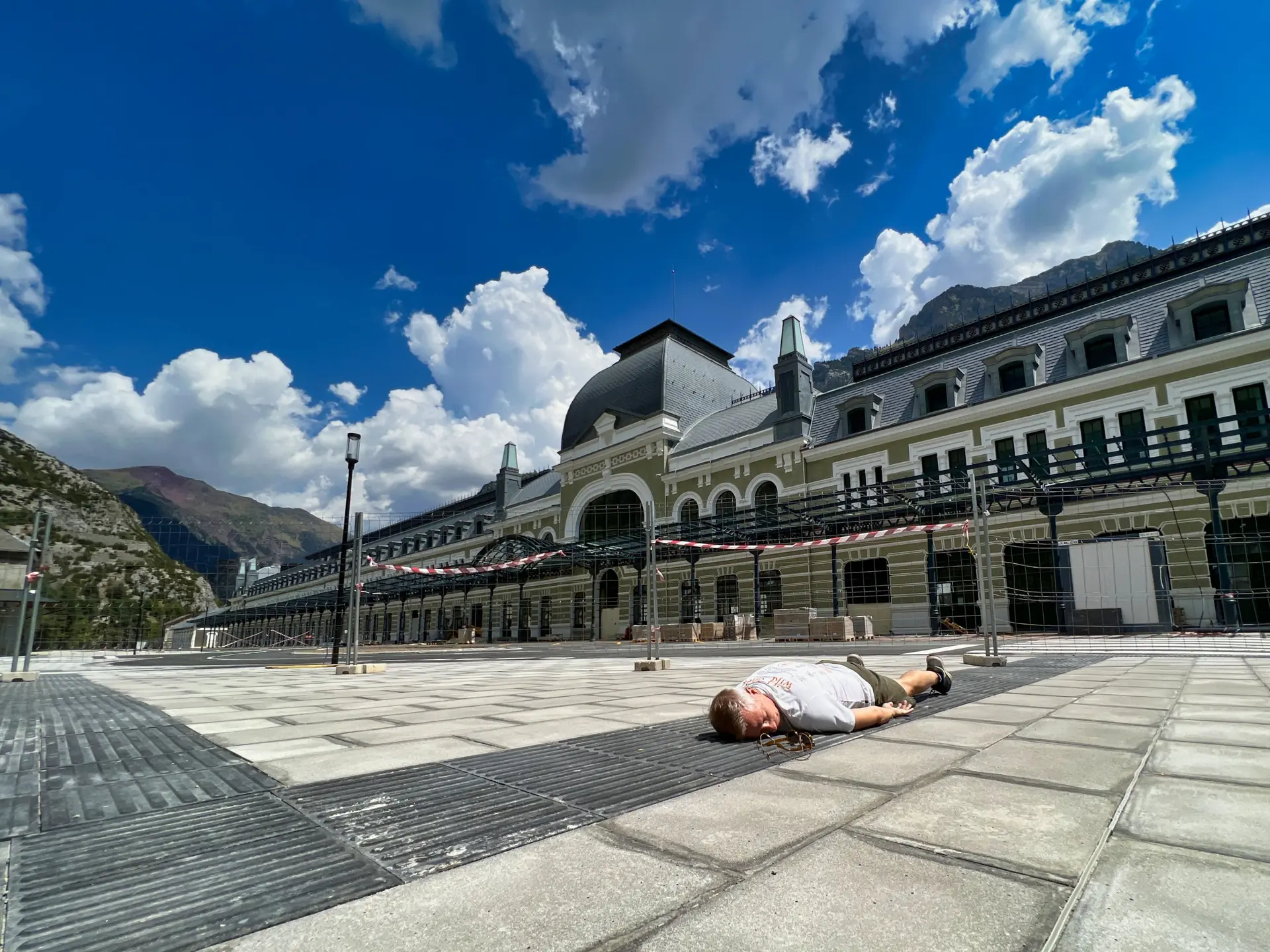
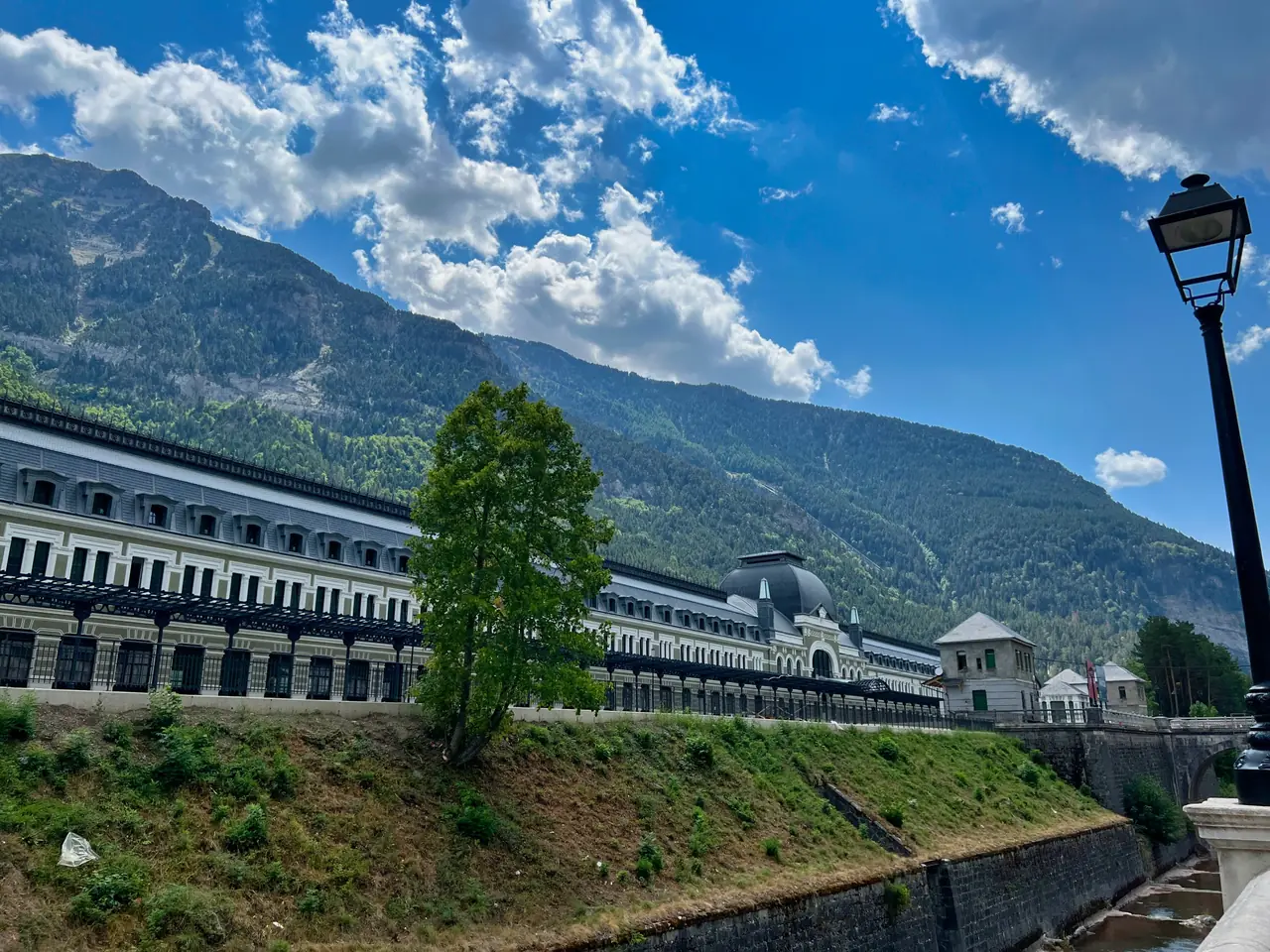
Canfranc International railway station is a former international railway station in the village of Canfranc, in the Spanish Pyrenees S1. At its northern end lies the Somport railway tunnel, which carried the Pau–Canfranc line under the mountains into France and has been out of use since 1970 S1. The station stands in a narrow valley, surrounded by forests and high peaks.
Its story is one of ambition, war, abandonment and rebirth. Few buildings in Spain have changed fortune so many times in less than a century. It has been called the Titanic of the Mountains, a nickname that sums up both its grandeur and its fall.
A railway across the Pyrenees
The idea of a railway across the central Pyrenees was an old Aragonese aspiration, and it took decades to become reality S4. The Somport tunnel was dug between 1908 and 1912 S3. The work was done largely by hand, with the help of its own hydroelectric power S3.
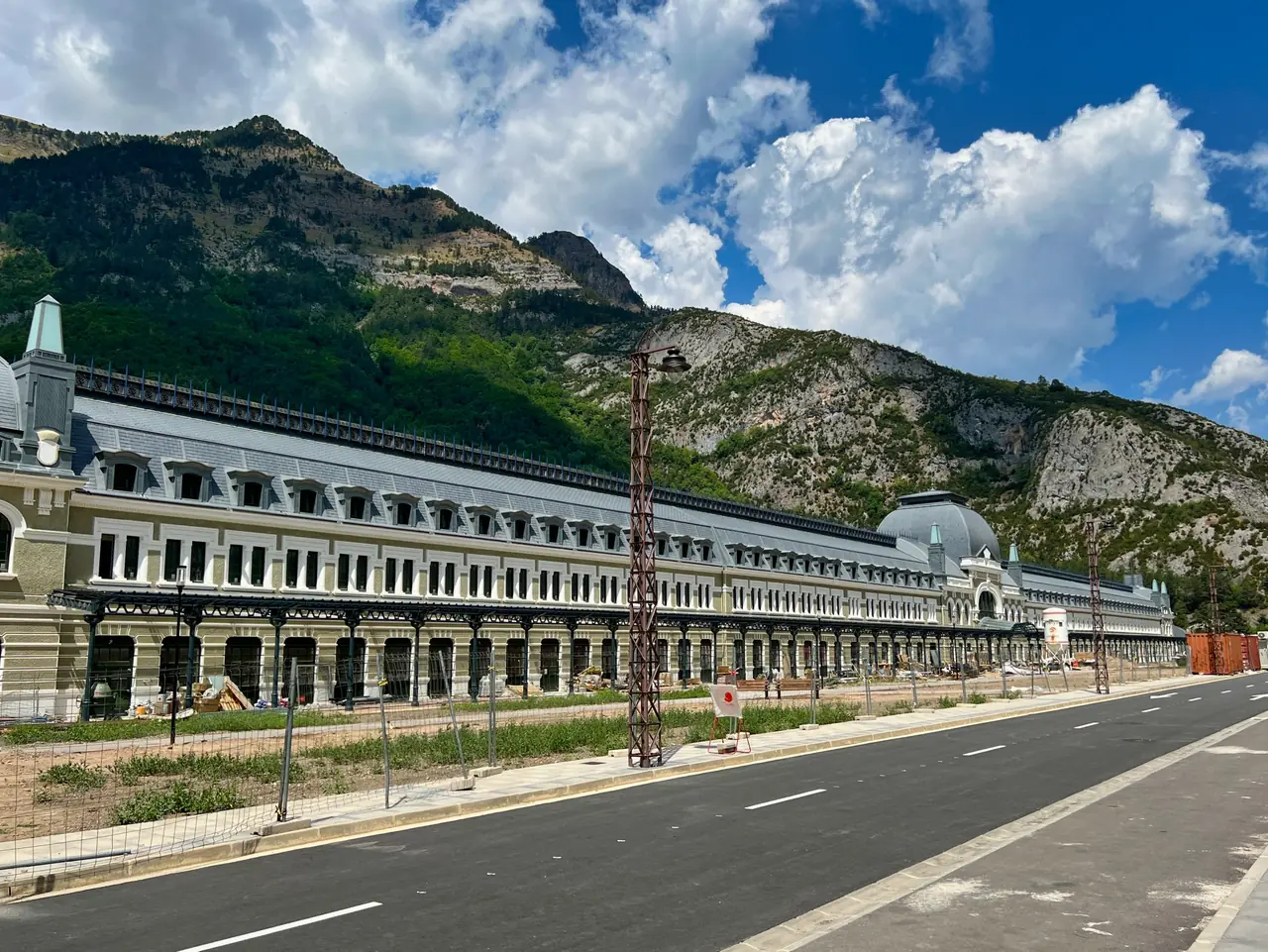
The mountains themselves were an obstacle. From 1920, slopes around the station were reforested to protect the line from avalanches S3. Those forests still cover the slopes above the station today.
Construction of the station began in 1923, led by the Spanish project engineer Fernando Ramírez de Dampierre S1. It was formally opened on 18 July 1928, in the presence of King Alfonso XIII and the French president Gaston Doumergue S1. Both leaders arrived by train for a day full of ceremonies S4.
When it opened, it was the second-largest station in Europe S1 S2. The village of Canfranc Estación, at an altitude of 1,190 metres, grew up largely because of it S10. Houses for railway workers, customs officers and their families soon appeared around it.

A palace for two countries
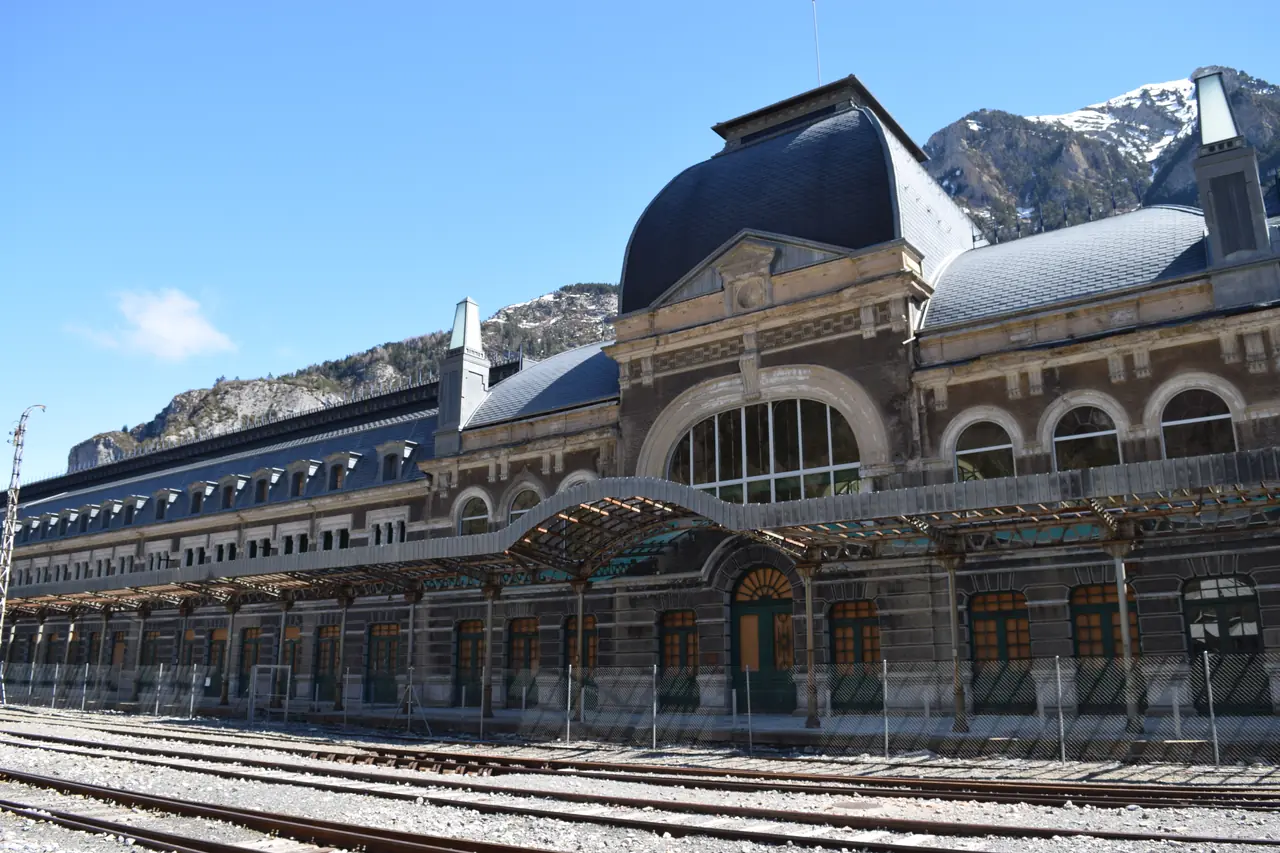
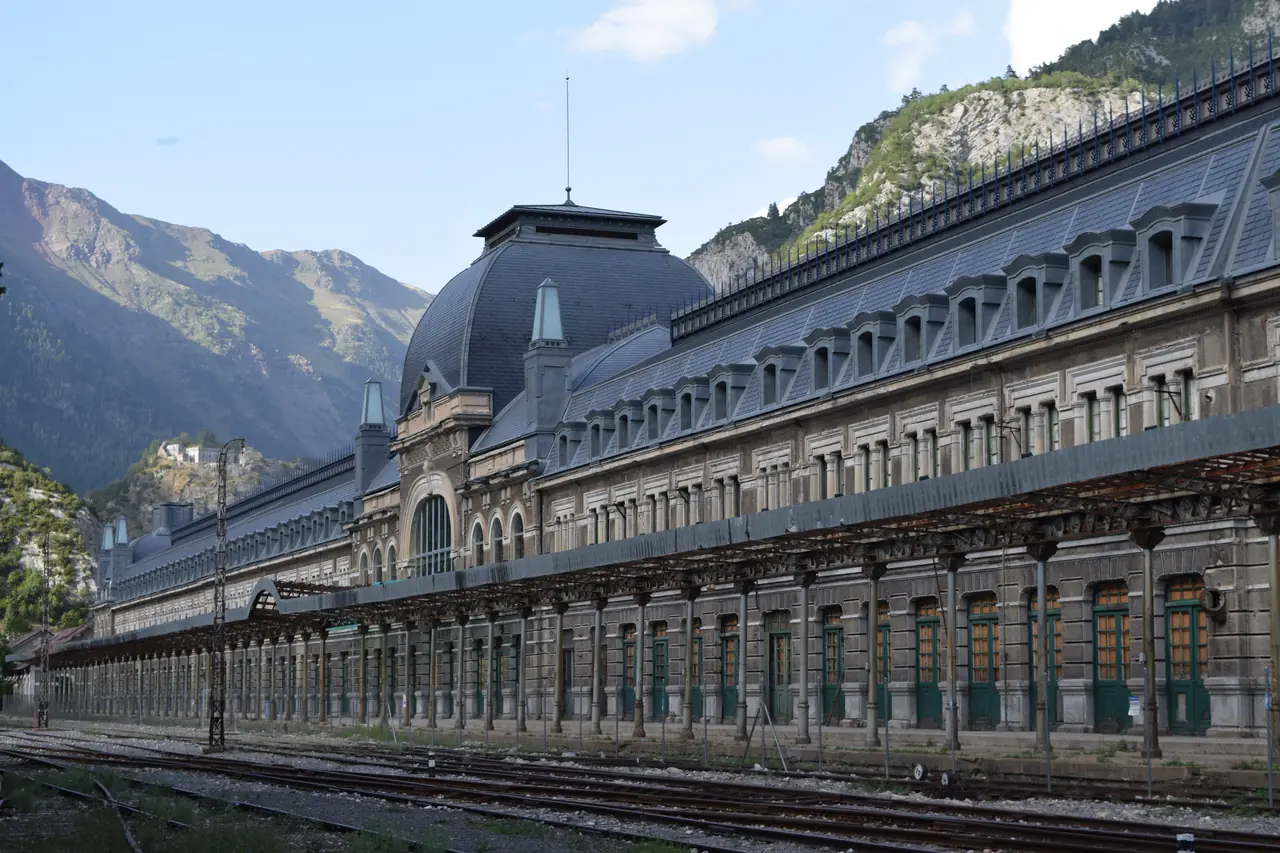
The station building is 241 metres long and 12 metres wide S5. It is often said to have 365 windows, one for each day of the year, and 75 doors on each side S5.
Other sources give slightly different figures, such as about 350 windows and 150 doors S2. Whatever the exact count, the building was designed to impress. Its long facade of stone, iron and glass recalls the great European stations of the time.
The size had a practical reason. Because the station served two countries, it duplicated services on each side: ticket offices, currency exchange, customs, police, post office and hotel S6. Spanish and French officials worked side by side under the same roof.
The track gauges of Spain and France were different, so passengers and goods had to change trains here. The station was, in effect, a frontier in the form of a building. Long platforms and sheds were needed to transfer goods from one train to another.

War, refugees and gold
About three years after its inauguration, the station suffered a major fire S1. During the Spanish Civil War, the Francoist side closed the tunnel S7. International traffic only resumed later, under very different circumstances.
During the Second World War, Canfranc became a crossing point of great importance. After the German occupation of southern France, a German detachment took control of the station, and members of the SS and Gestapo controlled its customs S3 S7.
Trains carrying gold from Germany entered Spain through Canfranc, much of it continuing to Portugal S7. One account speaks of 86 tonnes of Nazi gold passing through the station, partly in exchange for Galician tungsten S2 S7. Tungsten was a strategic mineral for the German war industry.
At the same time, thousands of Jews fled through its platforms towards Lisbon S3. The French customs chief Albert Le Lay, known as the Schindler of Canfranc, helped many of them escape S3. The station thus became a place of espionage, smuggling and rescue at the same time.

The bridge that closed a border
In the 1960s, both the station and the Pau–Canfranc line were chronically underfunded, and frequent incidents raised safety concerns S1. Traffic had never reached the levels its builders had hoped for. Road transport was also taking over much of the freight.
In March 1970, a freight train derailed on the French side and destroyed the L’Estanguet bridge S4 S2. Sources give different dates for the accident, from 20 or 27 March to April 1970 S4 S2.
France did not rebuild the bridge, and the international connection came to an end S2. Some accounts describe the collapse as suspicious S7. Since then, trains from Spain have ended their journey at Canfranc.

From ruin to hotel
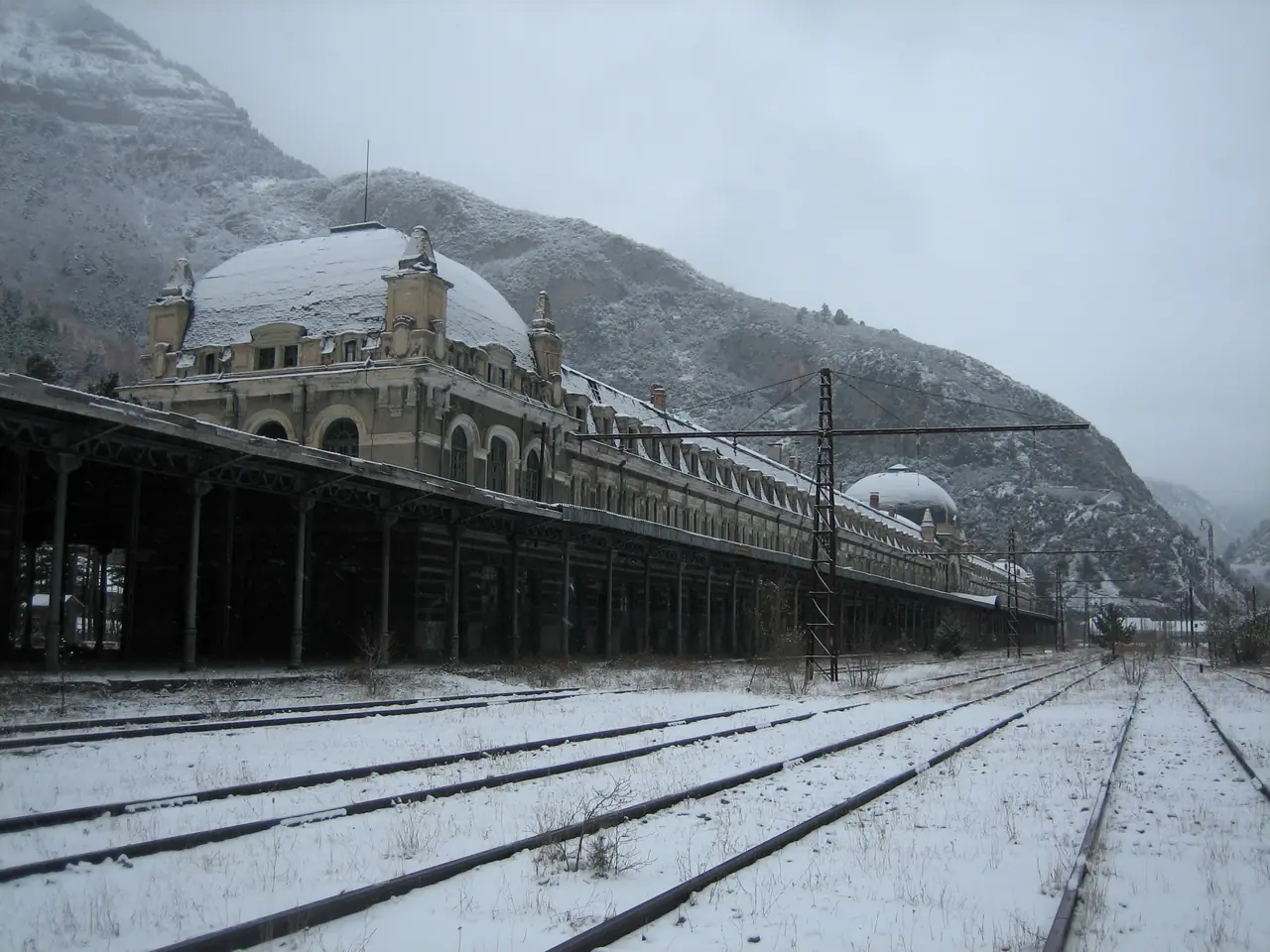
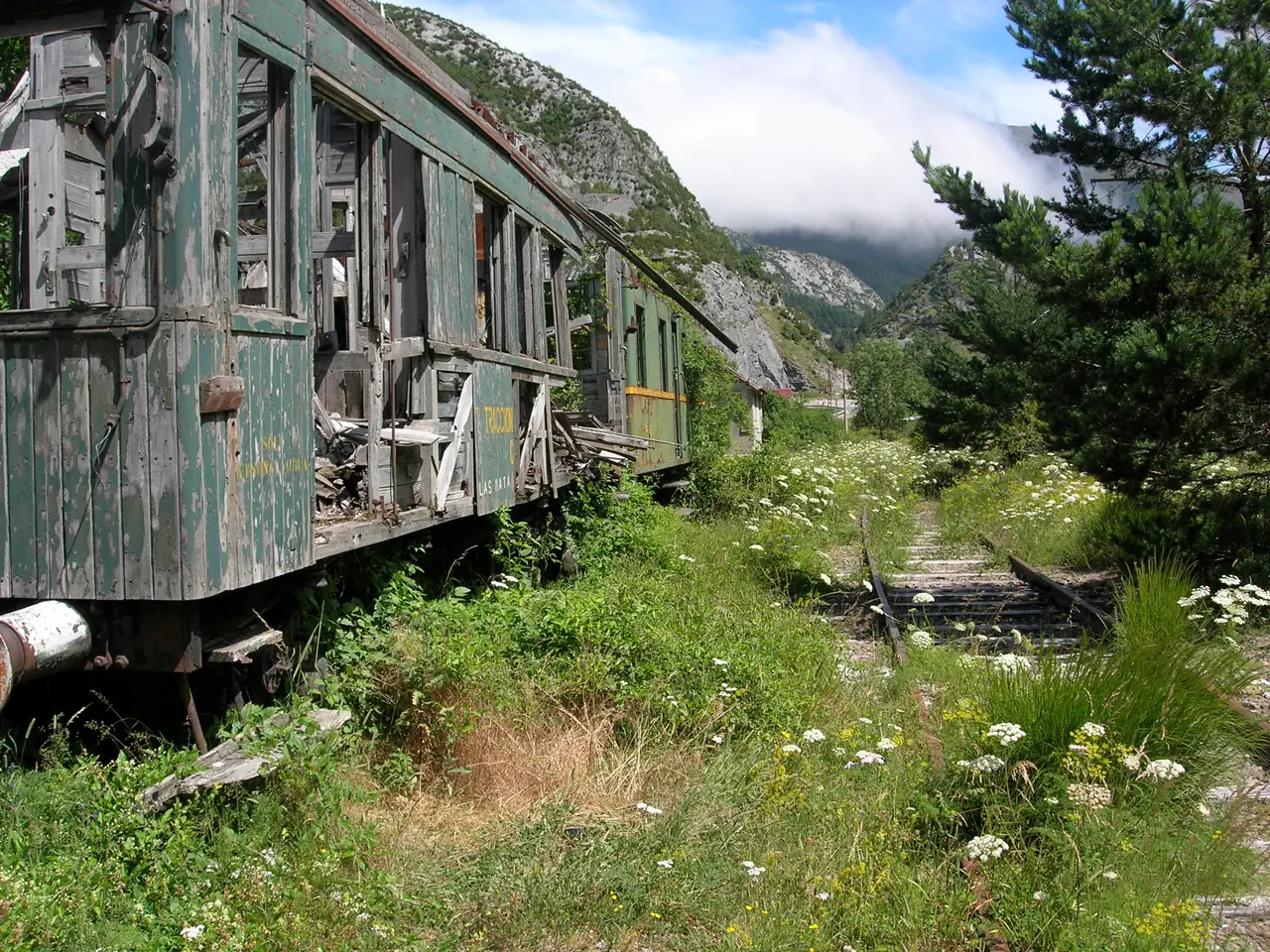
With only minimal services over the following five decades, the station declined, and much of the site became derelict S1. For more than forty years the great building remained closed S8. Broken windows, rusting rails and abandoned carriages became the image of Canfranc for a whole generation.
The station was declared a Site of Cultural Interest in 2002 S9. On 14 April 2021 the old station received the last train of its history, and on 15 April a new station opened nearby S4. The change marked the end of almost a century of trains at the old platforms.
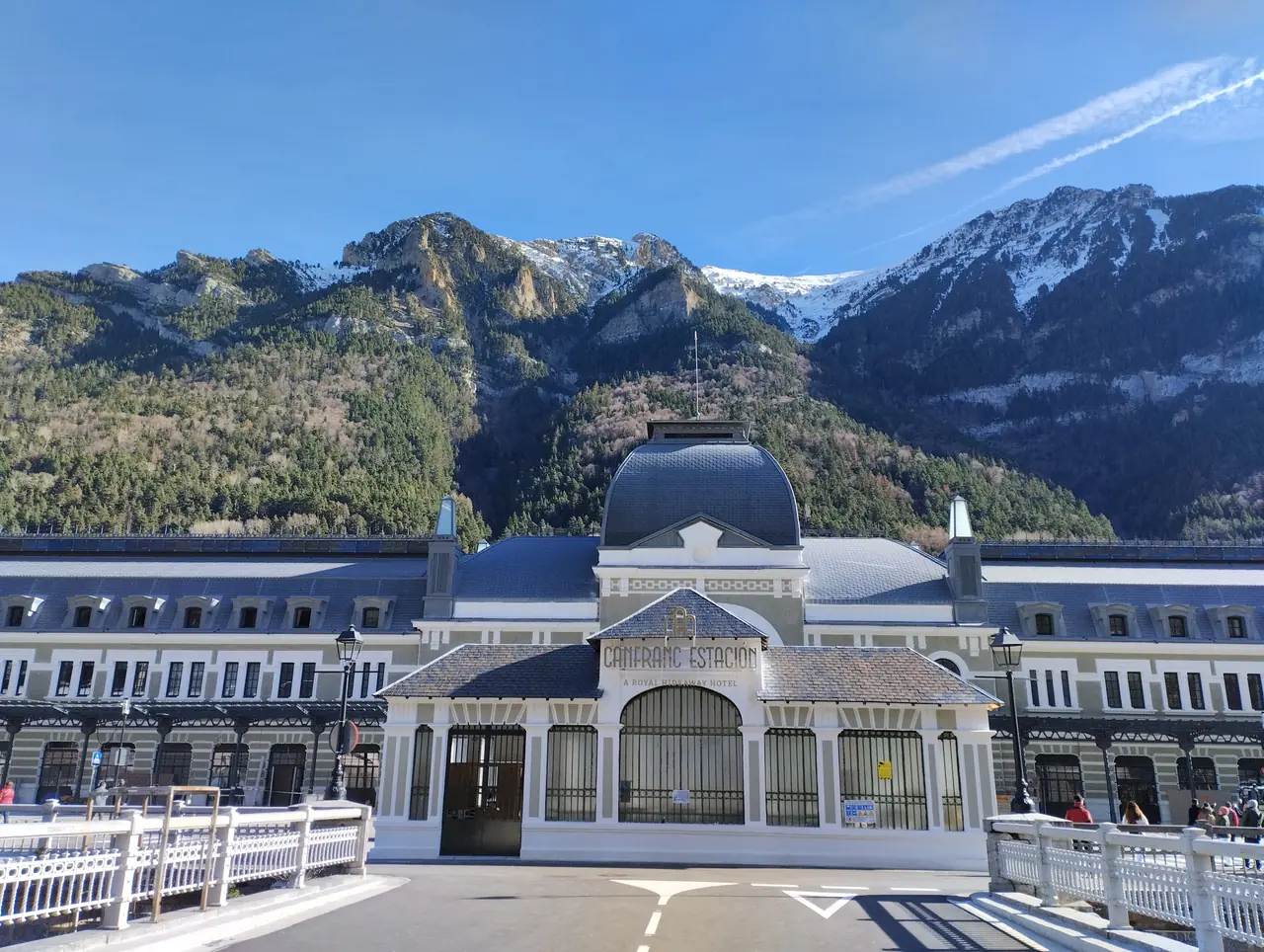
The works to rehabilitate the old building, build the new station and lay new tracks had a budget of 27 million euros S4. The historic building reopened in January 2023 as a five-star hotel, Canfranc Estación, a Royal Hideaway Hotel, run by the Barceló group S8. The reform was financed by the Government of Aragon, the owner of the building, and the hotel group S9.
The restoration was carried out by the studio Ilmiodesign S8. The hotel has 104 rooms, and it has since been named the best mountain hotel in the world at the World Luxury Awards S3. Old railway carriages were converted into restaurants as part of the project S8.

Visiting Canfranc
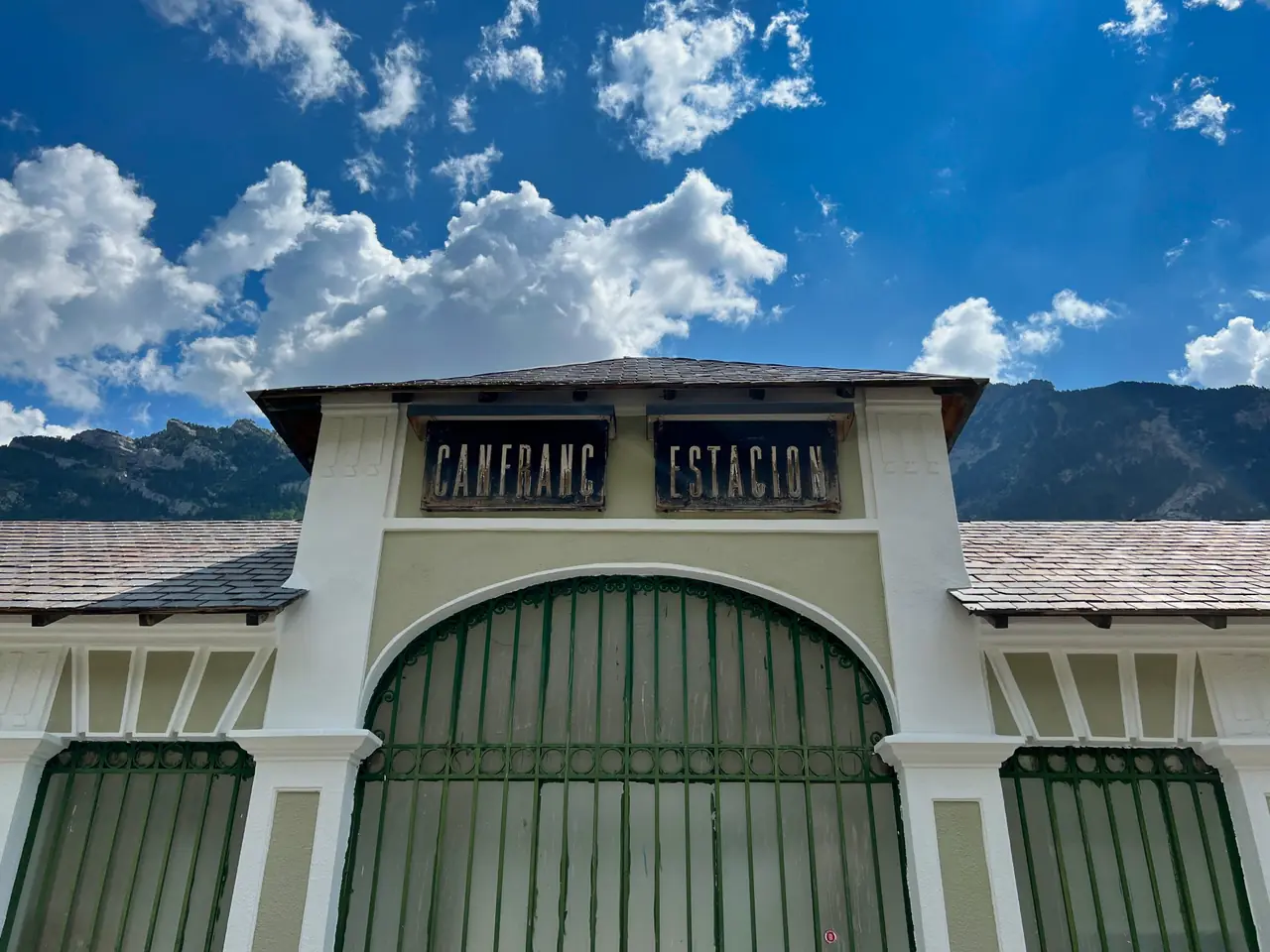
The old station hall can still be seen, and the building’s monumental facade dominates the valley. Next to it, the new station keeps the railway alive with services from Zaragoza and Jaca. Guided tours explain the history of the building and its role in the war.
The village organises an annual re-enactment of the 1928 inauguration every 18 July, with period costumes. Visitors can combine the station with walks in the surrounding forests that were planted to stop the avalanches. The Somport pass and the French valley of Aspe lie just across the border.
Canfranc remains a symbol of the dream of a railway across the Pyrenees. Many in Aragon still hope that one day trains will once again cross the border through the Somport tunnel. Until then, the station remains a monument to what the railway once promised.

Frequently asked questions
When did Canfranc station open?
It was formally opened on 18 July 1928 by King Alfonso XIII and President Gaston Doumergue S1.
Why is the station so big?
It duplicated services for Spain and France, from customs to post offices S6.
What happened at Canfranc during the Second World War?
Why did the international line close?
Sources
- S1 Wikipedia: Canfranc International railway station.
- S2 La Nación: The station where Jews took refuge and the Nazis kept 86 tonnes of gold.
- S3 Vozpópuli: The best mountain hotel in the world.
- S4 eldiario.es: Canfranc, from public heritage to luxury hotel.
- S5 Barceló travel guide: Canfranc station.
- S6 Barceló travel guide: Canfranc International station.
- S7 Ruta del Pirineo aragonés (PDF).
- S8 La Nación (Costa Rica): The abandoned station reborn as a hotel.
- S9 El Independiente: Canfranc, the trans-Pyrenean station turned luxury hotel.
- S10 Wikipedia: Canfranc.
More in Spain
 UNESCO WH